


Popular articles


Valladolid Mexico Deserves More Than a Day Trip in 2026
 DestinationsValladolid Mexico Deserves More Than a Day Trip in 2026
DestinationsValladolid Mexico Deserves More Than a Day Trip in 2026
Valladolid Mexico Deserves More Than a Day Trip in 2026
Article content

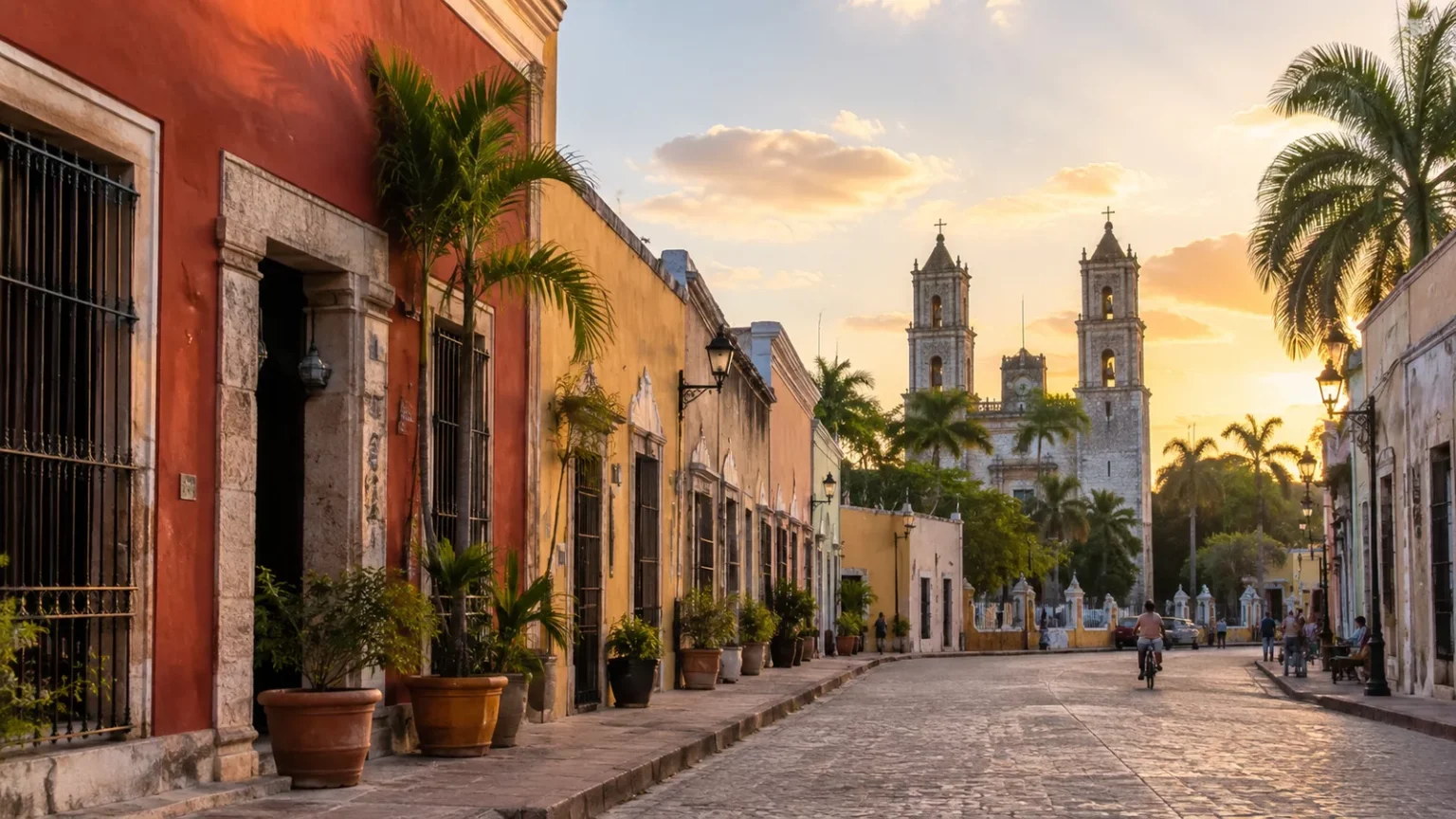
Valladolid, Mexico works best when it is treated as a destination rather than a lunch stop between the Caribbean coast and Chichén Itzá. The historic center is compact, several major sights are walkable, Cenote Zací sits inside the city, and some of eastern Yucatán’s most important archaeological sites are close enough for straightforward day trips. Two nights in Valladolid will suit most first-time visitors, while three nights make sense if the city will be a base for cenotes, Chichén Itzá and Ek Balam. That balance between an easy city stay and access to the wider region is what makes Valladolid particularly useful in a Yucatán itinerary.
Valladolid sits roughly halfway between Mérida and Cancún, with both cities around 160 km away. Chichén Itzá is approximately 45 km from Valladolid and Ek Balam about 30 km away, while the city itself is one of Yucatán’s designated Pueblos Mágicos. This means travelers can spend one part of the day walking through colonial streets and another swimming in a cenote or exploring Maya history without constantly changing hotels.
Valladolid Mexico at a glance
Valladolid is a small, walkable inland city that works especially well for a one-to-three-night stay. Centro is the easiest base for first-time visitors, while the Calzada de los Frailes and Sisal area suit travelers who prefer a quieter setting with historic character. A car is not necessary for the city center, but it becomes useful if several cenotes and archaeological sites are planned in the same trip.
| Question | Practical answer |
|---|---|
| Where is Valladolid? | In eastern Yucatán, between Mérida and Cancún |
| How long should you stay? | 2 nights for most first trips, 3 nights for a regional base |
| Is Valladolid walkable? | Yes, especially Centro, Sisal and Calzada de los Frailes |
| Best area to stay | Centro for convenience; Sisal or Calzada de los Frailes for atmosphere |
| Main city attractions | Central plaza, San Servacio, Calzada de los Frailes, San Bernardino convent and Cenote Zací |
| Best nearby ruins | Chichén Itzá and Ek Balam |
| Do you need a rental car? | No for central Valladolid; useful for flexible cenote and ruin trips |
| Can you reach Valladolid by train? | Yes, Valladolid has a Tren Maya station |
| Best season for comfortable walking | Generally November through February |
| Local food to try | Longaniza de Valladolid, lomitos, escabeche oriental, panuchos and salbutes |
The main advantage of Valladolid is efficiency. A well-planned stay can combine city sightseeing, food, swimming and archaeology without turning every day into a long transfer.
Is Valladolid Mexico worth visiting?
Yes, Valladolid is worth visiting if the trip includes cenotes, Maya archaeology, regional food or an inland Yucatán road trip. It has enough to justify an overnight stay even without Chichén Itzá, and its location makes several major excursions easier to organize. Travelers looking mainly for beaches and nightlife may prefer a shorter visit, but anyone interested in history, food and slower city exploration can comfortably fill two or three days.
The center feels manageable because the main landmarks are not scattered across a huge urban area. The Church of San Servacio faces the central park, Calzada de los Frailes leads toward the former Convent of San Bernardino de Siena, and Cenote Zací is inside Valladolid rather than far outside town. Yucatán’s official tourism portal specifically highlights these historic streets, markets, churches and cenotes as core parts of the Valladolid experience.
Valladolid also solves a practical problem in many Yucatán itineraries. Instead of visiting Chichén Itzá on a very long out-and-back excursion from the coast, travelers can sleep in Valladolid, start earlier and still return with time for dinner or an evening walk. That makes the city useful even for travelers whose main reason for coming inland is archaeology.
The best things to do in Valladolid Mexico
The best things to do in Valladolid combine the historic center, Calzada de los Frailes, San Bernardino de Siena, local food and at least one cenote. Most central sights can be explored on foot, so there is little benefit in rushing from attraction to attraction. A better plan is to divide the day between early-morning walking, a shaded or water-based midday stop and another walk later in the afternoon.
Start at Parque Principal Francisco Cantón Rosado
The central plaza is the easiest starting point for a first day in Valladolid. It places visitors beside the Church of San Servacio and within a short walk of restaurants, cafés, shops and several historic streets. The square is useful not because it requires hours of sightseeing, but because Valladolid naturally spreads outward from it.
Morning is usually more comfortable for walking, especially during hotter months. Return after sunset and the same area feels different, with more people lingering around the park and restaurants filling for dinner. Staying within walking distance of the plaza also simplifies evenings because there is little need to organize transportation.
Walk Calzada de los Frailes
Calzada de los Frailes is Valladolid’s signature historic walk and should be explored on foot. The street runs toward the Sisal neighborhood and the former Convent of San Bernardino de Siena, passing colorful façades, small shops, cafés and restored buildings along the way. It is short enough to fit naturally into a city day but interesting enough not to feel like a simple route from one attraction to another.
The best experience comes from treating the Calzada as part of the day rather than as one photo stop. Walk it once in the morning if quiet streets matter, then consider returning toward late afternoon when the harshest light and heat have eased. Comfortable shoes are useful because older pavements and uneven sections are part of the historic setting.
Visit the former Convent of San Bernardino de Siena
The former Convent of San Bernardino de Siena is one of the most important historic landmarks in Valladolid. It anchors the Sisal end of Calzada de los Frailes and adds a deeper historical layer to a city often photographed mainly for its colorful façades. The complex is one of the Valladolid landmarks highlighted by both regional and local tourism authorities.
Do not schedule the convent as a five-minute turnaround point. The surrounding Sisal neighborhood deserves extra time, particularly if the center around the main plaza feels busy. Local cultural programming can also change through the year, so current evening events are best checked shortly before the visit.
Swim at Cenote Zací without leaving Valladolid
Cenote Zací is the simplest cenote to include in a Valladolid itinerary because it is inside the city. Travelers do not need to dedicate a half-day to transportation, which makes it especially useful during a one-day visit or when arriving in Valladolid around midday.
The experience is also a good introduction to the geology that shapes travel throughout the Yucatán Peninsula. Instead of seeing cenotes only as isolated swimming attractions, Valladolid makes it possible to encounter one within an urban setting and then compare it with more enclosed cenotes outside the city. Opening conditions and swimming access can change, so current entry rules should always be checked on the day of the visit.
Visit Valladolid’s traditional market
The traditional market is one of the easiest places to add local food to a Valladolid morning. Yucatán’s tourism authority highlights panuchos, salbutes, tamales, cochinita and smoked Valladolid longaniza among the foods available there, alongside regional produce, spices and crafts.
Go earlier in the day when food stalls and fresh produce are more active. The market is a better fit for breakfast or an early lunch than for a late dinner plan. It also gives visitors a useful contrast to restaurants concentrated around the main square.
Which cenotes near Valladolid should you visit?
Choose Valladolid cenotes by location and the rest of the day’s route rather than trying to visit as many as possible. Zací is best for convenience, Suytun for its dramatic cave setting, X’Kekén and Samulá for an underground cenote outing, X’Canché for an Ek Balam day and Ik Kil for a route built around Chichén Itzá.
| Cenote | Best for | Best way to combine it |
|---|---|---|
| Cenote Zací | Convenience without a car | Valladolid city day |
| Suytun | Dramatic underground scenery | Half-day from Valladolid |
| X’Kekén | Cave swimming | Combine with Samulá |
| Samulá | Underground cenote experience | Combine with X’Kekén |
| X’Canché | Ruins plus swimming | Ek Balam day |
| Ik Kil | Easy archaeological pairing | Chichén Itzá day |
| Oxmán | A slower cenote outing | Half-day or flexible driving itinerary |
Trying to fit four or five cenotes into one day usually adds more changing, waiting and transportation than actual swimming. Two well-chosen Valladolid cenotes will usually create a better day than a rushed checklist of five.
Is Suytun worth visiting?
Suytun makes sense for travelers who specifically want a visually dramatic cave cenote. It is frequently included in Valladolid routes because of the opening above the water and the stone platform associated with the cenote’s most recognizable view. The atmosphere varies strongly with light, crowds and weather, so the experience should not be planned around recreating one exact photograph.
If swimming time matters more than photography, compare Suytun with other cenotes around Valladolid before deciding. Cenotes have different rules on life jackets, photography, lockers and swimming areas, and these conditions can change.
X’Kekén or Samulá?
X’Kekén and Samulá work well together because they offer a cave-cenote experience within the same broader outing. Travelers with limited time can choose one, while those specifically interested in cenotes can comfortably make both part of a half-day.
The decision does not need to come down to which cenote is objectively “better.” Light conditions, water levels, crowd patterns and personal preference can make two visits on the same day feel very different. Leave enough time to swim rather than treating each cenote as a quick photo stop.
Chichén Itzá from Valladolid is one of the easiest day trips
Valladolid is one of the most practical bases for visiting Chichén Itzá because the archaeological site is only about 45 km away. Staying nearby makes an early start far easier than traveling from Cancún or another coastal resort on the same morning.
Chichén Itzá currently opens daily, with the official INAH visitor information listing regular access from 8:00 a.m. and an earlier final admission than the site’s full closing time. Admission involves an INAH charge plus an additional Yucatán state fee, so visitors should confirm the current total rather than relying on an old screenshot or travel post.
An early departure from Valladolid is useful for more than avoiding crowds. Temperatures become harder to manage as the day progresses, and large open sections of the archaeological zone provide limited shade. Bring water, sun protection and comfortable shoes, and allow enough time to see more than El Castillo.
A Valladolid-to-Chichén Itzá day does not have to end at the ruins. A nearby cenote can be added afterward, or the afternoon can be kept free for a slow return to Valladolid. Avoid stacking Chichén Itzá, multiple cenotes and another archaeological site into the same day unless the goal is simply to pass through them.
Ek Balam is the quieter archaeological add-on
Ek Balam is an excellent second archaeological trip from Valladolid and sits about 30 km from the city. It works particularly well for travelers staying three nights because it creates a very different day from Chichén Itzá without requiring another hotel change.
The most practical combination is Ek Balam plus a nearby cenote rather than Ek Balam plus another distant major attraction. This keeps transportation manageable and leaves enough time to actually explore the site. Travelers interested in Maya history may find that splitting Chichén Itzá and Ek Balam across separate days makes both visits more rewarding.
How many days do you need in Valladolid Mexico?
Two nights in Valladolid are enough for the city plus one major excursion, while three nights provide a more comfortable pace. A single day is possible, but it forces a choice between exploring Valladolid properly and using it mainly as a base for nearby attractions.
One day in Valladolid
With one day, stay focused on Valladolid itself. The city can be explored efficiently without trying to squeeze Chichén Itzá into the same schedule.
A practical one-day plan looks like this:
- Start at the main plaza and Church of San Servacio.
- Walk Calzada de los Frailes toward the Sisal neighborhood.
- Visit the former Convent of San Bernardino de Siena.
- Have lunch built around regional Yucatecan food.
- Swim at Cenote Zací or choose another relaxed afternoon stop.
- Return to Centro for an evening walk and dinner.
This itinerary keeps transportation to a minimum and gives Valladolid enough space to feel like a destination rather than a transfer stop.
Two days in Valladolid
Two days are ideal for a first Valladolid trip because one day can stay local and the second can focus on Chichén Itzá. Spend the first day walking Centro, Calzada de los Frailes, Sisal and Cenote Zací. Leave early for Chichén Itzá on the second morning, then add one cenote or return to Valladolid for a slower afternoon.
This format also works well for travelers moving between Mérida and the Caribbean coast. The Valladolid stay becomes a natural break in the route instead of an extra detour.
Three days in Valladolid
Three days allow Valladolid to work as a proper regional base. The extra day can be used for Ek Balam, another cenote route, a village visit or simply a less compressed schedule.
A balanced three-day plan is:
- Day 1 – Explore Valladolid, Calzada de los Frailes, the convent, the market and Cenote Zací.
- Day 2 – Visit Chichén Itzá and one nearby cenote.
- Day 3 – Visit Ek Balam and X’Canché, or build a slower cenote-focused day.
Three days are particularly useful for travelers without a car because public transport and taxis leave less room for last-minute route changes.
Where to stay in Valladolid Mexico
Centro is the most convenient area for a first visit, while Calzada de los Frailes and Sisal offer more atmosphere and a quieter feel. Valladolid is compact enough that choosing the right neighborhood is more important than finding a hotel beside every individual attraction.
| Area | Best for | Main advantage |
|---|---|---|
| Centro | First visits and short stays | Easy access to the plaza, restaurants and transport |
| Calzada de los Frailes | Couples and design-focused stays | Historic setting and walkable cafés and shops |
| Sisal | Slower stays | Close to San Bernardino with a calmer neighborhood feel |
| Candelaria | Travelers who want a local neighborhood atmosphere | Walkable access without staying directly on the busiest central streets |
Centro
Centro is the safest choice for travelers who want everything simple. It keeps the main square, restaurants and most central sights within walking distance and works particularly well for one- or two-night stays. It is also convenient when arriving without a rental car.
The trade-off is activity. Rooms directly beside busy streets or the main plaza may feel livelier than properties a few blocks away. Check recent accommodation reviews for noise rather than assuming every central hotel feels the same.
Calzada de los Frailes and Sisal
The Calzada de los Frailes and Sisal area is better for travelers who value atmosphere over maximum transport convenience. The historic street, colorful architecture and proximity to San Bernardino create a strong sense of place without putting visitors far from Centro.
This part of Valladolid suits a slower two- or three-night stay especially well. Walking back toward the main plaza remains easy, but evenings can feel less centered on the busiest blocks.
How to get to Valladolid Mexico
Valladolid can be reached by road, long-distance bus and Tren Maya. Its position between Mérida and Cancún makes it easy to add to a wider Yucatán route instead of planning a separate return journey.
From Cancún
Cancún and Valladolid are roughly 160 km apart. Buses, driving and Tren Maya can all work depending on the rest of the itinerary. Travelers arriving directly from Cancún International Airport should compare the full door-to-door journey rather than choosing transport only by the headline travel time.
A rental car becomes more useful if the Valladolid stay includes multiple cenotes, Ek Balam and smaller communities. If the plan is mainly Centro plus Chichén Itzá, a car is optional rather than essential.
From Mérida
Mérida is also approximately 160 km from Valladolid. This makes Valladolid a natural stop when traveling east across Yucatán toward Cancún, Playa del Carmen or the Riviera Maya.
Bus travel is simple for travelers who do not need a car once they arrive. Drivers gain more flexibility for cenotes and smaller archaeological sites along the wider route, but parking and vehicle costs need to be weighed against that convenience.
By Tren Maya
Valladolid has a Tren Maya station, making rail another option for reaching the city and connecting it with other parts of the peninsula. The official Tren Maya network lists Valladolid on the route that also connects with Chichén Itzá, Nuevo Xcán and Cancún.
Schedules and ticket availability are operational details that can change, so they should be checked directly before travel. Also factor in the transfer between the rail station and the final accommodation rather than comparing only train time with bus time.
How to get around Valladolid
Walking is the best way to explore central Valladolid. The main plaza, Calzada de los Frailes, San Bernardino and many restaurants can be combined without a car. Heat, uneven pavements and afternoon rain can still make short distances feel longer, so a midday taxi can sometimes be more useful than forcing every trip on foot.
Taxis are helpful for cenotes outside town and for travelers carrying luggage. For a full day involving several sites, compare the cost and convenience of waiting taxis, arranged transfers and a rental car before leaving. Cycling can also work for confident riders, but traffic, heat and road conditions should be considered.
The best time to visit Valladolid Mexico
November through February is generally the easiest period for walking around Valladolid because conditions are typically cooler and drier. Valladolid’s official visitor guide identifies these months as the most comfortable period for walking and photography.
March through May can feel considerably hotter, especially in the middle of the day. From roughly June into the fall, showers and higher humidity become a larger part of trip planning. That does not make Valladolid unusable during the wetter part of the year, but schedules work better when they include flexibility.
September and October can be especially useful months for travelers who do not mind changing weather, but outdoor plans should never depend on a perfectly dry afternoon. Cenote conditions, road travel and regional storms can all affect the day, so check forecasts close to departure.
What to eat in Valladolid Mexico
Longaniza de Valladolid is the city’s signature food, but it should not be the only regional dish on the table. Local specialties also include lomitos, escabeche oriental and traditional Yucatecan foods such as cochinita pibil, panuchos, salbutes and tamales. Yucatán’s tourism authority specifically identifies longaniza, lomitos and escabeche oriental among the foods associated with Valladolid.
Longaniza de Valladolid is a smoked sausage traditionally served in several forms, including with eggs, tacos, beans, pickled onion or chile. For breakfast, the traditional market is a useful place to look beyond restaurant menus around the main square.
A good Valladolid food day does not need to revolve around one famous restaurant. Start with a market breakfast, choose a local dish for lunch and leave dinner open for whichever neighborhood is being explored that evening. This gives the trip more variety and avoids repeatedly returning to the same tourist-heavy blocks.
How much should you budget for Valladolid?
The biggest Valladolid expenses are usually accommodation, archaeological admission, cenote entry and transport outside the center. Walking through Centro costs nothing, so travelers who stay centrally and choose only one major day trip can keep local transportation relatively limited.
Exact daily budgets date quickly because room rates, attraction fees and transport prices vary by season and booking date. A more reliable approach is to divide costs into four groups before booking.
| Cost | What changes the price most |
|---|---|
| Accommodation | Season, location, pool, boutique features and booking date |
| Food | Market stalls versus central restaurants |
| Cenotes | Individual entry fees, lockers, equipment and transport |
| Archaeological sites | Official admission plus applicable state charges |
| Local transport | Walking versus taxis, private drivers or rental car |
| Intercity travel | Bus, Tren Maya or rental vehicle |
You may also be interested in our article: 7 Best Things to Do in Broken Hill: Outback Adventures
Carry Mexican pesos rather than depending entirely on cards. Smaller food businesses, market purchases, taxis and some rural stops can be easier with cash. Keep small notes available instead of expecting every vendor to break a large bill.
Is Valladolid Mexico safe?
Valladolid is in Yucatán state, which currently has the lowest U.S. State Department advisory category for Mexico: Level 1, “Exercise normal precautions.” The broader country advisory is higher, and conditions vary significantly by state, so Valladolid should not be treated as representative of every destination in Mexico.
Normal city precautions still matter. Keep valuables discreet, use established transport, avoid walking unfamiliar quiet streets late at night, and confirm routes before setting out to remote cenotes or archaeological areas. Travelers driving should plan longer rural journeys during daylight where practical.
Safety guidance can change faster than an evergreen travel article. Check current government travel advice shortly before departure, especially if the route extends beyond Yucatán into other Mexican states.
7 mistakes that can make a Valladolid trip feel rushed
The most common Valladolid mistakes come from treating the city as a checklist instead of building the itinerary around distance, heat and realistic travel time. Avoiding a few simple planning errors can turn the same two-night stay into a much easier trip.
- Visiting Valladolid only between two long transfers. A few hours rarely leave enough time for the city, food and a cenote without rushing.
- Planning Chichén Itzá in the middle of the day. An earlier visit is usually more comfortable for an exposed archaeological site.
- Booking too many cenotes in one day. Swimming, changing, transport and waiting take longer than maps suggest.
- Staying far outside Centro without a transport plan. Lower room rates are less useful if every meal requires a taxi.
- Ignoring midday heat. Put the longest walks earlier or later and use the hottest hours for food, rest or swimming.
- Relying entirely on cards. Cash remains useful for markets, taxis and smaller businesses.
- Treating Valladolid as only a Chichén Itzá base. The market, Calzada de los Frailes, local food, neighborhoods and Cenote Zací deserve their own time.
The simplest fix is to leave empty space in the schedule. Valladolid rewards a trip with fewer stops and more time at each one.
Where to go after Valladolid Mexico
Valladolid connects naturally with Mérida, Cancún, the Riviera Maya and longer routes toward the Mexican Caribbean. The right next stop depends on whether the trip needs more history, beaches or another inland destination.
Mérida works well for travelers continuing deeper into Yucatán, while the Caribbean coast is the obvious contrast after several inland days. Travelers moving farther south toward the coast can also use LitiTravels’ guide to things to do in Costa Maya for ideas built around Maya sites, water activities and the Caribbean shoreline.
There is no need to turn Valladolid into a long stay simply because it is well located. Two or three nights are enough to get the main benefit of the city while keeping the wider Yucatán itinerary moving.
Is Valladolid Mexico the right stop for your Yucatán trip?
Valladolid is one of the easiest places to add when a Yucatán itinerary needs both cultural depth and practical geography. The city is compact enough for a short stay, yet close enough to Chichén Itzá, Ek Balam and multiple cenotes to work as a genuine base rather than a decorative overnight stop.
For most travelers, the strongest plan is simple: spend the first day exploring Valladolid itself, use the next morning for Chichén Itzá, and add a third day only if Ek Balam, extra cenotes or a slower pace matter. That keeps the trip varied without creating another exhausting itinerary.
The key is not to see everything around Valladolid. It is to use Valladolid to see the right things with less travel and more time to enjoy them.
FAQ about Valladolid Mexico
How many days do you need in Valladolid Mexico?
Two nights are enough for most first-time visitors. That allows one day for central Valladolid and another for Chichén Itzá or a cenote trip. Three nights are better if Ek Balam is also a priority.
Is Valladolid Mexico worth staying overnight?
Yes. Staying overnight makes it easier to explore the historic center after day-trippers leave and provides an earlier start for nearby archaeological sites.
What is Valladolid Mexico known for?
Valladolid is known for its colonial center, Calzada de los Frailes, San Bernardino de Siena, Cenote Zací, regional Yucatecan food and proximity to Chichén Itzá and Ek Balam.
Can you walk around Valladolid Mexico?
Yes, the historic center is very walkable. A car or taxi becomes more useful for cenotes and attractions outside Valladolid.
Do you need a car in Valladolid?
No, not for the city itself. A rental car is most useful when the itinerary includes several cenotes, Ek Balam or smaller destinations outside Valladolid.
Is Valladolid close to Chichén Itzá?
Yes. Valladolid is about 45 km from Chichén Itzá. This is one of the main reasons the city works so well as an overnight base.
What is the best cenote in Valladolid Mexico?
There is no single best cenote for every trip. Zací is easiest without transport, Suytun suits travelers interested in its cave setting, and X’Canché fits naturally with an Ek Balam day.
What food should you try in Valladolid?
Start with longaniza de Valladolid, lomitos and escabeche oriental. Panuchos, salbutes, cochinita pibil and regional tamales are also easy to find.
What is the best time to visit Valladolid Mexico?
November through February generally offer more comfortable conditions for walking. Travelers visiting during hotter months should plan long walks for mornings and late afternoons.
Can you take Tren Maya to Valladolid?
Yes. Valladolid is part of the Tren Maya network. Check the current timetable and station transfer options before the travel date because operational schedules can change.
things to do in Edinburgh


Author of LitiTravels Portal


Articles by the author:
All articles by author


Iceland is known for its natural beauty, and one of the best ways to experience it is by taking a trip from Reykjavik to the Golden Circle. This popular route takes you through some of Iceland’s most famous sites, from powerful...
 June 17, 2026
 361
361

Looking for the right beach hotel in Greece? Here’s an honest review of Alboro Seaside Suites. When travelers imagine Greece, they often picture whitewashed buildings, crowded beaches, and busy promenades. But there are still p...
September 21, 2025
462

Broken Hill is one of those singular places out in the Aussie outback, oozing with history, ripe with artistic expression, and raw, rough appeal. Whether your interest is in mine museums, absorbing local culture, or wide-open s...
 May 28, 2025
389
May 28, 2025
389

The historic Parisian quarter of Montmartre is associated with a strong affinity for art and cultural backgrounds. This is the area where famous artists such as Picasso and Monet used to reside and work. Here, you may find art ...
May 26, 2025
445
Subscribe to “lititravels” on Telegram for gaming intel.
No filler, no fuss—just your daily XP boost. Hop in and level up, squad!



Read also
Iceland is known for its natural beauty, and one of the best ways to experience it is by taking a trip from Reykjavik to the Golden Circle. This popular route takes you through some of Iceland’s most famous sites, from powerful...
June 17, 2026
361
Broken Hill is one of those singular places out in the Aussie outback, oozing with history, ripe with artistic expression, and raw, rough appeal. Whether your interest is in mine museums, absorbing local culture, or wide-open s...
May 28, 2025
389

Travellers who are planning to visit a popular cruise port in the Western Caribbean have a lot of locations to add to their list of things to do in Costa Maya. From viewing ancient Mayan ruins to diving into the turquoise Carib...
May 24, 2025
430

Choosing the best country to go in Europe is a difficult task due to the large variety of its landscapes, the diversity of its climates, and its history. The European continent has more than 50 countries and it is not easy to m...
April 18, 2025
396

Auckland is a great spot to kick off your New Zealand trip. It’s packed with cool stuff to do, including buzzing city vibes and chilled-out nature spots. You’ll find beaches, parks, museums, and local markets – all in one...
March 30, 2025
358

Broken Bow, located in southeastern Oklahoma, is a hidden gem for anyone looking to escape into nature. Whether you’re seeking adventure, relaxation, or family fun, Broken Bow offers plenty of activities for every type of...
April 9, 2025
421

Feral Island is a captivating and untouched paradise, perfect for travelers who seek a getaway far from the typical tourist spots. With its remote location, breathtaking views, and abundance of wildlife, Feral Island offers an ...
March 25, 2025
646

Many adventurers wonder what to see in Madrid in 3 days when they travel across Europe. This city captures the essence of Spain and is the perfect destination to start your exploration of the country. Read this checklist for tr...
February 3, 2025
286
The list of the best coastlines in Italy is essential for travellers who want to sunbathe and take a lot of beautiful pics in a swimsuit. From the east to the west side of the coast, there are many locations to select from. Som...
January 14, 2025
318

Cooperation
Looking to shine a spotlight on your project? LitiTravels has you covered! We offer article-based promotion, manage branded blogs on our platform, drive engagement through our social media channels, and create content that delivers real results. Get in touch today and let’s make your brand stand out!
Subscribe to the monthly news digest from LitiTravels
The main news and updates from the team about gadgets, sports, cars, health, and lifestyle.
