Home DestinationsAmsterdam Light Festival 2026–2027: How to Experience the City After Dark
DestinationsAmsterdam Light Festival 2026–2027: How to Experience the City After Dark
Amsterdam Light Festival returns from November 26, 2026, through January 17, 2027, bringing approximately 20 illuminated artworks to the city's historic canals. The 15th edition turns parts of central Amsterdam into an outdoor art exhibition that visitors can experience on foot or from the water.
The best part is that seeing the installations doesn't require an expensive ticket. The artworks are displayed in public spaces and can be viewed for free. Visitors who want an organized route, explanations from the artists, or a comfortable canal cruise can choose paid experiences instead.
There is one detail worth understanding before planning an evening. The 2026–2027 edition has a new route, so photographs and maps from previous festivals cannot reliably tell visitors where this year's installations will appear. The official walking map becomes available in November, and cruise departures have their own boarding locations and reservation requirements.
This guide explains the confirmed dates, ticket costs, free viewing options, cruise differences, and practical winter arrangements, including how to combine the light festival with other activities in Amsterdam.
The 15th Amsterdam Light Festival runs for 53 consecutive evenings, beginning Thursday, November 26, 2026, and ending Sunday, January 17, 2027. The installations are scheduled to illuminate every evening, including Christmas and New Year's Eve, although December 31 has shorter operating hours.
The main details are straightforward, but the distinction between free access and paid experiences is important.
|
Festival information |
Confirmed details |
|
Festival dates |
November 26, 2026 – January 17, 2027 |
|
Edition |
15th |
|
Number of artworks |
Approximately 20 |
|
Regular illumination hours |
4:30 p.m. – 11:00 p.m. daily |
|
New Year's Eve |
Lights off at 9:00 p.m. |
|
Public viewing |
Free |
|
Official walking route |
Approximately 4.5 km (2.8 miles) |
|
Walking time |
Approximately 90 minutes, excluding longer stops |
|
Light Walk in the festival app |
€7.99 |
|
Canal cruises |
Advertised options from approximately €29.75 |
|
Typical cruise duration |
Approximately 75 minutes; some take 90 |
|
Main areas for starting a visit |
Waterlooplein, Amstel 1, and designated cruise boarding points |
|
Official walking map |
Available for purchase in the app from November 24 |
The dates and operating hours come from the festival's published schedule. Cruise prices depend on the operator, boat type, selected date, and ticket conditions, so the advertised starting price should not be treated as a guaranteed fare for every departure.
Visitors can enjoy the publicly accessible light art without purchasing a walking pass or canal cruise. The paid options primarily add navigation, interpretation, transportation, or onboard comfort.
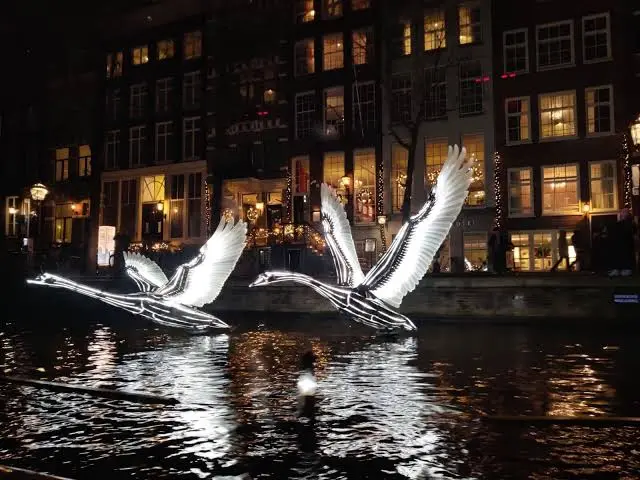
Amsterdam Light Festival is an annual outdoor exhibition featuring light-based artworks created by artists from the Netherlands and other countries. Installations are placed along, beside, above, or within Amsterdam's canals, using the historic city as part of the artistic setting.
The 2026–2027 event marks the festival's 15th edition. For this anniversary, participating artists were invited to share what they want to communicate to Amsterdam and its residents, with a new collection of works and a redesigned route.
The full artwork descriptions and individual locations are being released through the festival's official visitor information. A single conventional theme had not been fully detailed in the initial edition announcement, so it is worth distinguishing this anniversary concept from the specific themes of previous years.
Visitors can expect approximately 20 light artworks integrated into the city's waterways and surrounding public spaces. Some may be large installations visible from a distance, while others can require a closer look or a specific viewing angle.
The surroundings matter almost as much as the sculptures. Amsterdam's bridges, narrow canal houses, moored boats, and water reflections create a constantly changing backdrop for the art.
An installation positioned above a canal may look very different from the opposite bank. Similarly, an artwork designed to interact with water may be especially interesting from a boat, even when it is visible from the street.
This is why walking and cruising offer genuinely different experiences rather than simply two prices for the same attraction.
Yes. The light artworks are free to view from public areas, and visitors do not need a general admission ticket to attend the festival. Paying becomes optional when choosing the official route map, artwork explanations, a guided experience, or a canal cruise.
The festival is organized by an independent nonprofit foundation, which uses income from visitor experiences and other funding to support the exhibition. Purchasing an official product therefore provides additional services while contributing to the event.
There is no requirement to buy something just to look at an installation from an accessible public sidewalk or bridge.
The simplest free approach is to explore the canal areas where installations are publicly visible during the scheduled illumination hours. Start at an established festival orientation point, such as Waterlooplein, and allow enough flexibility to follow accessible streets and waterfront paths.
The important limitation is navigation. The official festival app offers general information for free, but the complete artwork map, locations, and interpretation are part of its paid walking experience.
The organizers also caution that unofficial maps circulating online may be inaccurate. A saved map from last winter should not be used as a substitute for the 2026–2027 route.
For a genuinely free evening, use the following approach:
This plan provides an introduction rather than a guarantee of seeing all 20 artworks. Anyone who wants to find the complete exhibition efficiently will benefit from the official route map.
Amsterdam's public bridges and canal-side streets provide natural viewing points, particularly around the Amstel and historic center. Blauwbrug, the bridge near Waterlooplein, is a useful orientation landmark, while nearby streets offer attractive nighttime canal scenery.
The wider city also has numerous illuminated bridges and historic waterfront buildings worth photographing, even away from the exhibition. Those ordinary nighttime views should not be confused with confirmed installation sites, however.
The precise 2026–2027 artwork positions must be checked against the new official map. A familiar viewpoint is not automatically a guaranteed festival artwork location.
For travelers exploring Amsterdam on a small budget, the same approach can be applied to other European city breaks. Places with substantial free public attractions are especially useful when accommodation and restaurant costs are already high. For another practical example, the best free things to do in Prague include historic streets, viewpoints, and public spaces that can be enjoyed without paying for every attraction.
The underlying budgeting principle is similar: choose a few paid experiences that genuinely add value, then build the rest of the itinerary around worthwhile free sights.
The official Amsterdam Light Festival walking route is approximately 4.5 kilometers (2.8 miles) and can be completed in around 90 minutes at a steady pace. For photography, artwork explanations, and winter breaks, two hours is a more comfortable allowance.
The walk follows the festival's new artwork locations along Amsterdam's canals. Visitors can complete the route in full or explore individual sections rather than walking the entire distance.
There is no mandatory first artwork. The organizers identify Amstel 1 and Waterlooplein as useful starting points, and visitors can begin elsewhere along the mapped route.
The complete walking map is available through the festival's official mobile app as a paid Light Walk experience. The 2026–2027 edition lists the Light Walk at €7.99.
The app itself can be downloaded for free, but purchasing the walking experience unlocks the detailed route and artwork information.
The paid Light Walk includes:
The 2026–2027 walking map is scheduled to become available for purchase on November 24. Unlike a short-duration map purchase, the route can be accessed throughout the festival period once unlocked.
No timed reservation is required for an independent Light Walk. Visitors can use the route whenever the installations are illuminated.
Yes. The artworks remain freely accessible in public space, even when visitors do not have the paid map or audio guide.
The disadvantage is that the installations do not have full informational displays beside them. Without the official route, it is easier to miss works or misunderstand what an artist intended.
A traveler who primarily wants photographs and a pleasant nighttime walk may not need the app. Someone interested in contemporary art, the complete route, and the stories behind individual pieces is more likely to find the €7.99 worthwhile.
Limited printed route maps are available through the festival's information points for visitors without access to a working smartphone. These are intended for people who cannot use the app rather than as an unlimited supply of free printed maps.
The walking distance is moderate, but winter conditions can make it more demanding than an ordinary summer city walk. The route passes through historic streets with uneven paving, narrow sidewalks, bridges, and potentially slippery surfaces.
Amsterdam is relatively flat, but some bridges have noticeable slopes. Pedestrian traffic and bicycle lanes also require attention, particularly when stopping to take photographs after dark.
Comfortable waterproof footwear is more useful than heavy hiking boots for most visitors. A warm coat and gloves make the experience significantly more pleasant, especially when spending time beside exposed canals.
A canal cruise is the most comfortable way to experience Amsterdam Light Festival for visitors who do not want to walk the full route. Official participating operators provide several boat types, ranging from heated sightseeing boats to open electric boats with live commentary.
A typical cruise lasts approximately 75 minutes, although some departures take up to 90 minutes depending on the operator's boarding location and canal traffic.
Prices vary by category and departure. Participating ticket listings advertise selected open-boat experiences from approximately €29.75 per adult, but the exact 2026–2027 fare should be confirmed for the chosen date before payment.
A heated canal boat is generally the more comfortable option in cold, windy, or rainy conditions. An open boat offers unobstructed views and a closer connection to the installations, but passengers are exposed to winter weather.
The comparison below highlights the practical differences.
|
Feature |
Heated canal boat |
Open boat |
|
Weather protection |
Covered, usually heated |
Open to the weather |
|
Artwork visibility |
Through windows and glass roof |
More direct views |
|
Typical duration |
Around 75 minutes |
Around 75 minutes |
|
Commentary |
Audio guide or live guide |
Usually live guide or skipper |
|
Photography |
Reflections on windows possible |
Easier unobstructed angles |
|
Seating |
Usually larger groups |
Often smaller groups |
|
Toilet |
Usually available |
Usually unavailable |
|
Best for |
Families, cold weather, comfort |
Photography, clear views, milder evenings |
|
Main drawback |
Window glare or condensation |
Wind, rain, and cold |
For most visitors in December or January, a covered and heated cruise is the safer choice for comfort. Those prioritizing photography may prefer an open boat if the weather forecast is favorable.
Blankets are generally provided on official open-boat experiences, but they do not eliminate wind exposure. Some operators may partially cover their boats during particularly cold conditions.
A cruise is worth considering when comfort, guided interpretation, and viewing the artwork from the water are more important than minimizing costs. It can also be especially useful for visitors who have already spent a long day sightseeing.
The water-level perspective changes how some installations appear. Reflections become more prominent, and artworks positioned over waterways can be easier to appreciate from beneath or alongside them.
However, not every traveler needs a cruise. Walking is more flexible, costs much less, and allows visitors to stop for photographs or revisit specific artworks.
A boat tour is also not equivalent to buying access to an otherwise closed exhibition. The artwork itself remains visible in public space.
Cruise products that appear similar in search results may have important differences. The cheapest departure is not necessarily the best choice if it boards far from the hotel or lacks sufficient weather protection.
Before purchasing, compare these details:
Official festival guidance asks passengers to arrive at the boarding location 15 minutes before departure. Some tickets permit changes until 24 hours before the scheduled cruise, subject to their conditions, but a different date or departure cannot simply be used without authorization.
An early-evening departure after darkness has settled is a practical choice for most visitors. The first departures begin around 4:30 p.m., and festival cruises are generally scheduled at approximately 30-minute intervals until 9:30 p.m., subject to individual operators.
The 5:30–7:30 p.m. period works well for combining a cruise with dinner or returning to a hotel at a reasonable hour. An earlier departure may provide more flexibility for families, while a later one can suit visitors who prefer a quieter evening schedule.
There is no universal guarantee that a particular departure will be less crowded. Seat availability, weather, holiday travel, and operator capacity all affect the experience.
The best choice depends on whether the priority is saving money, taking photographs, learning about the artworks, or staying comfortable in winter. A paid cruise does not automatically provide a better experience than walking, and the free option does not necessarily reveal the entire exhibition.
The following summary makes the trade-offs clearer.
|
Experience |
Starting cost per adult |
Time needed |
Main advantage |
|
Independent free viewing |
€0 |
30–90+ minutes |
No admission cost or fixed schedule |
|
Official Light Walk app
|
€7.99 |
90–120 minutes |
Complete route, GPS, artwork explanations |
|
Festival canal cruise |
About €29.75+ |
75–90 minutes |
Water-level views and less walking |
|
Combined walk and cruise |
About €37.74+ |
3–4 hours with a break |
Two different perspectives |
The combined figure assumes one €7.99 Light Walk purchase and a cruise ticket priced at €29.75. It excludes meals, transportation, and any booking charges.
For a couple, two cruise tickets at the advertised starting price would cost €59.50, compared with €15.98 for two individual Light Walk purchases.
That difference makes the walking experience attractive for budget travelers, particularly when the evening is mild and both visitors are comfortable navigating the city.
For families, however, comfort may outweigh ticket savings. A heated boat can be easier than covering several kilometers of wet streets with tired children.
Two hours is enough for a satisfying visit to Amsterdam Light Festival, particularly when focusing on a section of the route or completing the main walk without lengthy restaurant stops. The most useful starting areas are Waterlooplein and Amstel 1.
This itinerary is designed around confirmed orientation points rather than claiming that particular artworks will occupy specific bridges before the new map is available.
Start at Waterlooplein, which has a metro station and is within easy reach of the Amstel. It provides a convenient place to begin without traveling unnecessarily through the busiest tourist streets.
If using the festival app, open the official route and choose the nearest artwork. Check GPS positioning before walking so the first few minutes are spent heading toward the correct installation.
The lights come on at 4:30 p.m., but the atmosphere generally becomes more dramatic as the sky darkens.
Follow the official map if the goal is to see as many artworks as possible. Allow time to cross public bridges, change viewing angles, and pause at works that deserve a closer look.
The full 4.5-kilometer route normally takes around 90 minutes without extended stops. A shorter section is more realistic when time is limited or photography is the main activity.
Visitors following the free option can explore publicly visible works, but they should avoid relying on outdated route diagrams to locate the complete exhibition.
A café or casual restaurant near the route provides a convenient opportunity to warm up. Cold hands and wet shoes can reduce the enjoyment of a long evening walk, especially when temperatures are close to freezing.
Choose somewhere that is genuinely convenient rather than crossing the city for a particular restaurant. The festival is intended to be experienced at a relaxed pace, not as a timed competition.
End the visit at a public viewpoint along the mapped route or return toward Waterlooplein for transportation. This allows a final look at the illuminated waterways without committing to another major attraction.
Travelers who have booked a cruise can instead build the evening around the confirmed boarding time. In that case, arrive at the dock early and leave dinner until after the boat returns.
A daytime itinerary built around free attractions can make a winter Amsterdam trip much more affordable. The city has several museums, public spaces, and waterfront experiences that do not require expensive admission tickets.
These activities are separate from the festival and should be scheduled for daylight hours whenever appropriate.
The Amsterdam City Archives is one of the city's most useful free cultural stops. Located in the historic De Bazel building, it provides an introduction to Amsterdam's history and architecture.
The Treasury exhibition in the former bank vault is free to visit. Its historical records and displays add context to the city's development without requiring a full-price museum ticket.
This is a worthwhile indoor option for a cold or rainy afternoon, although opening hours should be checked separately from the light festival schedule.
The Rijksmuseum Gardens provide free access to outdoor sculptures and landscaped spaces surrounding one of Amsterdam's most famous museums. Garden admission is separate from the paid museum galleries.
The gardens are generally open during daytime hours, with some seasonal limitations or changes to particular displays. They work best as a short stop rather than an all-day attraction.
Visitors can combine the gardens with a walk through Museumplein before returning toward the historic center for the evening festival.
The public ferries crossing the IJ behind Amsterdam Central Station are free for pedestrians and cyclists. They provide a different waterfront perspective without requiring a paid sightseeing boat tour.
A ferry to Buiksloterweg is useful for exploring the area near the Eye Filmmuseum, while services toward NDSM Wharf provide access to former industrial spaces and street art.
These ferry routes are not substitutes for official Amsterdam Light Festival cruises. They do not follow the artwork circuit and should be treated as a separate free Amsterdam experience.
NDSM Wharf is a former shipyard in Amsterdam Noord that has developed into an area known for street art, creative spaces, and industrial architecture. Exploring the public outdoor spaces is free.
The area's murals and large-scale artwork provide a useful contrast with the temporary illuminated installations of Amsterdam Light Festival.
Visiting during daylight makes it easier to appreciate the details and scale of the art. A trip to NDSM can be combined with the free ferry and a return to the center before the lights switch on.
Public transportation is generally the easiest way to reach Amsterdam Light Festival. Amsterdam's metro, trams, buses, and trains connect the central city with major stations and surrounding neighborhoods.
Waterlooplein is particularly convenient for beginning a walking visit. Amsterdam Central Station is another practical orientation point, especially for travelers arriving by train or joining a cruise departing from the station area.
Amsterdam Central Station is a convenient starting point for visitors arriving from other Dutch cities or from Schiphol Airport. Many official cruise departures are located within walking distance of the station, though individual boarding locations differ.
For walking-route visitors, taking the metro toward Waterlooplein can reduce unnecessary travel on foot. The appropriate stop depends on the section of the festival route being visited.
Do not assume every light festival cruise boards at Amsterdam Central Station. Check the ticket confirmation for the correct quay and directions, especially when arriving shortly before departure.
Yes. Amsterdam's public transportation system supports contactless payment through OVpay on participating services, allowing travelers to check in and out with an eligible debit card, credit card, or mobile wallet.
The same payment method should generally be used for both check-in and check-out. A phone and the physical card linked to it can be treated as different payment devices, so switching between them may cause problems.
Travelers who expect to use several journeys should compare pay-as-you-go fares with the relevant day-ticket options. Walking most of the historic center may be cheaper than buying a transportation pass that will barely be used.
For a winter city break involving unfamiliar stations, offline navigation can be particularly useful. A well-prepared phone helps with platform changes, walking directions, and finding the correct hotel after dark. The guide to travel apps that make international trips easier covers useful tools for navigation and trip organization, including situations where mobile internet is unreliable.
Downloading a city map before departure is a simple way to avoid unnecessary confusion at the end of a cold evening.
Amsterdam Light Festival takes place in central Amsterdam rather than at the airport. Travelers can reach Amsterdam Central Station from Schiphol Airport by train in approximately 15–20 minutes, depending on the service.
The journey from the station to a particular artwork or boarding point will take additional time. Visitors arriving on an international flight should allow for baggage collection, immigration where applicable, train waiting time, and travel to the hotel.
Booking a narrowly timed evening cruise immediately after a flight creates unnecessary risk. A later departure or a flexible walking visit is more practical when arrival times are uncertain.
Yes. Amsterdam Light Festival is suitable for families, particularly when children enjoy illuminated art, unusual sculptures, and nighttime walks. The main planning challenges are cold weather, walking distance, and the late-evening schedule.
The outdoor installations provide visual interest without requiring children to spend several hours inside a museum. However, a complete 4.5-kilometer walk may be too long for younger visitors.
Yes. The festival offers a Kids Walk through its app, designed to make the installations more accessible to children.
The 2026–2027 experience includes child-friendly artwork explanations, questions, and a treasure-hunt element. The organizers suggest it particularly for children aged 7–12, although younger children can participate with adult assistance.
The Kids Walk can be completed in full or in sections. Its 2026–2027 price was not yet confirmed in the published walking information, so families should check the app rather than relying on a previous edition's fee.
A shorter walk is usually the better budget option, while a heated canal cruise may be easier for families with very young children or those visiting in poor weather.
Before booking a boat, check the age-based ticket rules, whether children can sit comfortably throughout the journey, and whether a stroller can be brought onboard.
Most cruise boats do not accommodate strollers in the passenger area, although some operators may provide storage arrangements at the dock.
Families should also check whether their chosen boat has a toilet. Larger enclosed canal boats commonly have one, while smaller open boats often do not.
The walking route can be accessible in principle, but Amsterdam's historic streets present obstacles that require planning. Uneven paving, bridge slopes, narrow sidewalks, and crowded viewing areas can make some sections more difficult.
A shorter route may be more practical than attempting the entire 4.5 kilometers. The festival's published guidance advises visitors with accessibility needs to consider the condition of historic bridges and streets.
Not every boat operator offers wheelchair-accessible boarding. Blue Boat Company has wheelchair-accessible boats on selected services, but visitors need to contact the company in advance to confirm suitable departure times and arrangements.
Accessibility should be verified for the exact boat rather than assuming that all vessels from a participating operator have identical facilities.
Warm, wind-resistant, and water-resistant clothing is the most practical choice for Amsterdam Light Festival. A temperature that seems manageable during the afternoon can feel considerably colder while standing beside a canal after dark.
Amsterdam's maritime climate brings variable winter weather, including rain, wind, and occasional freezing temperatures. The combination of damp air and standing still for photographs can be more uncomfortable than a short walk in similar conditions.
For most visitors, the following items are useful:
A bulky winter outfit is not always necessary, but exposed ankles, thin fashion shoes, and clothing that absorbs rain can make a two-hour walk unpleasant.
Open-boat passengers should dress more warmly than those joining heated cruises. Sitting still on the water can feel colder than walking at the same air temperature.
The best festival photographs combine illuminated artwork with the surrounding canals, bridges, or buildings. The goal is to preserve the contrast between the installation and the dark city without losing important details to overexposure.
A modern smartphone is capable of producing good results, particularly when using its dedicated night mode.
Start by stabilizing the phone or camera, then expose for the illuminated subject rather than the darkest area of the scene. Bright installations can lose their colors if the camera tries to make the entire night scene look like daylight.
Practical techniques include:
An open boat can provide excellent angles, but movement makes longer exposures harder. On a heated cruise, reflections from interior lights may appear on the windows, so photographing close to the glass can sometimes help.
The best locations depend on the artwork positions for the specific edition. Public bridges, waterfront paths, and canal-level viewing angles can all provide useful compositions.
Photographers should use the official 2026–2027 map to identify installations rather than planning entirely around images from previous festivals. Different artworks may require completely different vantage points.
Avoid stepping into bicycle lanes or onto the roadway for photographs. Amsterdam's cyclists travel quickly, and a visitor concentrating on a bright sculpture may not notice an approaching bike.
Early December and the first half of January can be practical periods for travelers who want to enjoy the festival without building the entire visit around Christmas and New Year's celebrations. Actual crowd levels vary with weekends, school vacations, weather, and special events.
Late November offers the chance to visit near the opening of the exhibition, while December provides a more festive city atmosphere. January can work especially well for travelers interested in winter museums and cafés alongside the nighttime installations.
Yes. The festival's regular illumination schedule covers the Christmas period, including December 25.
However, individual businesses, attractions, restaurants, and information points may have reduced hours or close completely. The festival's information points are scheduled to close on Christmas Day.
Travelers planning to combine the festival with museums or dinner reservations should check those venues independently.
Yes, but the lights switch off at 9:00 p.m. on December 31, earlier than the normal 11:00 p.m. closing time.
This is an important difference for travelers planning a late dinner or New Year's Eve celebration. A walk starting after 8:00 p.m. will provide relatively little time to experience the exhibition.
New Year's Eve also brings unusual transportation arrangements, crowds, and celebrations across Amsterdam. A dedicated festival visit on another evening may be more convenient.
Yes. The festival continues until January 17, 2027, making it possible to combine the exhibition with a winter city break after the busiest Christmas travel period.
January conditions can be cold, wet, and windy, so a heated canal cruise or a shorter walking route may be preferable to several hours outside.
The final evening is January 17, 2027. Travelers arriving later in the month will still find illuminated streets and canals, but the temporary festival artworks should not be assumed to remain in place.
Amsterdam offers enough indoor and outdoor activities to make a winter trip worthwhile even when the light festival occupies only one evening. Museums, historic neighborhoods, cafés, and waterfront architecture remain important parts of the city's appeal.
A balanced trip should combine the evening art route with one or two daytime experiences rather than scheduling every available attraction.
The Rijksmuseum, Van Gogh Museum, and Anne Frank House are among Amsterdam's most recognizable museums. They can complement an evening light festival visit, but admission and reservation requirements differ.
The Anne Frank House in particular uses timed tickets and advance booking arrangements, so it should not be treated as a spontaneous indoor option on a rainy afternoon.
For a free alternative, the Amsterdam City Archives offers historical exhibitions in an impressive building. Independent galleries and other smaller cultural spaces provide further choices, depending on their schedules.
Yes. Amsterdam can fit into a broader winter itinerary involving nearby Dutch cities or international rail destinations. Travelers should account for shorter daylight hours, seasonal opening times, and additional winter clothing when combining several destinations.
The festival itself needs only one evening, so a two- or three-night Amsterdam stay can include museums, neighborhoods, and a nighttime canal experience without an overly demanding schedule.
For a longer European winter vacation, a city break can also be paired with a contrasting wellness destination. The best thermal baths in Europe for winter offer a different type of cold-weather experience, from historic bathhouses to outdoor pools surrounded by Alpine scenery.
The practical difference is travel time. A nearby Dutch excursion may be possible in a day, while a thermal resort in another country should be treated as a separate stop rather than an easy afternoon trip from Amsterdam.
Most avoidable problems come from confusing previous editions with the current festival, booking the wrong type of canal cruise, or underestimating winter conditions. A little preparation makes the evening considerably more comfortable.
The main mistakes include:
The easiest improvement is to decide in advance whether the priority is free sightseeing, understanding the complete exhibition, or enjoying a comfortable evening cruise. That decision determines nearly every other practical choice.
A successful evening does not require complicated arrangements. Most visitors only need to select a date, choose how they want to see the artworks, and plan transportation and clothing around winter conditions.
Before heading out, confirm these details:
Amsterdam Light Festival is particularly rewarding because its main attraction belongs to the city rather than an enclosed venue. Historic bridges, dark waterways, illuminated artworks, and reflections form an exhibition that changes with the viewer's position.
For budget travelers, the free public viewing experience is worthwhile. For visitors who want the complete route and artistic context, the €7.99 Light Walk offers practical value. A heated canal cruise is the more comfortable choice when weather or mobility makes a long winter walk less appealing.
Amsterdam Light Festival takes place from November 26, 2026, to January 17, 2027. It is the festival's 15th edition, featuring approximately 20 light artworks along Amsterdam's canals.
The installations are scheduled to illuminate daily at 4:30 p.m. and remain on until 11:00 p.m. On December 31, the lights switch off at 9:00 p.m.
Yes. The artworks are displayed in public spaces and can be seen without paying admission. The official walking map, audio guide, canal cruises, and other organized experiences cost extra.
The 2026–2027 Light Walk costs €7.99 through the festival app. Participating canal cruise options advertise starting prices around €29.75 per adult, with actual fares varying by departure and product.
The route runs along Amsterdam's historic waterways and covers approximately 4.5 kilometers on foot. The exact artwork locations are available through the official festival map, scheduled for release on November 24.
Waterlooplein and Amstel 1 are recommended orientation points. However, there is no mandatory starting artwork, and visitors using the official map can join the route at a convenient location.
The complete 4.5-kilometer walking route takes approximately 90 minutes at a steady pace. Allow up to two hours or longer when taking photographs, listening to commentary, or stopping for refreshments.
Most cruises take approximately 75 minutes. Some operators have journeys lasting around 90 minutes because of their boarding locations or the distance required to reach the exhibition route.
A boat tour is worthwhile for visitors who want water-level views, guided commentary, and less walking. A heated canal boat is particularly useful in cold or rainy weather, while walking offers greater flexibility at a lower cost.
Yes. The festival can be explored on foot, and the artwork itself is free to view. A boat provides a different perspective but is not necessary to attend.
Yes. Families can enjoy the installations on foot or by boat. The festival also offers a Kids Walk designed primarily for ages 7–12, with artwork information and a treasure-hunt activity.
Yes. The installations are scheduled to operate during the Christmas holidays. However, individual businesses and festival information points may have different holiday opening arrangements.
Yes, but the installations switch off at 9:00 p.m. on December 31. Visitors should plan an earlier walk or choose another evening if they want more time.
Yes. The exhibition runs through January 17, 2027. January can be a good choice for a winter city break, although cold weather may make a heated cruise or shorter walk more comfortable.
The outdoor installations are generally still viewable in rainy weather, but severe conditions may affect individual experiences. Canal cruise operators will contact booked passengers if a departure must be changed or canceled.
Some are, but not every vessel or boarding location is suitable for wheelchairs. Blue Boat Company offers selected accessible services, and advance confirmation with the operator is necessary.
No. Amsterdam Light Festival is a curated exhibition of artworks installed along the canals. Ordinary Christmas lighting and seasonal decorations are separate, although both contribute to the city's winter atmosphere.
No booking is necessary for free public viewing or an independent walk. Advance reservations are advisable for canal cruises, especially on popular evenings and holiday dates.





A beautiful Parisian restaurant doesn't have to come with an expensive tasting menu. Discover ten places where a modest budget buys more than a meal - century-old interiors, a recreated Tokyo alley, former railway buildings, ge...
 October 31, 2026
 1

Just 35 minutes from Seattle, Bainbridge Island offers more than waterfront shops and ferry views. Explore 13 worthwhile stops, including free museums, quiet forest trails, gardens, and beaches, with practical itineraries for t...
October 30, 20260
Too little cash can leave you stranded at a taxi stand or market. Too much creates a security problem. Learn how to calculate a realistic arrival amount, balance cash with cards, avoid conversion fees, and check customs rules a...
October 30, 20260
An airport Wi-Fi outage or a dead roaming connection should not leave your reservation details out of reach. This international travel documents checklist explains exactly which files to download, which originals to carry, and ...
October 29, 20261Just 35 minutes from Seattle, Bainbridge Island offers more than waterfront shops and ferry views. Explore 13 worthwhile stops, including free museums, quiet forest trails, gardens, and beaches, with practical itineraries for t...
October 30, 20260
Copenhagen has more to offer than colorful harbor houses and famous landmarks. This guide shows which attractions deserve your time, what they cost, and how to explore the city in one, two, or three days without unnecessary det...
October 29, 20260
The Canary Islands stay pleasantly warm in November, but choosing the wrong coast can mean clouds instead of beach weather. Compare all seven main islands, discover where swimming and hiking are best, and find the right resort,...
October 28, 20260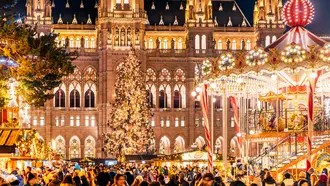
Vienna's Christmas markets begin opening November 6, 2026, but not every market deserves equal time. Compare palace settings, traditional craft stalls, family activities, quieter neighborhoods, and costs, then plan a route that...
October 27, 20261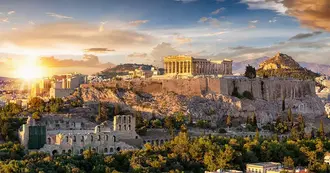
Athens does not have to be an expensive sightseeing city. Many of its best views, ancient landmarks, neighborhoods and local experiences are completely free. Here are 25 things to do in Athens for free or very little, plus a wa...
October 10, 202664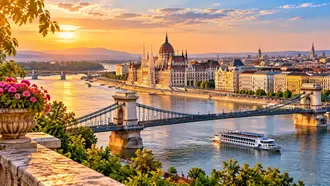
Budapest can swallow a weekend if every famous sight becomes a separate mission. These 25 things to do combine thermal baths, Danube views, grand architecture, food and neighbourhoods into a route that leaves time to enjoy the ...
October 10, 202692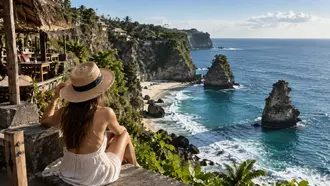
Bali is still worth visiting, but it is no longer the only answer for an Indonesian island escape. These Bali alternatives offer quieter beaches, volcanic landscapes, diving, surf, local culture and adventures that can feel far...
October 9, 202679
Jamaica’s famous rainforest bobsled runs for 3,280 feet through Mystic Mountain above Ocho Rios – but the ride is only one part of the visit. Here is how to choose tickets, avoid timing mistakes and decide whether it belongs in...
October 7, 202670
Jamaica does not have to mean expensive waterfall tours, private drivers and resort excursions. Many of the island’s best experiences cost little or nothing, from long beach walks and mountain views to local markets, street foo...
October 7, 202665
Steaming outdoor pools, snowy Alpine peaks, historic bathhouses and geothermal lagoons make winter one of the best times for a European spa trip. These are the best thermal baths in Europe, with practical advice on cost, atmosp...
October 6, 202692
Looking to shine a spotlight on your project? LitiTravels has you covered! We offer article-based promotion, manage branded blogs on our platform, drive engagement through our social media channels, and create content that delivers real results. Get in touch today and let’s make your brand stand out!
The best travel guides, trip planning tips and cultural discoveries from the LitiTravels team — once a month, straight to your inbox.