


Popular articles


10 Best Thermal Baths in Europe That Are Even Better in Winter
 Destinations10 Best Thermal Baths in Europe That Are Even Better in Winter
Destinations10 Best Thermal Baths in Europe That Are Even Better in Winter
10 Best Thermal Baths in Europe That Are Even Better in Winter
Article content

There is a particular moment that makes a winter thermal-bath trip worth planning: the air is close to freezing, steam hangs above the water, and getting out of the pool feels like the only bad decision left in the day. Europe has dozens of places where that experience comes with something extra, whether it is an Alpine panorama, centuries-old bathing culture, volcanic scenery or an entire city built around thermal water.
The best thermal baths in Europe are also remarkably different from one another. Budapest offers grand historic bathhouses that fit naturally into a city break, Iceland turns geothermal bathing into a landscape experience, Austria pairs thermal pools with snow-covered mountains, and Tuscany has naturally warm water flowing through the countryside.
Winter makes many of these places particularly memorable, but it also changes how a visit should be planned. Daylight is shorter, outdoor temperatures can be severe, holiday periods can sell out, and some thermal complexes have age restrictions or special sauna rules. This guide compares 10 of the best thermal baths in Europe for winter, including what makes each worth the journey, what admission can cost and which type of traveler will enjoy it most.
Best Thermal Baths in Europe at a Glance
For a first thermal-bath trip to Europe, Széchenyi in Budapest offers one of the strongest combinations of history, atmosphere and accessibility. Travelers looking for dramatic winter scenery should consider AQUA DOME in Austria or the Blue Lagoon in Iceland, while Terme di Saturnia provides a very different experience in rural Tuscany.
The table below makes it easier to match the destination to the trip rather than simply choosing the most famous name.
| Thermal bath | Destination | Best for | Winter highlight | Approximate adult admission |
|---|---|---|---|---|
| Széchenyi Thermal Bath | Budapest, Hungary | First-time visitors | Steaming outdoor pools in a historic complex | From HUF 10,500 |
| Blue Lagoon | Reykjanes Peninsula, Iceland | Iconic geothermal experience | Milky-blue water in a volcanic landscape | From ISK 11,990 |
| AQUA DOME | Längenfeld, Austria | Alpine scenery | Outdoor thermal pools surrounded by snowy peaks | From €33 for selected 3-hour tickets |
| Terme di Saturnia | Tuscany, Italy | Couples and slow travel | Warm thermal water in the Tuscan countryside | Paid day-spa admission varies |
| 7132 Thermal Baths | Vals, Switzerland | Architecture and quiet | Minimalist stone baths in the Swiss Alps | From CHF 70 on standard Mon–Tue admission |
| Caracalla Spa | Baden-Baden, Germany | Classic spa-town break | Indoor-outdoor bathing in winter | From €21 for 2 hours |
| Therme Bucharest | Bucharest, Romania | Value and all-day wellness | Tropical atmosphere and outdoor thermal water | From RON 71 for 3 hours |
| Thermae Bath Spa | Bath, England | Historic city break | Rooftop bathing above Bath | Check current booking rate |
| Saunia Thermal Resort | Karlovy Vary, Czechia | Affordable spa-town trip | 38°C natural thermal-water pool | Check current booking rate |
| Cascate del Mulino | Saturnia, Italy | Natural hot springs | Open-air thermal cascades | Free |
Prices change by date, duration, ticket type and holiday period, so they should be checked before booking. The important distinction is that the best thermal baths in Europe range from free natural springs to premium destination spas, which means a thermal vacation does not automatically have to be expensive.
1. Széchenyi Thermal Bath, Budapest, Hungary
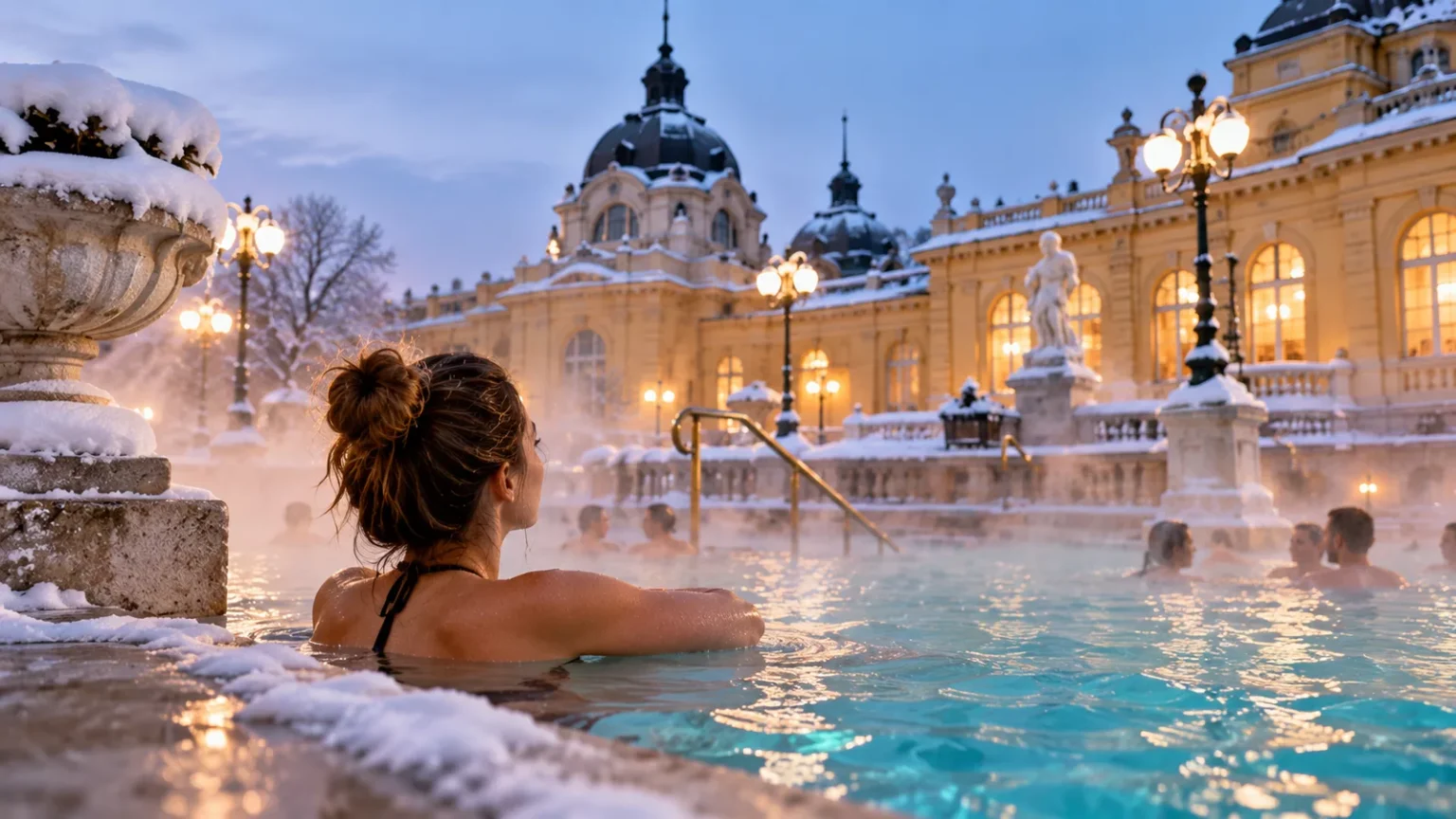
Széchenyi Thermal Bath is one of the best thermal baths in Europe for travelers who want the bathing experience to be part of a full city break. Its large outdoor pools remain especially atmospheric in cold weather, when steam rises in front of the yellow Neo-Baroque buildings and Budapest is firmly in winter mode.
The bath sits in City Park, making it easy to combine with sightseeing rather than dedicating an entire trip to a remote spa resort. Indoor pools, saunas and steam facilities provide somewhere to retreat when the temperature outside becomes uncomfortable.
For 2026, standard daily admission with locker use starts at HUF 13,200 Monday through Thursday, increasing on Fridays, weekends and peak dates. A cheaper “Good Morning Budapest” ticket is available for qualifying early entry from HUF 10,500. Visitors should also know that Széchenyi currently does not admit children under 14.
Why Széchenyi Is One of the Best Thermal Baths in Europe in Winter
The outdoor experience is the reason to visit Széchenyi in winter. Sitting in warm water while cold air and steam obscure parts of the surrounding architecture delivers the classic Budapest thermal-bath image without requiring a journey outside the city.
Go early if a quieter experience matters. The complex is famous and can become busy, especially around Christmas, New Year and weekends. Current schedules also vary by day, with later opening on Fridays, so checking the official calendar before choosing a time slot is worthwhile.
Best for: First-time Budapest visitors, couples, groups of adults and travelers who want thermal bathing without leaving a major city.
2. Blue Lagoon, Iceland
The Blue Lagoon is one of the best thermal baths in Europe for travelers who care as much about the setting as the soak itself. The milky-blue geothermal seawater sits amid black lava fields on Iceland’s Reykjanes Peninsula, creating a landscape that looks particularly dramatic under low winter light.
Despite its natural-looking setting, the Blue Lagoon is not a naturally formed hot spring. Its geothermal seawater originates deep underground and is associated with the nearby Svartsengi geothermal system. The water contains silica, algae and minerals, while the lagoon itself developed as a human-made bathing environment.
Basic Comfort admission currently starts from ISK 11,990, with a towel, silica mud mask, locker and a nonalcoholic drink among the inclusions. Prices are dynamic, and advance booking is essential.
Is the Blue Lagoon Worth It in Winter?
Yes, particularly for a first Iceland trip, but it should be treated as a premium attraction rather than a casual public pool. The contrast between cold Icelandic weather and warm geothermal water is a major part of the experience, and winter darkness can make the lava landscape feel even more otherworldly.
The practical consideration is location. The Blue Lagoon is on the Reykjanes Peninsula rather than in central Reykjavík, so transportation should be planned as part of the reservation. Iceland is also geologically active, and travelers should check current operating information and local safety guidance before departure rather than assuming access will remain unchanged.
A longer Iceland itinerary can combine geothermal bathing with waterfalls, geysers and volcanic landscapes. LitiTravels’ Iceland Golden Circle planning guide is useful when building the rest of the route around a spa day.
Best for: First-time Iceland visitors, couples, photographers and travelers willing to pay more for a distinctive setting.
3. AQUA DOME, Längenfeld, Austria
AQUA DOME is arguably one of the best thermal baths in Europe if the dream involves soaking outside while snow-covered mountains rise around the pool. The resort is in Längenfeld in Austria’s Ötztal Valley, surrounded by Alpine peaks rather than an urban skyline.
The thermal complex has 12 indoor and outdoor pools with approximately 2,000 square meters of water surface. Its signature outdoor bowl-shaped pools are the visual highlight, while thermal-water temperatures generally sit around 34–36°C (93–97°F).
Standard pricing varies by ticket and booking method. Current published rates include a three-hour flexible ticket at €44 and an Early Bird three-hour option from €33, while a standard day ticket is €59. Advance online reservations can also secure entry on busy dates.
Why AQUA DOME Is Exceptional in Winter
Few of the best thermal baths in Europe integrate so naturally into a winter mountain vacation. A spa day can be paired with skiing, winter hiking or several nights in the Ötztal, making AQUA DOME particularly useful for a mixed itinerary in which not everyone wants to ski every day.
The resort operates year-round, and winter is when its outdoor architecture makes the most visual sense. Staying at the attached hotel adds convenience because guests can reach the thermal area through a heated indoor bathrobe corridor.
Best for: Couples, Alpine vacations, spa weekends and travelers combining skiing with recovery days.
4. Terme di Saturnia, Tuscany, Italy
Terme di Saturnia is one of the best thermal baths in Europe for travelers who prefer countryside to city architecture. Its thermal spring emerges at approximately 37.5°C (99.5°F), providing naturally warm water even when Tuscany turns cool in winter.
The resort’s paid thermal complex should not be confused with Cascate del Mulino, the photogenic natural cascades nearby. Terme di Saturnia is a developed spa resort with pools, wellness facilities and treatments, while Cascate del Mulino is a separate open natural bathing site.
Winter changes the rhythm of the paid hot-spring pools. From November 1, 2026, through March 31, 2027, published hours are 9:30 a.m. to 5 p.m., shorter than in the warmer part of the year. Booking ahead is sensible for weekends and holidays.
Terme di Saturnia or Cascate del Mulino?
Choose Terme di Saturnia for changing facilities, organized pools, spa services and a more controlled wellness experience. Choose Cascate del Mulino if the priority is the natural setting, spontaneous outdoor bathing and avoiding an admission charge.
Travelers with time can experience both. The two places offer different versions of the same thermal landscape rather than functioning as direct substitutes.
Saturnia also works well as part of a broader Italian itinerary rather than a standalone spa vacation. For travelers still deciding where to build a European trip, the LitiTravels guide to the best countries to visit in Europe provides additional destination ideas.
Best for: Couples, road trips, Tuscany itineraries and travelers interested in natural thermal water.
5. 7132 Thermal Baths, Vals, Switzerland
The 7132 Thermal Baths in Vals belong among the best thermal baths in Europe because the architecture is inseparable from the bathing experience. Designed by Swiss architect Peter Zumthor, the complex uses local Vals quartzite to create a sequence of restrained, cave-like spaces that feel completely different from a conventional leisure spa.
Winter strengthens that atmosphere. Vals is an Alpine village in Graubünden, and the contrast between snow outside and dark stone, warm water and controlled light inside makes the thermal baths particularly suited to a quiet winter escape.
Access for non-hotel guests is limited and requires an online reservation in advance. Published standard admission is CHF 70 for adults on Monday and Tuesday and CHF 85 Wednesday through Sunday, with different conditions and occasional date-specific closures. Children are admitted from age six when accompanied by adults.
Who Should Choose 7132 Thermal Baths?
Choose Vals if quiet, architecture and atmosphere matter more than slides, entertainment or a huge number of pools. The complex deliberately protects its calm environment, and camera-equipped electronic devices such as phones and tablets are not allowed inside the thermal baths.
That rule can feel restrictive to travelers who want constant photographs, but it is also part of what distinguishes 7132 from more commercial thermal resorts. This is one of the best thermal baths in Europe for actually disconnecting.
Best for: Architecture lovers, couples, quiet luxury trips and travelers who dislike large water-park environments.
6. Caracalla Spa, Baden-Baden, Germany
Caracalla Spa is one of the best thermal baths in Europe for combining wellness with a traditional European spa town. Baden-Baden has a long bathing identity, and Caracalla provides a modern thermal complex within walking distance of the historic center.
The facility includes thermal bathing areas and a separate sauna component, allowing travelers to choose how much of the wellness experience they want. Winter is particularly comfortable because visitors can move between indoor facilities and warm water without making the spa the only activity of the trip.
Current admission is relatively approachable by Western European spa standards: €21 for two hours, €25 for three hours and €35 for a day ticket for the bathing area. Adding the sauna raises those prices. Children under seven are not permitted, and those under 14 must be accompanied by an adult.
Why Baden-Baden Works for a Winter Spa Weekend
Baden-Baden solves one problem that remote hot springs cannot: there is plenty to do before and after the soak. Cafés, architecture, cultural attractions and the compact city center allow a traveler to build an entire weekend without renting a car simply to reach the baths.
There is one important holiday detail. Caracalla Spa is closed on December 24 and 25, while special hours apply around New Year’s Eve and New Year’s Day. Anyone planning a Christmas thermal-bath trip should therefore verify dates before booking accommodation.
Best for: Weekend trips, couples, rail travelers and visitors looking for a traditional European spa-town experience.
7. Therme Bucharest, Romania
Therme Bucharest is one of the best thermal baths in Europe for travelers who want a large wellness complex without Alpine or Icelandic prices. Located outside central Bucharest, it combines thermal-water pools, tropical landscaping, saunas, relaxation areas, restaurants and more recreational facilities than a traditional historic bathhouse.
The Palm zone is particularly relevant for adults looking for a relaxed thermal experience. Its main warm-water pool extends outdoors, allowing visitors to remain in the water while moving between the interior and exterior sections.
Pricing depends on the zone, day and length of stay. Current adult Galaxy admission starts at RON 71 for three hours Monday through Thursday, while The Palm starts at RON 102 for the same period. Weekend, holiday and school-vacation prices are higher.
Is Therme Bucharest Good for Families?
Yes, but families need to understand its zone system before buying tickets. Galaxy is the family-oriented area, while access rules for The Palm and Elysium are more restrictive. The Palm generally admits guests over 14, with a specific exception for children under three subject to the facility’s conditions.
This makes Therme Bucharest unusually versatile. Families can prioritize water recreation, while adults can choose more wellness-focused zones without needing an entirely different resort.
Best for: Value-conscious travelers, families, groups and anyone wanting a full-day thermal complex near a European capital.
8. Thermae Bath Spa, Bath, England
Thermae Bath Spa earns a place among the best thermal baths in Europe because few destinations connect modern bathing so directly with the identity of the surrounding city. Bath is internationally known for its Roman bathing heritage, while the contemporary spa allows visitors to actually enter thermal water rather than only viewing the archaeological Roman Baths.
The standout feature is the open-air rooftop pool. Warm water and views across Bath’s historic skyline create a winter experience that feels very different from Alpine or volcanic thermal bathing.
A visit is particularly easy to build into a short England itinerary because the spa sits in the center of Bath. The city can be reached by train, and major historic sights, restaurants and accommodations are concentrated within a walkable area.
Roman Baths vs. Thermae Bath Spa
The Roman Baths are a historic attraction, not a place where modern visitors can bathe. Thermae Bath Spa is the place to go if the goal is actually soaking in thermal water.
You may also be interested in our article: 25 Things to Do in Prague – Including 15 of the Best Free Experiences
That distinction is worth knowing before buying tickets because the two experiences complement each other. Visiting the Roman Baths first provides the historical context, while a thermal-spa session turns that history into a modern experience.
Best for: Couples, history lovers, rail trips and travelers combining London with an overnight stay in Bath.
9. Saunia Thermal Resort, Karlovy Vary, Czechia
Karlovy Vary is one of Europe’s classic spa towns, and Saunia Thermal Resort provides a particularly useful option for travelers who want an outdoor thermal pool rather than only traditional spa treatments. The resort has warm pools and a sauna complex overlooking the town.
Its thermal pool uses 100% natural spring water at approximately 38°C (100°F). That temperature makes the outdoor experience particularly appealing in cold weather, when Karlovy Vary’s ornate buildings and surrounding hills provide a very different backdrop from modern Alpine resorts.
The town itself is part of the appeal. Thermal springs, colonnades, historic hotels and spa architecture make it possible to spend a full winter weekend exploring the bathing culture rather than visiting a single isolated attraction.
Why Karlovy Vary Is One of Europe’s Best Spa-Town Alternatives
Karlovy Vary suits travelers who find Budapest too busy or Swiss resorts too expensive. It combines a compact town, thermal heritage and relatively easy access from Prague with an atmosphere that encourages a slower trip.
Not every famous spring in Karlovy Vary is meant for bathing. The city’s Hot Spring, or Vřídlo, reaches approximately 73.4°C (164°F) at the source and is a sightseeing and drinking-cure feature rather than a pool to enter. Use designated bathing facilities instead of treating visible thermal springs as wild swimming spots.
Best for: Spa-town weekends, Central Europe itineraries, couples and travelers looking beyond Europe’s most famous thermal baths.
10. Cascate del Mulino, Saturnia, Italy
Cascate del Mulino is one of the best hot-spring experiences in Europe for travelers who want nature rather than a conventional spa. Warm thermal water flows over travertine formations, creating a series of shallow natural pools beside an old mill in the Tuscan countryside.
There is no admission fee, which immediately distinguishes Cascate del Mulino from many of the best thermal baths in Europe. There are also fewer comforts, however. This is an open natural bathing location rather than a resort experience with lockers, extensive changing facilities, spa treatments and controlled capacity.
Winter can be one of the most atmospheric times to visit because cooler air makes the thermal water feel particularly inviting. The trade-off is the moment after the soak: stepping out wet into cold air can be uncomfortable, so dry clothing, a large towel, warm footwear and a quick change matter.
When Is the Best Time to Visit Cascate del Mulino?
Early morning is usually the most appealing time if avoiding crowds is important. The pools are famous, free and accessible without the controlled admission system used by private thermal resorts, so visitor numbers can rise substantially at popular times.
Winter weekdays generally make more sense than holiday weekends. Bring water shoes because wet natural surfaces can be slippery, and do not expect the infrastructure of a paid day spa.
Best for: Road trips, budget travelers, photographers and visitors who prefer natural hot springs to resort facilities.
Which Best Thermal Baths in Europe Should You Choose?
The right choice depends more on the trip than on which thermal bath is most famous. A traveler already visiting Budapest has little reason to cross Europe solely for another urban spa, while someone planning an Alpine winter vacation may value mountain views more than elaborate historic architecture.
A simple way to narrow the options is to start with the experience:
- Best first European thermal bath: Széchenyi Thermal Bath, Budapest.
- Best iconic geothermal setting: Blue Lagoon, Iceland.
- Best snowy mountain setting: AQUA DOME, Austria.
- Best for architecture: 7132 Thermal Baths, Switzerland.
- Best for a historic spa town: Caracalla Spa, Baden-Baden.
- Best value for a large modern complex: Therme Bucharest.
- Best historic city break: Thermae Bath Spa, England.
- Best natural hot springs: Cascate del Mulino, Italy.
- Best Tuscan spa escape: Terme di Saturnia, Italy.
- Best Central European alternative: Karlovy Vary, Czechia.
For travelers building a longer journey rather than a single spa weekend, a three-week Europe itinerary can help put these destinations into a realistic route instead of adding long detours solely to visit another thermal bath.
How Much Do the Best Thermal Baths in Europe Cost?
A European thermal-bath visit can cost nothing or well over €100 once premium admission, treatments, food and transportation are included. The widest price difference is between free natural springs such as Cascate del Mulino and destination wellness resorts where the spa itself is a major part of the vacation.
Budget for more than the headline ticket. A thermal-bath day can also involve:
- Locker or changing-cabin upgrades.
- Towel or bathrobe rental or purchase.
- Sauna supplements.
- Treatments or massages.
- Food and drinks.
- Transportation from the nearest city.
- Parking.
- Hotel accommodation at remote resorts.
The cheapest admission therefore does not always produce the cheapest day. A €25 urban thermal bath that can be reached on public transportation may cost less overall than a free natural hot spring that requires a rental car and an overnight stay.
When Is the Best Time to Visit Thermal Baths in Europe?
November through March is the most atmospheric period for many outdoor thermal baths in Europe, especially in Central Europe, Iceland and the Alps. Cold air intensifies the contrast with warm water, while snow can transform mountain resorts into genuine winter destinations.
The quietest period is not necessarily the middle of winter. Christmas markets, school vacations, Christmas week, New Year’s Eve and ski-season weekends can make famous thermal baths extremely busy.
January after the New Year holiday and non-holiday weekdays in November, February and early March can offer a better balance. Weather remains wintry, but demand may be lower than during festive periods.
Travelers who prefer autumn conditions can also look at the best places to visit in Europe in October and combine fall sightseeing with a thermal-bath stop before the coldest weather arrives.
How to Visit the Best Thermal Baths in Europe Without Making Common Mistakes
The biggest mistake is assuming every thermal bath follows the same rules. European bathing culture varies substantially between countries and even between facilities in the same city.
Before visiting, check these details directly with the thermal bath:
- Reserve Ahead. Famous facilities can restrict capacity or sell out, particularly on weekends and holidays.
- Check Age Rules. Some adult-oriented thermal areas prohibit younger children or set minimum ages.
- Understand Sauna Etiquette. In parts of Central Europe, sauna areas may have different clothing rules from swimming pools.
- Bring Appropriate Footwear. Waterproof sandals are useful in developed complexes, while water shoes can help at natural springs.
- Check What the Ticket Includes. Towels, robes, lockers and sauna access may be included, optional or charged separately.
- Confirm Holiday Hours. Christmas and New Year schedules often differ from ordinary opening hours.
- Protect Phones and Valuables. Some facilities prohibit phones in bathing areas, while others provide lockers.
- Plan the Trip Home. Driving immediately after a long, relaxing spa session may be less appealing than expected, particularly in snow or darkness.
A few minutes spent checking the rules can prevent the most common frustrations. The best thermal baths in Europe range from informal natural pools to highly regulated wellness facilities, so assumptions based on a previous spa visit are unreliable.
What Should You Pack for European Thermal Baths in Winter?
A swimsuit is obvious, but winter thermal bathing requires a few items that are easy to overlook. The walk between the water and changing area can feel much colder than expected, particularly at outdoor pools.
A practical thermal-bath bag should include a swimsuit, waterproof sandals, a large towel if one is not provided, a reusable water bottle, hair ties for long hair, a waterproof bag for wet clothing and warm layers for immediately after the visit. Natural hot springs may also justify water shoes and an extra dry towel.
Avoid bringing unnecessary valuables. Some thermal facilities restrict photography or electronic devices, and carrying a phone around wet surfaces adds little to the experience when secure lockers are available.
Are European Thermal Baths Safe in Winter?
Designated commercial thermal baths are generally designed for year-round use, but hot water does not eliminate winter risks. Slippery surfaces, dehydration, rapid temperature changes and prolonged exposure to hot water still require common sense.
Take breaks instead of remaining continuously in the hottest pool. Drink water, follow posted time limits and facility instructions, and leave the water if dizziness, nausea or unusual discomfort develops.
Natural hot springs require additional caution because there may be no lifeguards, controlled water temperatures or maintained walkways. Never enter an undeveloped geothermal pool simply because the water appears inviting. In geothermal regions, dangerously hot water and unstable ground can exist close to safe visitor areas.
Are Thermal Baths in Europe Worth Planning a Winter Trip Around?
For the right destination, yes. The best thermal baths in Europe are not merely indoor activities for bad-weather days. In Budapest, Baden-Baden and Karlovy Vary, bathing is tied to the history and identity of the city. In Iceland, Austria and Switzerland, landscape and geology become part of the experience.
The strongest winter trips combine thermal bathing with something else rather than spending every day at a spa. A Budapest weekend can mix museums and baths, an Austrian trip can alternate skiing with thermal pools, Tuscany can combine hot springs with hill towns and food, and Iceland can pair geothermal bathing with waterfalls and volcanic landscapes.
That is ultimately what makes the best thermal baths in Europe worth traveling for. Warm water may be the starting point, but the memorable part is often what surrounds it.
FAQ About the Best Thermal Baths in Europe
What are the best thermal baths in Europe?
The best thermal baths in Europe include Széchenyi Thermal Bath in Budapest, the Blue Lagoon in Iceland, AQUA DOME in Austria, Terme di Saturnia in Italy, 7132 Thermal Baths in Switzerland, Caracalla Spa in Germany and Thermae Bath Spa in England. The best choice depends on whether the priority is history, scenery, natural hot springs, price or a luxury spa experience.
What are the best thermal baths in Europe to visit in winter?
AQUA DOME, Széchenyi Thermal Bath, 7132 Thermal Baths and the Blue Lagoon are particularly strong winter choices. They combine warm water with cold-weather scenery or outdoor pools that become more atmospheric when temperatures fall.
Where are the cheapest thermal baths in Europe?
Cascate del Mulino in Tuscany is free to access, while several Central and Eastern European thermal complexes cost considerably less than premium Icelandic or Swiss spas. Total trip cost matters, however, because transportation and accommodation can outweigh the admission price.
Which European city is most famous for thermal baths?
Budapest is one of Europe’s most famous thermal-bath cities and has a deep bathing culture supported by numerous thermal springs and historic bathhouses. Széchenyi is the best-known choice for many international visitors, while other Budapest baths offer different architecture and atmospheres.
Are European thermal baths open in winter?
Many of the best thermal baths in Europe operate year-round, including outdoor thermal pools. Opening hours can change during winter and around Christmas and New Year, so the individual facility’s calendar should always be checked before travel.
Do you need to book thermal baths in Europe in advance?
Advance booking is strongly advisable for famous thermal baths, especially the Blue Lagoon, 7132 Thermal Baths, AQUA DOME and popular facilities during weekends or holiday periods. Some venues limit capacity, and arriving without a reservation can mean waiting or being unable to enter.
Can children visit the best thermal baths in Europe?
It depends on the facility. Some thermal complexes welcome families, while others impose minimum ages or restrict children from particular wellness and sauna zones. Széchenyi currently does not admit children under 14, while 7132 Thermal Baths permits accompanied children from age six.
What should you wear to thermal baths in Europe?
A swimsuit is standard in most swimming and thermal-pool areas, but sauna rules can be different. Some Central European sauna areas have textile-free policies, while other facilities require swimwear. Check the venue’s rules before visiting rather than assuming one dress code applies throughout Europe.
What is the difference between a hot spring and a thermal bath?
A hot spring is naturally heated groundwater emerging from the earth, while a thermal bath is a bathing facility that uses naturally warm or heated mineral water and may include constructed pools, changing facilities, saunas and spa services. Some destinations combine both, while others are highly developed spa complexes supplied by thermal springs.
Is the Blue Lagoon a natural hot spring?
Not in the sense of a naturally formed bathing pool. The Blue Lagoon is a human-made lagoon filled with geothermal seawater associated with Iceland’s Svartsengi geothermal system. Its water originates deep underground and is naturally rich in silica, algae and minerals.
Are natural hot springs in Europe free?
Some are, but not all. Cascate del Mulino in Tuscany is a well-known free example, while many other thermal springs have been developed into paid spas or resorts. Free sites usually offer fewer facilities and may have no lockers, lifeguards or controlled capacity.
Which of the best thermal baths in Europe is best for couples?
AQUA DOME, Terme di Saturnia, 7132 Thermal Baths and the Blue Lagoon are particularly well suited to couples because they combine bathing with dramatic settings and upscale wellness options. For a city break, Széchenyi in Budapest and Thermae Bath Spa in Bath are easier to combine with restaurants, sightseeing and hotels.
How long should you spend at a thermal bath?
For most thermal baths in Europe, two to four hours is enough for pools, relaxation and a sauna session. Large destination complexes can justify half a day or longer, while a natural hot-spring stop may take only one or two hours. Longer is not automatically better because extended exposure to hot water can become tiring and dehydrating.
Are the best thermal baths in Europe worth visiting if it snows?
Yes, provided the facility remains open and transportation is safe. Snow can make outdoor thermal pools in Austria, Switzerland, Hungary and other cold-weather destinations particularly atmospheric. Check road, rail and weather conditions separately from the thermal bath’s opening status, especially at mountain resorts.


Author of LitiTravels Portal


Articles by the author:
All articles by author

Many of the best things to do in Prague cost nothing. This practical guide combines famous landmarks with free viewpoints, historic streets, parks and neighborhoods, plus a walkable itinerary that keeps unnecessary ticket spend...
 October 6, 2026
 5
5
Taking a power bank on a plane is still allowed in 2026, but the rules have changed. A new two-power-bank limit, strict carry-on requirements and airline-specific restrictions mean travelers should check more than the mAh numbe...
October 6, 2026
5
Where is hot in Europe in October when summer has already disappeared farther north? These 12 destinations still offer warm days, swimmable seas, outdoor dining, and enough sunshine for a convincing late-season escape.
October 5, 2026
14
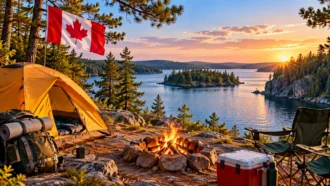
Ontario camping ranges from easy lakeside weekends to remote canoe routes where the next campsite is hours away. These 15 places show where to camp in Ontario, what each park does best, when to go and what to know before booking.
October 5, 2026
13
Subscribe to “lititravels” on Telegram for gaming intel.
No filler, no fuss—just your daily XP boost. Hop in and level up, squad!



Read also
Many of the best things to do in Prague cost nothing. This practical guide combines famous landmarks with free viewpoints, historic streets, parks and neighborhoods, plus a walkable itinerary that keeps unnecessary ticket spend...
October 6, 2026
5
Where is hot in Europe in October when summer has already disappeared farther north? These 12 destinations still offer warm days, swimmable seas, outdoor dining, and enough sunshine for a convincing late-season escape.
October 5, 2026
14
Ontario camping ranges from easy lakeside weekends to remote canoe routes where the next campsite is hours away. These 15 places show where to camp in Ontario, what each park does best, when to go and what to know before booking.
October 5, 2026
13
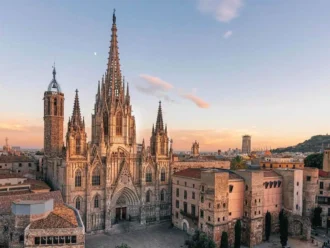
Mountains, medieval streets, Roman ruins and Mediterranean beaches are all close enough to Barcelona for a day trip – but some are much easier than others. Compare 15 escapes by travel time, transport, cost and how much of your...
September 30, 2026
23
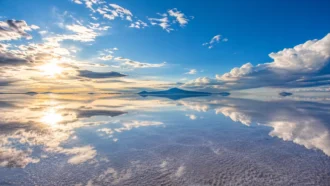
Bolivia's Uyuni Salt Flats can look like an endless white desert or the world's largest natural mirror depending on when you arrive. This guide explains the science, history and practical choices that determine what your trip w...
September 27, 2026
41
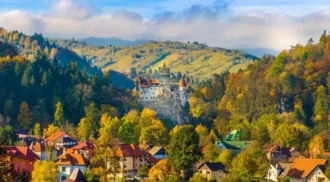
Romania looks compact on a map, but castles, medieval cities, mountain roads and the Danube Delta can turn poor planning into hours of backtracking. These 17 places show what is truly worth seeing and how to connect them into a...
September 25, 2026
36
Orlando does not have to mean $100-plus attraction tickets every day. These genuinely free Orlando experiences include Disney atmosphere, art, wildlife, gardens and local neighborhoods, with practical routes that save both mone...
September 24, 2026
44
New York can empty a travel budget fast, but some of its best experiences cost nothing. These 21 free NYC attractions include skyline views, museums, parks, ferries and walks – plus the “free” places tourists often misunderstand.
September 23, 2026
37
Key Largo is famous for turquoise water, but its coastline is not lined with endless sandy beaches. This guide shows which Key Largo beaches are actually worth visiting, where to swim and snorkel, and when driving farther into ...
September 21, 2026
44
Maui hiking can mean bamboo forest, volcanic crater, cloud-covered ridge or wild lava coast – sometimes on the same trip. These 10 Maui hikes show which trail fits your fitness, schedule and weather before you commit to the drive.
September 20, 2026
72

Cooperation
Looking to shine a spotlight on your project? LitiTravels has you covered! We offer article-based promotion, manage branded blogs on our platform, drive engagement through our social media channels, and create content that delivers real results. Get in touch today and let’s make your brand stand out!
Subscribe to the monthly news digest from LitiTravels
The main news and updates from the team about gadgets, sports, cars, health, and lifestyle.
