


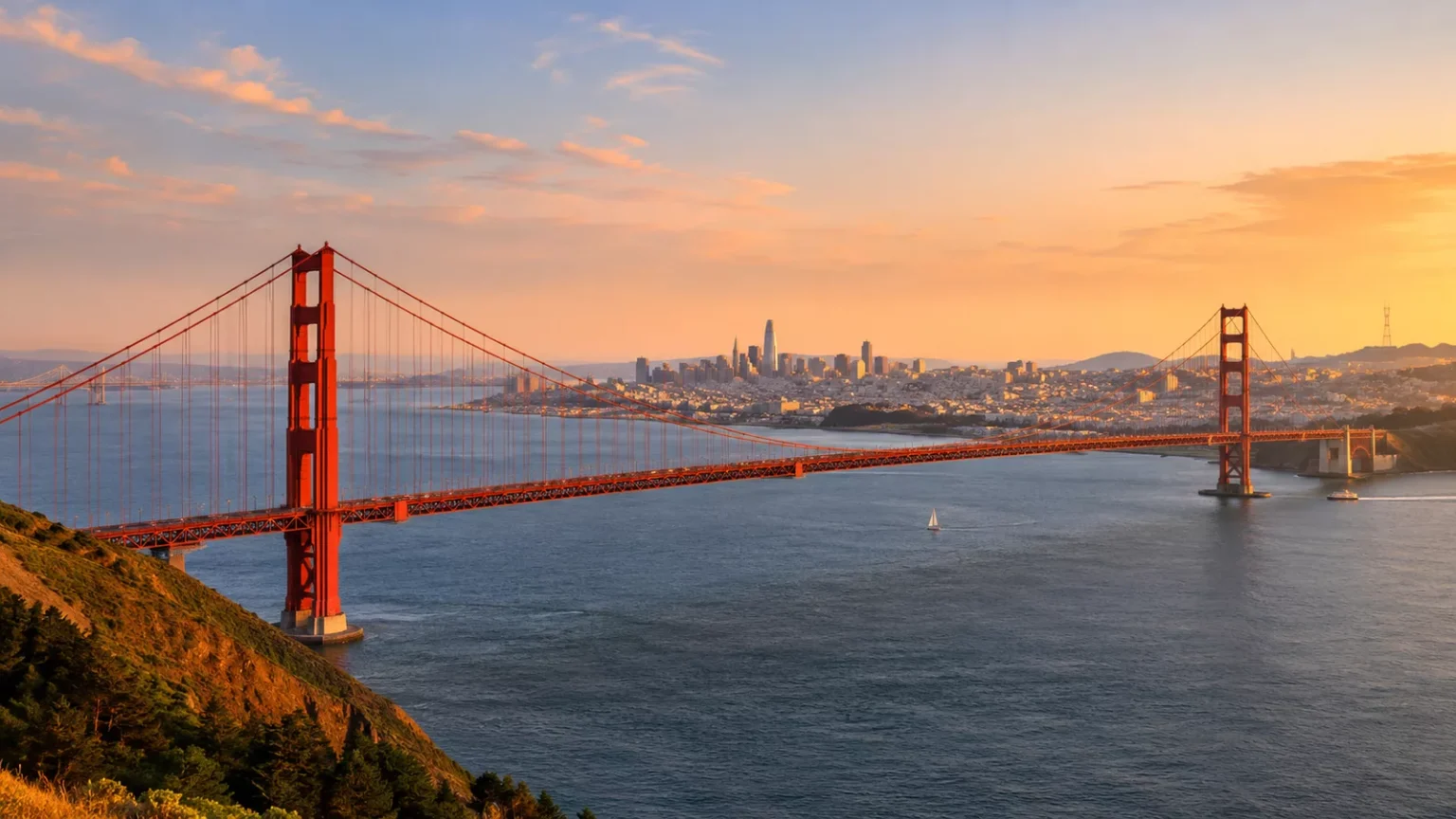
Popular articles


Is San Francisco Safe in 2026? 9 Things Tourists Should Know Before Going
 Tips & GuidesIs San Francisco Safe in 2026? 9 Things Tourists Should Know Before Going
Tips & GuidesIs San Francisco Safe in 2026? 9 Things Tourists Should Know Before Going
Is San Francisco Safe in 2026? 9 Things Tourists Should Know Before Going
Article content

Yes, San Francisco can be a safe and manageable destination for most visitors in 2026, but the useful answer is more complicated than a simple yes or no. The city’s most popular attractions receive millions of visitors, public transportation connects most major sightseeing areas, and many neighborhoods are straightforward to explore with ordinary big-city precautions. At the same time, San Francisco safety can change noticeably within a few blocks, particularly around parts of downtown.
For tourists, property theft is one of the most practical risks to plan for, especially if a trip involves a rental car, luggage or an expensive phone used constantly for navigation. Visitors may also encounter visible homelessness, public drug use or people experiencing behavioral health crises in some central areas. Those situations can feel unsettling without necessarily meaning that a traveler is in immediate physical danger.
Current crime data also needs context. San Francisco recorded broad declines across major crime categories in 2025, while preliminary 2026 figures have continued to show substantial declines in several property and violent-crime categories compared with the same period a year earlier. Not every category moves in the same direction, however, and citywide statistics cannot tell you exactly what one street will feel like at 11 p.m.
The practical answer to “is San Francisco safe?” is therefore yes for most tourist trips, provided you choose your accommodation carefully, protect your belongings, understand which downtown blocks require more awareness and make sensible decisions after dark.
Is San Francisco Safe in 2026? The Quick Answer
San Francisco is generally manageable for tourists who use normal urban precautions, but travelers should take property crime and block-by-block differences seriously. The biggest mistake is assuming that an entire neighborhood is either completely safe or completely unsafe.
| Situation | Practical risk for visitors | What to do |
|---|---|---|
| Major tourist sights in daytime | Generally straightforward | Use normal city awareness and secure valuables |
| Busy waterfront areas | Generally straightforward | Watch bags and phones in crowds |
| Downtown after dark | Varies sharply by block | Stay on active, well-lit routes |
| Tenderloin and some Mid-Market blocks | Extra awareness advisable | Avoid unnecessary wandering, especially late |
| BART and Muni | Widely used and practical | Keep phones and bags secure |
| Rental cars | Important property-theft risk | Leave nothing inside the vehicle |
| Crowded events and attractions | Pickpocketing/opportunistic theft possible | Keep bags closed and valuables out of easy reach |
| Solo travel | Usually practical with planning | Avoid isolated routes late at night |
| Emergencies | Standard U.S. emergency system | Call 911 for immediate danger |
This distinction matters because San Francisco is compact. A visitor can move from a busy shopping street to a quieter or more challenging block surprisingly quickly, especially around the downtown boundary between Union Square, Civic Center, Mid-Market and the Tenderloin.
What Do the 2026 Crime Numbers Actually Say?
The current picture is more positive than some older descriptions of San Francisco suggest, but it is still mixed enough that visitors should avoid becoming complacent. Citywide crime figures describe trends across hundreds of thousands of residents and visitors, not the likelihood of something happening to a particular tourist.
San Francisco finished 2025 with declines across major categories of violent and property crime. Preliminary police figures through May 31, 2026 also showed overall Part I crime below the equivalent 2025 level, with robbery, burglary, motor-vehicle theft and larceny among the categories showing year-over-year declines during that period.
The same preliminary snapshot showed that not every indicator improved. Homicides were higher during that specific year-to-date period than in the comparable months of 2025, which is one reason it would be misleading to reduce San Francisco travel safety to a single percentage or headline.
For visitors, the more useful conclusion is that the city is not accurately described by either extreme: it is neither a destination where tourists should expect constant danger nor a place where ordinary precautions can be ignored.
Which Areas of San Francisco Are Good for First-Time Visitors?
For most first-time visitors, the easiest bases are neighborhoods with good transportation, regular pedestrian activity and convenient access to major attractions. No neighborhood can be guaranteed crime-free, so “safe areas in San Francisco” should be understood as practical visitor bases rather than absolute safety zones.
| Area | Why visitors choose it | Practical safety note |
|---|---|---|
| Fisherman’s Wharf | Waterfront attractions, Alcatraz access, family-friendly sightseeing | Busy and tourist-oriented, but watch belongings in crowds |
| Marina District | Restaurants, waterfront, access to Presidio | Often active into the evening; normal city precautions apply |
| Pacific Heights | Residential streets and architecture | Quieter, but transport to some attractions takes longer |
| Presidio | Parks, trails and Golden Gate Bridge access | Spacious and less urban, but some routes become quiet after dark |
| Richmond District | Golden Gate Park, food and residential feel | Useful for travelers who prefer staying outside downtown |
| Embarcadero | Waterfront, Ferry Building and transit | Busy during the day; some stretches become quieter late |
| North Beach | Restaurants, nightlife and walkability | Expect crowds around nightlife areas |
| Union Square | Central location and transport | Convenient, but route choice matters near the Tenderloin and Mid-Market |
Fisherman’s Wharf is particularly easy for travelers who want to step outside a hotel and immediately find other visitors, restaurants and attractions. The Marina, Presidio and Pacific Heights feel less dominated by downtown office streets, while the Richmond District works well for travelers prioritizing parks and a more residential base.
Union Square remains convenient, especially for transportation and central sightseeing, but hotel location matters more here than the neighborhood name on a booking page. Two hotels advertised as being near Union Square can place a visitor on streets with noticeably different nighttime environments. Check the exact address and the walking route to nearby transit before booking.
Where Should Tourists Use Extra Caution in San Francisco?
Visitors should use more awareness in the Tenderloin, sections of Mid-Market and some blocks of SoMa, particularly when streets are quiet or unfamiliar after dark. That does not mean every person who enters these neighborhoods will encounter crime, nor does it mean the communities themselves can be reduced to a safety warning.
The Tenderloin sits immediately beside some of the city’s most visited downtown areas, which is why first-time travelers can enter it unintentionally while following a map. Visible drug activity, street disorder and people experiencing homelessness or behavioral health crises may be more noticeable here than in the Marina, Presidio or Pacific Heights.
Parts of Mid-Market and SoMa also change quickly from block to block. Major venues, hotels, museums, offices and restaurants operate throughout these districts, so describing all of SoMa as an area tourists should avoid would be inaccurate. The better rule is to know the exact destination, use a direct route and reconsider a long walk if the streets ahead become empty or uncomfortable late at night.
The Mission District also needs nuance. It is one of San Francisco’s major dining, nightlife and cultural neighborhoods, and large parts are busy with residents and visitors. As in other nightlife districts, late-night conditions around transit stations and quieter side streets can differ from the daytime experience.
Is San Francisco Safe at Night?
San Francisco is generally manageable at night when visitors stay on active streets, know where they are going and avoid unnecessary walks through unfamiliar quiet blocks. Night safety is much more about the exact route than whether the entire city is “safe after dark.”
Fisherman’s Wharf, North Beach, the Marina and busy restaurant or nightlife corridors typically retain pedestrian activity into the evening. Other parts of the city, including downtown business streets, may empty surprisingly quickly once offices close. A street that felt completely ordinary at 2 p.m. can feel very different late at night simply because almost nobody is around.
If a route requires crossing several unfamiliar downtown blocks after midnight, a taxi or app-based ride can be more practical than walking merely because the distance looks short on a map. This is especially sensible after drinking, when carrying luggage or when traveling alone and feeling unsure about the surroundings.
Do not let a navigation app make the safety decision for you. The mathematically shortest walking route is not always the most comfortable route at night.
Is Public Transportation Safe in San Francisco?
BART and Muni are normal parts of getting around San Francisco, and tourists do not need to avoid public transportation simply because they are unfamiliar with the city. The practical concerns are the same ones that apply to transit systems in many major cities: distraction, phones near doors, open bags and empty vehicles late at night.
BART specifically advises passengers to secure phones, laptops and purses, particularly while waiting on platforms and when train doors open. Travelers who feel uncomfortable can move to another car, and the first train car is useful for solo passengers because the operator is located there. BART also provides its BART Watch app for discreet reporting of suspicious or criminal activity.
Muni advises passengers to stay awake and aware and to keep bags closed and visible. One particularly useful nighttime feature is that after 8:30 p.m., passengers can request to leave between most scheduled bus stops, although the service has exceptions and does not apply to rail vehicles.
Visitors comfortable navigating another large transit-heavy city will recognize many of the same habits covered in LitiTravels’ guide to traveling to London: know the route before boarding, keep valuables controlled and avoid becoming so focused on a phone that you stop noticing the environment around you.
BART Safety Tips for Visitors
The safest approach on BART is simple: stay aware without treating every journey as dangerous. Most travelers will use BART without incident, but phones and bags are easy targets when a passenger is distracted.
Before boarding, keep these habits in mind:
- Keep your phone secure as train doors open and close.
- Keep bags zipped and positioned where you can see them.
- Avoid sleeping on the train, particularly when traveling alone.
- Move to another car if a situation makes you uncomfortable.
- Use the first car if you prefer to be closer to the train operator.
- Use BART Watch or contact BART Police if you need assistance.
These precautions are small enough that they should not interfere with sightseeing. They simply reduce opportunities for theft and make it easier to respond if something feels wrong.
The Biggest San Francisco Safety Rule Is About Your Car
If you rent a car in San Francisco, do not leave luggage, passports, electronics, backpacks or other belongings inside it. This is one of the most important San Francisco safety tips because vehicle break-ins have historically been a highly visible problem for visitors.
A common mistake is moving luggage into the trunk after parking at a tourist attraction. That may reveal that something valuable has just been hidden. Put items in the trunk before arriving, or better still, leave luggage at your accommodation and keep the vehicle empty.
Do not assume a covered item, an inexpensive backpack or something placed under a seat is unlikely to attract attention. San Francisco police guidance is unusually direct on this point: take valuables with you and keep the trunk clear whenever possible.
If a break-in has already happened, do not touch broken glass unnecessarily or chase anyone you believe was involved. A crime in progress or immediate danger belongs on 911; a completed auto burglary can be reported through the city’s non-emergency channels.
Travelers continuing their trip by rental car can also use the practical preparation points in LitiTravels’ guide to road trips across Canada when building a longer North American driving itinerary.
What Tourist Scams and Theft Tactics Should You Know?
Theft in San Francisco is generally a more useful concern for tourists to prepare for than elaborate destination-specific scams. Opportunistic theft works because travelers become distracted while navigating, photographing landmarks, buying tickets or handling luggage.
One scheme highlighted by San Francisco police in 2026 involved strangers approaching victims, offering or placing fake jewelry on them and using the interaction to steal genuine valuables. Older adults were specifically targeted in reported incidents. The practical response is not complicated: do not allow an unfamiliar person to place jewelry or another object on you, and step away if someone insists on unnecessary physical contact.
Pickpocketing can also be easier in crowded transit vehicles, queues and tourist areas. Keep wallets out of back pockets, close handbags and backpacks, and do not leave a phone sitting loosely in an outer pocket while taking photographs.
Large festivals and events create the same crowded conditions that make opportunistic theft easier in cities around the world. Travelers who regularly plan trips around major events can also use LitiTravels’ guide to the biggest music festivals in the world when thinking about transport, crowds and event-day planning.
What About Homelessness and Visible Drug Use?
Visitors may encounter homelessness, public drug use or people in visible distress, particularly in parts of the Tenderloin and Mid-Market. These conditions can be confronting, especially for travelers whose home cities have less visible street homelessness, but visible poverty should not automatically be treated as a threat.
The safest response to unpredictable behavior is distance rather than confrontation. Cross the street, change your route or enter an open business if a situation feels unstable. Avoid photographing individuals in vulnerable situations and do not initiate arguments.
If someone needs urgent medical assistance or there is immediate danger, call 911. For non-emergency city-service issues, San Francisco uses 311.
This distinction helps visitors respond appropriately without either ignoring genuine risk or treating everyone living on the street as dangerous.
Is San Francisco Safe for Solo Travelers?
San Francisco can work well for solo travel because the city is compact, has extensive transit and offers many attractions that are easy to visit independently. The most useful precautions become more important at night, when there is no companion to notice a wrong turn or help assess an uncomfortable situation.
Share accommodation details and important travel plans with someone you trust, especially if you will be out late. Keep enough phone battery to navigate back to your hotel and avoid having your phone constantly exposed while standing near transit doors.
When choosing accommodation, prioritize the exact location over a surprisingly cheap rate. Saving a small amount on a hotel is not necessarily worthwhile if it creates a route you dislike walking every evening.
Solo travel also makes flexibility valuable. If a BART car, bus stop or street feels wrong, moving elsewhere is a sensible decision even if nothing objectively dangerous has happened.
Is San Francisco Safe for Women Traveling Alone?
Women can travel alone in San Francisco, but nighttime route planning deserves the same attention it would in another major U.S. city. Busy streets, reliable transportation and well-located accommodation reduce the need for long isolated walks.
On public transportation, choose occupied train cars and visible waiting areas rather than deliberately seeking an empty space. Muni and BART both provide ways to report harassment or concerning behavior, and changing cars or leaving a stop is reasonable if a situation becomes uncomfortable.
Nightlife requires the same drink-safety precautions used elsewhere: keep control of your drink, know how you are getting back to the hotel and avoid depending on a nearly empty phone for navigation at the end of the night.
Safety advice should increase options, not make solo travelers feel they must spend the trip in fear. San Francisco remains a city where many major attractions, museums, parks and neighborhoods are simple to explore independently.
Is San Francisco Safe for Families?
San Francisco is practical for families, particularly when accommodation is close to the attractions or transit routes you expect to use most. Fisherman’s Wharf, the Presidio, Golden Gate Park and waterfront areas can all simplify sightseeing with children because several activities can be grouped together.
Crowds create a different safety issue for families. Establish a meeting point with older children, place contact details somewhere accessible for younger children and avoid allowing everyone in the group to become absorbed in separate phones.
Transit is often easier than driving because it avoids parking and removes the temptation to leave belongings inside a rental car. Families using a vehicle should still follow the same rule as every other visitor: the parked car should look completely empty.
Plan enough breaks that adults are not trying to navigate an unfamiliar neighborhood while tired children, luggage and phones compete for attention. Most avoidable travel mistakes happen when everyone is rushed.
How Safe Are San Francisco’s Main Tourist Attractions?
San Francisco’s headline attractions are generally straightforward to visit, but tourist crowds create opportunities for property theft. Busy does not mean risk-free, and quiet does not automatically mean dangerous.
| Attraction or area | Main practical concern | Best habit |
|---|---|---|
| Golden Gate Bridge | Traffic, bikes, weather and exposed walkways | Follow signs and stay aware of cyclists |
| Fisherman’s Wharf | Crowds and belongings | Keep bags closed |
| Pier 39 | Dense tourist crowds | Secure wallets and phones |
| Alcatraz departure area | Queues and busy waterfront | Watch luggage while waiting |
| Chinatown | Crowded sidewalks | Keep valuables secure |
| Union Square | Changing conditions on nearby streets | Check walking route before leaving |
| Golden Gate Park | Large park and quieter areas | Know your route before dark |
| Twin Peaks | Isolated viewpoint and vehicle security | Do not leave belongings in a parked car |
| Presidio | Long walking routes | Plan transport before late evening |
You may also be interested in our article: 17 Things to Do in Edinburgh in 2026 That Are Actually Worth Your Time
Most of these risks are easy to manage. The goal is not to spend the day constantly checking over your shoulder, but to avoid the situations that make theft unnecessarily easy.
10 San Francisco Safety Tips That Actually Matter
A short set of consistent habits offers more protection than memorizing a huge list of supposedly good and bad streets. These San Francisco safety tips are useful whether the trip lasts one day or a full week.
- Leave nothing in a parked car. Take luggage, backpacks, passports and electronics with you.
- Check the exact hotel address before booking. Neighborhood labels can cover very different blocks.
- Keep your phone secure near transit doors. Do not stand beside an opening door holding an expensive device loosely.
- Stay on active streets after dark. A slightly longer busy route may be more comfortable than a deserted shortcut.
- Do not follow navigation blindly. Change direction if a route feels unnecessarily isolated.
- Keep bags closed in crowded areas. Tourist crowds make distraction theft easier.
- Do not engage in confrontations. Move away from unpredictable or aggressive behavior.
- Know how you will return before going out at night. Do not wait until midnight to discover the last practical transit option.
- Keep emergency numbers available. Know when to call 911, 311 or the police non-emergency line.
- Treat awareness as routine, not fear. Most sightseeing should feel like normal city travel rather than a security exercise.
These rules cover the risks tourists are most likely to control themselves. They also remain useful if neighborhood conditions or crime statistics change after publication.
What Should You Do if Something Happens?
For immediate danger, a crime in progress, fire or medical emergency, call 911. San Francisco also provides separate channels for non-emergency police assistance and general city services.
| Situation | Contact |
|---|---|
| Police, fire or medical emergency | 911 |
| Police non-emergency assistance | 415-553-0123 |
| City services and information | 311 |
| SFPD anonymous tip line | 415-575-4444 |
| BART Police dispatch | 510-464-7000 |
| BART Police non-emergency text | 510-200-0992 |
Save the most relevant numbers before the trip rather than searching for them during a stressful situation. International visitors should also keep a digital copy of passport information and travel-insurance details somewhere separate from the physical documents.
If property is stolen, cancel affected bank cards and secure online accounts quickly. A police report may also be required for an insurance claim.
A Safer First-Time San Francisco Plan
A first visit becomes easier when sightseeing is grouped geographically rather than requiring repeated late-night journeys across unfamiliar parts of the city. This also reduces the number of times you need to navigate while distracted by luggage or a dying phone.
Spend one day around Fisherman’s Wharf, North Beach, the Embarcadero and nearby waterfront attractions. Another day can focus on the Golden Gate Bridge, Presidio, Marina and Pacific Heights, while Golden Gate Park, the Richmond and western neighborhoods can form a separate route.
Downtown attractions are easiest to visit deliberately rather than wandering without a plan late at night. If an evening ends in Union Square, SoMa or the Mission, know the route back before leaving the restaurant, venue or bar.
This structure does more for practical San Francisco travel safety than trying to memorize every street where someone online once had a bad experience.
So, Is San Francisco Safe to Visit in 2026?
Yes, San Francisco remains a realistic destination for first-time tourists in 2026, and its safety challenges should be understood rather than exaggerated or ignored. Most visitors can explore the Golden Gate Bridge, waterfront, parks, museums and major neighborhoods using the same basic awareness they would use in another large American city.
The most important distinction is between personal violence and property-related risk. A parked rental car containing luggage is a much more avoidable vulnerability than simply walking through a popular tourist area during the day.
Neighborhood choice also matters. The Tenderloin, Mid-Market and parts of SoMa can present a noticeably different street environment from the Presidio, Marina, Pacific Heights or Fisherman’s Wharf, and conditions may change within a few blocks.
The smartest approach is simple: choose accommodation by exact location, keep vehicles empty, secure phones on transit, use active routes at night and change plans when a street or situation feels uncomfortable. That is enough to make San Francisco safety part of sensible trip planning rather than the defining feature of the entire visit.
FAQ
Is San Francisco safe for tourists in 2026?
San Francisco is generally manageable for tourists who use normal big-city precautions. Visitors should pay particular attention to property theft, rental-car security, phones on public transportation and the exact route they take through downtown after dark.
Is San Francisco safe at night?
Many busy neighborhoods and entertainment areas are practical to visit at night, but conditions vary sharply by block. Stay on active, well-lit streets and use a taxi or app-based ride when a late-night walking route is unfamiliar or unusually quiet.
What are the safest areas in San Francisco for tourists?
Fisherman’s Wharf, the Marina, Pacific Heights, the Presidio and the Richmond District are popular visitor bases that many travelers find straightforward. No neighborhood is completely crime-free, so normal precautions still apply.
What areas should tourists avoid in San Francisco?
It is more accurate to talk about extra caution than blanket avoidance. Visitors unfamiliar with the city should be particularly aware in the Tenderloin, parts of Mid-Market and some SoMa blocks, especially late at night.
Is Fisherman’s Wharf safe at night?
Fisherman’s Wharf remains one of San Francisco’s busiest visitor areas and usually retains activity into the evening. Protect phones, wallets and bags around crowds, and use normal nighttime awareness on quieter streets.
Is Union Square San Francisco safe?
Union Square is a major shopping and hotel district, but its proximity to the Tenderloin and Mid-Market means route choice matters. Check the exact location of accommodation and avoid assuming every nearby block has the same street environment.
Is BART safe for tourists?
BART is widely used by residents and visitors. Keep phones and bags secure, remain alert around train doors, move to another car if uncomfortable and use BART’s reporting options when necessary.
Is Muni safe in San Francisco?
Muni is a practical way to explore the city. Keep belongings secure, stay aware of your surroundings and remember that after 8:30 p.m. passengers can request to leave between most scheduled bus stops, subject to service restrictions.
Are car break-ins still a problem in San Francisco?
Vehicle burglary remains a risk worth planning for even as reported crime levels have declined from earlier peaks. Never leave luggage, passports, electronics or other belongings in a parked vehicle.
Is San Francisco safe for solo female travelers?
Solo women can visit San Francisco independently, but should plan nighttime routes, stay in well-located accommodation, use occupied transit cars and avoid unnecessary isolated walks late at night.
What is the biggest safety risk for San Francisco tourists?
For many visitors, theft of property is the most practical risk to prevent. Rental-car break-ins, unsecured phones and belongings left exposed in crowded areas are much easier to reduce through simple preparation than many broader citywide risks.
What number should tourists call in an emergency in San Francisco?
Call 911 for an immediate police, fire or medical emergency. Call 311 for city services and 415-553-0123 for police matters that do not require an emergency response.
Is San Francisco worth visiting despite the safety concerns?
San Francisco’s safety issues do not prevent most visitors from experiencing its major attractions, neighborhoods and public spaces. Good accommodation choice, sensible nighttime routes and careful handling of valuables address many of the practical concerns tourists are most likely to face.
best beaches in St. Thomas


Author of LitiTravels Portal


Articles by the author:
All articles by author


Search for the 8 wonders of the world and the answer quickly becomes complicated. There is no universally recognized list of eight – but there is a fascinating reason travelers keep finding one. Here are the places, myths and s...
 September 18, 2026
 0
0
Glasgow is a city worth planning around food. This 2026 guide reveals where to eat from the city centre to the West End, what to order, how much to budget and how to turn the best restaurants in Glasgow into a food crawl that a...
September 17, 2026
4
Edinburgh is much easier to enjoy when you stop treating it as one long checklist. This 2026 guide picks the sights worth your time, shows which ones fit together and reveals where to go when the Royal Mile starts feeling too c...
September 17, 2026
4
Valladolid is easy to mistake for a quick stop on the way to Chichén Itzá. Stay a little longer and the picture changes: colorful streets, swimmable cenotes, Yucatecan food and major Maya sites all fit into a surprisingly simpl...
September 17, 2026
3
Subscribe to “lititravels” on Telegram for gaming intel.
No filler, no fuss—just your daily XP boost. Hop in and level up, squad!



Read also
Edinburgh is much easier to enjoy when you stop treating it as one long checklist. This 2026 guide picks the sights worth your time, shows which ones fit together and reveals where to go when the Royal Mile starts feeling too c...
September 17, 2026
4

Looking for the right beach hotel in Greece? Here’s an honest review of Alboro Seaside Suites. When travelers imagine Greece, they often picture whitewashed buildings, crowded beaches, and busy promenades. But there are still p...
 September 21, 2025
462
September 21, 2025
462

The Cabot Trail in Nova Scotia is one of Canada’s most scenic road trips, blending stunning coastal views, thrilling outdoor adventures, and rich cultural experiences. Here are five highlights that make this journey unforgettab...
April 2, 2025
369

Autumn in Europe is just a vibe. Starting with the cool days of October, the thinner crowds make it a totally perfect time to get outdoors and explore. You can catch vibrant colors of fall, food, and festivals, sans chaos from ...
April 5, 2025
416

Barcelona is not only a city with magnificent architecture and a fine sand coastline but also a leisure destination for travelers searching for free places to visit in Barcelona. If you wish to know more about the area’s cultur...
March 20, 2025
852

London is among the number one tourist destinations, and it hosts more than 10 million visitors per year. In order to ensure that you have the best travel experience ever, we have provided easy travel tips London to understand ...
February 13, 2025
316

Paris is an awesome city, but finding affordable hotels in Paris can be tricky. There are tons of options, and prices can skyrocket fast. Want to save some cash and still enjoy the vibe? Check out this article. You’ll lea...
February 3, 2025
522

Kutná Hora is a town in the Czech Republic, an hour away from Prague. It’s filled with stunning ossuary, St. Barbara’s Church, and exquisite medieval charm. So, if you happen to wonder where you should go and how to...
January 21, 2025
302

Cooperation
Looking to shine a spotlight on your project? LitiTravels has you covered! We offer article-based promotion, manage branded blogs on our platform, drive engagement through our social media channels, and create content that delivers real results. Get in touch today and let’s make your brand stand out!
Subscribe to the monthly news digest from LitiTravels
The main news and updates from the team about gadgets, sports, cars, health, and lifestyle.
