


Popular articles


12 Best Coffee Shops in Chicago Plus a Coffee Crawl You Can Actually Finish
 Tips & Guides12 Best Coffee Shops in Chicago Plus a Coffee Crawl You Can Actually Finish
Tips & Guides12 Best Coffee Shops in Chicago Plus a Coffee Crawl You Can Actually Finish
12 Best Coffee Shops in Chicago Plus a Coffee Crawl You Can Actually Finish
Article content

The best coffee shops in Chicago are spread across a city far too large for random café-hopping. Chicago’s coffee scene stretches from downtown institutions to neighborhood roasters in West Town, Avondale, Logan Square, Bucktown, Lakeview and beyond. Some Chicago cafes are worth visiting for a carefully dialed-in pour-over, others for inventive signature drinks, and a few make sense because they fit perfectly into a day of sightseeing.
That geography matters. A list of 20 excellent coffee shops in Chicago is not especially useful if visiting them requires spending half the day on trains and buses. A better approach is to choose a few places that reveal different sides of Chicago coffee, connect them with neighborhoods worth exploring and stop before caffeine fatigue makes the fifth espresso taste like the first.
For a first visit, three serious coffee stops in one day is plenty. Start downtown at one of the city’s most influential specialty-coffee names, move west for a contrasting roaster and finish around Bucktown or Logan Square where coffee can become part of an afternoon neighborhood walk. The remaining shops in this guide work better as alternatives for another day rather than mandatory stops on a caffeine marathon.
What Are the Best Coffee Shops in Chicago?
Chicago’s best coffee shops include Intelligentsia, Metric Coffee, Dark Matter Coffee, Four Letter Word Coffee, Ipsento 606 and several independent cafes with distinct approaches to roasting, brewing and café culture. The right choice depends on whether the priority is serious single-origin coffee, an unusual signature drink, pastries, atmosphere, working space or a café that fits naturally into a sightseeing route.
Chicago also rewards travelers who look beyond one “best” café. Intelligentsia helped establish the city’s reputation in specialty coffee, while businesses such as Dark Matter and Metric developed identities of their own. Smaller neighborhood cafes add another layer, making Chicago coffee as much about exploring the city as finding the technically perfect cup.
| Coffee shop | Area | Best for | What to order or look for |
|---|---|---|---|
| Intelligentsia Coffee | Loop/Lakeview | First-time Chicago coffee experience | Espresso, seasonal single-origin coffee |
| Metric Coffee | West Town/Avondale | Serious specialty coffee | Single-origin filter coffee |
| Dark Matter Coffee | Multiple neighborhoods | Experimental Chicago coffee culture | Espresso, cold coffee, house specialties |
| Four Letter Word Coffee | Logan Square area | Small specialty roaster experience | Rotating filter coffee |
| Ipsento 606 | Bucktown | Coffee plus a neighborhood walk | Ipsento Latte or seasonal coffee |
| Sawada Coffee | West Loop | Creative café drinks | Signature latte-style drinks |
| The Wormhole Coffee | Wicker Park | Retro atmosphere | Espresso drinks and house specialties |
| Café Jumping Bean | Pilsen | Neighborhood café culture | Coffee with breakfast or a snack |
| Gaslight Coffee Roasters | Logan Square | Relaxed neighborhood coffee | Filter coffee or espresso |
| Bridgeport Coffeehouse | Bridgeport | South Side coffee stop | House-roasted coffee |
| Hexe Coffee Co. | North Side | Coffee with pastries | Espresso and baked goods |
| Oromo Cafe | Lincoln Square | Creative drinks and alternatives | House specialty drinks |
The list deliberately mixes roasters with neighborhood cafes rather than pretending every traveler wants the same thing. The best coffee in Chicago for a coffee obsessive may not be the best coffee shop for someone who wants breakfast, Wi-Fi or a memorable room.
1. Intelligentsia Coffee Is the Chicago Classic to Know First
Intelligentsia is one of the most important names in modern Chicago coffee and an easy starting point for travelers who want to understand why the city developed such a strong specialty-coffee reputation. The company still operates several Chicago coffeebars, including locations near Millennium Park, in the Loop and on Broadway in Lakeview. That makes it unusually convenient because visitors can fit a serious coffee stop into an itinerary without crossing the city solely for caffeine.
For a first visit, keep the order simple. An espresso or seasonal filter coffee reveals far more about a specialty roaster than burying the coffee under multiple syrups. Travelers who normally drink lattes can still order one, but anyone curious about coffee itself should consider asking what is currently being served as batch brew or pour-over.
The Millennium Park location is particularly useful for tourists. It sits at 53 East Randolph Street and currently operates seven days a week, making it easy to combine with Millennium Park, the Chicago Cultural Center and the Art Institute area. This is one of the rare famous Chicago coffee shops that also makes logistical sense for a sightseeing day.
What should you order at Intelligentsia?
Choose espresso if you want a concentrated introduction to the coffee, or ask which seasonal coffee is being served if you prefer filter coffee. Intelligentsia roasts in Chicago and changes its single-origin offerings as coffees move through their seasonal availability, so the most interesting option is not necessarily a permanently named house drink.
That also means there is little value in planning a trip around one specific bean months in advance. Coffee is an agricultural product, and specialty menus change. Asking what is tasting particularly good that day is often more useful than arriving with an old social-media order saved on a phone.
2. Metric Coffee Is for Travelers Who Want to Taste the Coffee Itself
Metric Coffee is one of the strongest choices for travelers interested in roasting, origin and brewing rather than elaborate café drinks. Its coffee program emphasizes seasonal single-origin coffees alongside blends, and the company operates cafes connected closely to its Chicago roasting identity. For someone who wants to compare Chicago’s specialty roasters rather than simply find another latte, Metric deserves a dedicated stop.
The West Town location at 2021 West Fulton Street operates as a flagship café and training center. Its menu includes freshly roasted single-origin coffee, blends, cold brew, espresso and tea, making it particularly useful for a group whose members do not all want the same brewing style. The industrial setting also feels appropriately Chicago without trying to manufacture an old-fashioned aesthetic.
Metric also operates Milli in Avondale at 3110 North Kedzie Avenue. This newer all-day café and bakery adds pastries, food and a broader all-day format to the coffee experience, making it a better choice when the group needs breakfast or lunch rather than caffeine alone.
What makes Metric different?
Metric is particularly good for travelers who enjoy tasting differences between origins and processing styles. Its rotating menu means there may be coffees from Ethiopia, Mexico, Burundi, Kenya or other producing regions at different times of year. The point is not to collect countries, but to notice how dramatically coffee can change depending on variety, origin, processing and roast.
If you normally add sugar automatically, taste the coffee first. A carefully roasted single-origin cup may have enough natural sweetness and acidity to make the usual additions unnecessary.
3. Dark Matter Coffee Feels Nothing Like a Conventional Café Chain
Dark Matter Coffee is the Chicago coffee stop for travelers who want personality along with caffeine. Its cafes lean into art, music and unconventional branding rather than the pale wood and minimalist interiors that have become almost a uniform for specialty coffee. The company currently has multiple Chicago locations, including Mothership, Star Lounge, Osmium, Meddle, Electric Mud, Caravanserai, Soft Parade and Sleep Walk Chocolateria.
That network makes Dark Matter useful in a travel guide because there is no need to cross Chicago simply to visit one particular counter. Mothership sits at 738 North Western Avenue, Star Lounge at 2521 West Chicago Avenue and Meddle at 601 West Jackson Boulevard, among other locations. Pick the branch that fits the day’s route instead of treating the original or most photographed one as compulsory.
Coffee remains the reason to go. Dark Matter’s approach has long leaned toward distinctive roasting and creative flavor rather than trying to imitate a generic specialty-coffee template. If Intelligentsia is the useful historical starting point for Chicago specialty coffee, Dark Matter shows how far the city’s café identity can move in another direction.
Which Dark Matter location should you choose?
Choose Meddle if the day is centered around downtown and the West Loop. Star Lounge works better when exploring Ukrainian Village, while Osmium fits naturally into a Lakeview day. Mothership is worth considering for travelers specifically interested in the brand rather than those trying to minimize transit.
The practical rule is simple: do not commute 45 minutes for a coffee shop when another location from the same roaster fits the itinerary. Chicago is enormous, and smart café-hopping is about geography as much as coffee.
4. Four Letter Word Coffee Rewards a More Focused Coffee Stop
Four Letter Word Coffee is a smaller-scale choice for travelers who would rather explore a focused specialty roaster than another large café operation. Its Chicago shop is at 3022 West Diversey Avenue and currently keeps relatively concise daytime hours. The company emphasizes producer relationships, transparency and carefully sourced coffees.
This is the kind of Chicago coffee shop where ordering filter coffee makes sense. Rotating coffees are part of the appeal, so there is no need to chase a permanent “must-order” signature beverage. Ask what is available and choose according to whether you prefer fruitier, brighter coffee or something more chocolate-forward and familiar.
The smaller footprint also changes the experience. Four Letter Word is better treated as a deliberate coffee stop than an all-afternoon laptop base with a huge food menu.
5. Ipsento 606 Is the Coffee Stop to Pair With a Walk
Ipsento 606 sits at 1813 North Milwaukee Avenue in Bucktown beside the 606, Chicago’s elevated recreational trail. That location gives it an advantage that has nothing to do with coffee scores: you can turn a café visit into an actual piece of a Chicago itinerary rather than traveling across town, drinking for 20 minutes and immediately boarding another train.
Ipsento has roasted coffee in Chicago since 2006 and offers both standard espresso drinks and more distinctive house options. Its namesake Ipsento Latte is the kind of order that makes sense for visitors who want something they cannot recreate by ordering the same cappuccino they drink at every other stop. Travelers more interested in the beans can keep the order simpler.
Afterward, walk part of the 606 rather than immediately heading for another café. The pause helps with caffeine, gives the day some movement and reveals more of Chicago’s neighborhoods than a taxi-window tour ever will.
Why Ipsento works particularly well for travelers
Location is the answer. A great café can still be a poor travel recommendation when it requires a major detour and there is nothing else nearby that fits the itinerary. Ipsento works because coffee and neighborhood exploration naturally connect.
That principle should guide the entire Chicago coffee crawl. The goal is to experience the city through its cafes, not experience the inside of rideshare vehicles between them.
6. Sawada Coffee Is the Stop for a More Playful Order
Sawada Coffee in the West Loop is associated with a more playful side of Chicago cafes. The concept comes from world latte-art champion Hiroshi Sawada, and the café became particularly recognizable for drinks that combine strong visual identity with specialty-coffee technique. It is a useful contrast after visiting a roaster where the menu revolves primarily around origin and processing.
The West Loop setting is another advantage. Travelers can pair coffee with Fulton Market, restaurants, architecture and other nearby stops rather than making Sawada the sole reason for visiting the neighborhood. This becomes especially useful later in the day when another standalone espresso stop starts to feel unnecessary.
For anyone photographing the coffee crawl, this is also one of the more visually memorable choices. Just do not let appearance replace taste – order something you actually want to drink rather than choosing solely because it photographs well.
7. The Wormhole Is for Anyone Tired of Minimalist Coffee Shops
The Wormhole in Wicker Park offers an antidote to cafes where every chair, wall and ceramic cup seems designed in the same neutral palette. Its retro aesthetic and pop-culture personality make the room part of the reason to visit. That matters on a coffee crawl because drinking three technically excellent espressos in nearly identical spaces becomes surprisingly repetitive.
Wicker Park also gives travelers plenty to do before and after coffee. Milwaukee Avenue, local shops and the surrounding neighborhood make it easy to spend time on foot rather than treating the café as an isolated destination. Pairing it with Bucktown can create a compact afternoon route.
Coffee purists may prefer Metric or Four Letter Word when beans are the only criterion. Travelers looking for a Chicago cafe they will actually remember as a place, however, may get more from The Wormhole.
8. Café Jumping Bean Shows Why Neighborhood Cafes Matter
Café Jumping Bean in Pilsen represents another side of Chicago coffee culture: the neighborhood café as a community space rather than a destination built primarily for coffee tourism. Pilsen’s Mexican-American cultural identity, murals, restaurants and galleries give visitors reasons to spend much longer in the area than the duration of one drink.
This makes Café Jumping Bean particularly useful for travelers who have already visited one or two specialty roasters. The point of the next stop does not have to be finding an even more precise espresso. Sometimes the better travel experience is seeing how a café belongs to its neighborhood.
Pilsen itself deserves time. Do not arrive, order coffee and leave immediately for the North Side. Build the stop around walking, food or local cultural attractions so the café becomes part of exploring Chicago rather than another pin on a map.
9. Gaslight Coffee Roasters Fits a Logan Square Morning
Gaslight Coffee Roasters is a useful Logan Square choice for travelers who want coffee in a neighborhood setting. The area has long been associated with independent restaurants, bars and cafes, so coffee can easily lead into breakfast, lunch or several hours of walking. It is a better fit for a slow morning than a tightly scheduled downtown sightseeing day.
A straightforward espresso or filter coffee is the sensible first order at a roaster. Signature drinks can be fun, but comparing the fundamentals makes it easier to understand why different Chicago coffee shops have developed loyal followings.
Logan Square also works well as the final area of a coffee crawl. After several coffees, the afternoon should contain something other than more caffeine, and the neighborhood provides plenty of reasons to stay.
10. Bridgeport Coffeehouse Gives the South Side a Place on the Route
A Chicago coffee guide that never leaves downtown and the North and Northwest sides misses too much of the city. Bridgeport Coffeehouse offers a reason to build a South Side stop into the itinerary, particularly for travelers already exploring Bridgeport and nearby areas. It is better approached as part of a neighborhood day than squeezed awkwardly between North Side cafes.
That distinction matters because Chicago’s enormous size can distort travel guides. Two coffee shops can both be “in Chicago” while still being inconvenient to combine in a single morning. Neighborhood clustering is almost always more useful than chasing a citywide ranking.
Travelers with only one day should therefore keep Bridgeport for a South Side itinerary rather than forcing it into the main crawl below. With two or three days, it becomes much easier to explore Chicago coffee without turning the trip into a transit exercise.
11. Hexe Coffee Co. Works When Coffee and Pastries Share the Priority
Hexe Coffee Co. is a strong option for travelers who do not want coffee to be the only attraction on the table. The combination of espresso drinks, coffee and baked goods makes it more suitable for breakfast or an afternoon pause than a bare-bones tasting stop. That can be especially welcome after visiting roasters where coffee receives nearly all the attention.
This type of café also works better for mixed groups. One person can focus on espresso while another orders something sweeter and adds food, reducing the problem of dragging a non-coffee obsessive through a highly technical tasting itinerary.
That is an underrated factor when choosing the best coffee shops in Chicago. A café can serve exceptional coffee and still be the wrong stop for the people traveling with you.
12. Oromo Cafe Is a Good Break From the Standard Coffee Menu
Oromo Cafe in Lincoln Square is useful when the group wants more than conventional espresso-and-milk combinations. Creative drinks and alternative options make it a different experience from the specialty roasters earlier in this guide. It also fits naturally into a Lincoln Square visit rather than requiring an isolated trip.
By this stage, variety matters. After two pour-overs and an espresso, another technically impressive black coffee may reveal less than a completely different style of drink. A good coffee crawl should change pace instead of repeating the same order all day.
Lincoln Square itself also encourages a slower stop. The neighborhood is better suited to wandering than rushing in and out solely for caffeine, which makes Oromo more useful as part of an afternoon than as another box to tick.
The Best Chicago Coffee Shops by What You Actually Need
The “best coffee shop” changes depending on the reason for going. A visitor near Millennium Park at 8 a.m. needs a different recommendation from a coffee enthusiast willing to travel for a single-origin pour-over or someone looking for a memorable café before exploring Wicker Park.
The quickest way to narrow the options is to choose by experience rather than ranking.
| What you want | Chicago coffee shop to consider | Why it fits |
|---|---|---|
| First Chicago specialty coffee | Intelligentsia | Important local name with convenient locations |
| Single-origin coffee | Metric Coffee | Strong focus on seasonal specialty coffees |
| Bold local personality | Dark Matter Coffee | Distinctive Chicago identity and multiple locations |
| Small specialty roaster | Four Letter Word | Focused rotating coffee selection |
| Coffee plus a walk | Ipsento 606 | Directly beside the 606 trail |
| Creative drinks | Sawada Coffee | Signature-drink and latte-art appeal |
| Memorable interior | The Wormhole | Retro Wicker Park atmosphere |
| Neighborhood experience | Café Jumping Bean | Natural addition to a Pilsen visit |
| Logan Square morning | Gaslight Coffee Roasters | Easy neighborhood pairing |
| Coffee and pastries | Hexe Coffee Co. | Better fit for a food-focused stop |
This is a more practical way to choose among Chicago cafes than treating a citywide ranking as absolute. Pick the café that improves the day you already want to have.
The One-Day Chicago Coffee Crawl That Actually Works
The smartest one-day Chicago coffee crawl uses three main coffee stops, not eight. It begins downtown, gradually moves northwest and leaves enough time between drinks for sightseeing, food and walking. Trying to consume every recommended coffee in one day turns a fun itinerary into a caffeine challenge.
A workable route looks like this:
- 8:00 a.m. – Intelligentsia near Millennium Park. Start with espresso or filter coffee and keep breakfast relatively light.
- 8:45 a.m. – Millennium Park and Downtown Walk. Spend at least an hour exploring rather than heading directly to another café.
- 10:30 a.m. – Walk or Explore the Loop. Use the middle of the morning for Chicago itself, not another coffee.
- 12:00 p.m. – Lunch. Eat before continuing the crawl and drink water.
- 1:30 p.m. – Metric Coffee in West Town. Make this the serious tasting stop and try a seasonal single-origin coffee.
- 2:15 p.m. – Explore West Town or Continue Toward Bucktown. Give the second coffee time to settle.
- 4:00 p.m. – Ipsento 606. Choose a signature drink or something smaller than another large filter coffee.
- 4:45 p.m. – Walk the 606. Finish the coffee portion of the route outdoors rather than adding an unnecessary fourth cup.
- Evening – Wicker Park or Logan Square. Have dinner, explore the neighborhood and switch to water, food or a non-coffee drink.
Three cafes may sound modest compared with a “12 coffee shops in one day” social-media challenge, but it is far more useful for an actual traveler. Each stop offers something different, and the route leaves room to experience Chicago between coffees.
Travelers building a longer U.S. itinerary can pair a Chicago city break with a completely different American escape. LitiTravels’ guide to things to do in Broken Bow covers an Oklahoma destination centered on lakes, forests and outdoor activities.
Can You Walk the Entire Chicago Coffee Crawl?
No – and trying to make the whole route walkable would weaken it. Chicago covers a huge area, and many of the best coffee shops in Chicago are separated by neighborhoods rather than concentrated into one compact tourist center. The practical solution is to walk within neighborhoods and use public transportation between larger clusters.
Downtown is highly walkable, and Wicker Park, Bucktown and Logan Square each reward exploring on foot. The 606 is particularly useful because it turns the Bucktown portion into an attraction of its own. West Town also works well when paired with nearby restaurants and Fulton Market rather than treated as an isolated café destination.
Do not choose Chicago coffee shops based only on straight-line distance. A slightly farther café on a convenient train route can be easier to reach than a closer location requiring awkward transfers.
Best Chicago Neighborhoods for Coffee
The best Chicago coffee neighborhoods combine multiple cafes with enough attractions, restaurants and street life to justify spending several hours nearby. Wicker Park, Bucktown, Logan Square, West Town and Lakeview all work well for this reason, while the Loop wins on pure convenience for first-time visitors.
Neighborhood choice can also solve the problem of having too many recommendations. Instead of selecting five cafes scattered across Chicago, pick one district and choose one or two stops within it. The resulting day will involve more walking and less transportation.
| Neighborhood | Best for | How to use it |
|---|---|---|
| The Loop | First-time visitors | Coffee before major downtown sights |
| West Town | Specialty coffee and food | Pair Metric or Dark Matter with lunch |
| Wicker Park | Café atmosphere and shopping | Combine coffee with Milwaukee Avenue |
| Bucktown | Coffee and walking | Visit Ipsento and walk the 606 |
| Logan Square | Neighborhood café hopping | Choose one or two cafes, then stay for food |
| Lakeview | Coffee plus North Side sightseeing | Use Intelligentsia or Dark Matter as a morning stop |
| Pilsen | Culture, food and community cafes | Pair Café Jumping Bean with neighborhood exploring |
| Lincoln Square | Slower afternoon | Combine a café with a walk and local shops |
You may also be interested in our article: 15 Swiss Foods You Should Actually Try on a Trip to Switzerland
The strongest first-time combination is Loop in the morning, West Town after lunch and Bucktown/Wicker Park in the afternoon. It moves through different parts of Chicago without forcing visitors to zigzag across the entire city.
What Should You Order at Chicago Coffee Shops?
There is no single “Chicago coffee” equivalent to ordering a particular regional dish, so the best strategy is to change the drink at each stop. Start with something simple at a specialty roaster, then use later cafes for signature drinks. Ordering three nearly identical lattes makes it much harder to notice what distinguishes the shops.
A balanced tasting sequence could begin with filter coffee at Intelligentsia, move to a single-origin brew at Metric and finish with an Ipsento signature drink. Someone who prefers espresso can substitute a straight espresso or cortado at one stop. Cold brew becomes more appealing during Chicago’s warmer months, while drip coffee and milk drinks are easier to appreciate on cold days.
Do not be afraid to ask what coffee is currently brewing. Seasonal menus change, particularly at roasters that buy different coffees throughout the year, so the most interesting cup in September may not be available in February.
How Much Coffee Is Too Much for a Coffee Crawl?
For most travelers, ordering a full caffeinated drink at every café on a long list is unnecessary. Coffee strength and serving size vary, and an espresso-based drink can contain a very different amount of caffeine from a large batch brew or cold brew. Personal tolerance also varies significantly.
The easiest solution is sharing drinks, choosing smaller sizes and alternating coffee with food and water. Decaf can keep the café experience going without adding another full dose of caffeine. Anyone sensitive to caffeine should be particularly cautious later in the day because an afternoon crawl can easily interfere with sleep.
A coffee crawl is supposed to make Chicago more enjoyable, not produce shaking hands and a sleepless night. Three carefully chosen stops usually provide more value than racing through six.
Which Chicago Coffee Shops Work Best for Remote Work?
A good coffee shop for drinking coffee is not automatically a good coffee shop for opening a laptop for three hours. Seating, Wi-Fi, outlet availability, music volume and peak crowds differ widely, and some smaller specialty cafes are designed around quick visits rather than long work sessions.
Intelligentsia’s Millennium Park and Broadway location pages currently list Wi-Fi, which makes those branches more predictable choices when connectivity matters. Even there, travelers should remain considerate during busy periods rather than occupying a large table with one drink for half a day. Independent cafes can change laptop policies, particularly at weekends or during peak service.
For remote work, check the café’s current policy on the day of the visit. For a sightseeing trip, however, avoiding the laptop entirely may produce the better Chicago experience.
When Is the Best Time to Visit Chicago Coffee Shops?
Weekday mornings usually provide the easiest introduction to popular Chicago coffee shops, particularly if the goal is tasting rather than working or meeting friends. Weekend brunch periods can bring heavier traffic, while mid-afternoon often becomes quieter at cafes that remain open beyond lunch. Individual patterns vary considerably by neighborhood.
Season also changes the experience. September is particularly comfortable for building a coffee crawl around walking because Chicago is transitioning away from peak summer heat without yet reaching the harsher conditions associated with winter. Spring can offer similarly pleasant walking weather, although rapid temperature changes are part of Chicago life.
Winter should not stop a coffee-focused trip, but it changes the route. Cluster cafes more tightly around train lines and indoor attractions rather than building the day around long walks between neighborhoods.
Chicago Coffee in Summer vs Winter
Summer makes iced coffee, cold brew and the outdoor portions of a café crawl more appealing. It is the best time to combine Ipsento with the 606 or turn a Pilsen coffee stop into several hours of walking. Outdoor seating also increases the usefulness of cafes that might feel cramped during colder months.
Winter reverses the priorities. Warm drinks, short transfers and cafes close to museums or other indoor attractions become more valuable than patios and long neighborhood walks. Downtown locations can be especially practical when the weather becomes severe.
This is why a static ranking of the best coffee shops in Chicago never tells the whole story. The best café for a September afternoon may not be the smartest choice on a freezing January morning.
Are Chicago Coffee Shops Expensive?
Specialty coffee in Chicago generally costs more than basic diner or convenience-store coffee, particularly for pour-overs, single-origin selections and elaborate signature drinks. Prices also vary by size, milk choice and café, while food and pastries can easily cost more than the drink itself. A three-stop crawl therefore becomes noticeably more expensive if every visit includes coffee, pastry and another snack.
Budget travelers can keep the day reasonable by choosing smaller drinks and eating one proper meal rather than buying food at every café. A simple batch brew is often one of the most affordable ways to taste a roaster’s coffee. Sharing a signature drink at the final stop can also prevent both caffeine and spending from getting out of hand.
Remember that U.S. menu prices may not reflect the final amount after sales tax, and tipping interfaces are common even for counter-service purchases. Tipping practices differ from full-service restaurants, but travelers should expect to encounter the option.
Coffee Shop Etiquette International Visitors Should Know
Chicago cafes are generally casual, but a few habits make the experience smoother. Order before occupying limited seating when that is clearly how the café operates, keep belongings compact during busy periods and do not assume every table is intended as an all-day workspace. Staff can also explain unfamiliar menu terms if the shop is not crowded.
Tipping at a counter-service coffee shop is less rigid than tipping at a full-service U.S. restaurant. Digital payment terminals commonly display suggested gratuities, but the presence of a button does not mean every transaction carries the same social expectation as table service. Larger or more complicated orders naturally involve more service than purchasing a single drip coffee.
The most important etiquette rule on a coffee crawl is much simpler: do not rush the people behind you because the itinerary says the next café starts in 20 minutes. A travel plan should adapt to the city, not the other way around.
Common Mistakes When Searching for the Best Coffee in Chicago
The first mistake is assuming all of Chicago’s best coffee shops are downtown. The Loop has excellent and convenient options, but much of the city’s café culture makes more sense once travelers move into residential neighborhoods. Staying only within a few blocks of Millennium Park gives an incomplete picture.
Another mistake is trying to visit every famous shop in a single day. Chicago is simply too large for that to be enjoyable, and consuming coffee continuously makes each successive cup harder to appreciate. A neighborhood-based approach is more efficient and reveals more of the city.
Avoid these common problems:
- Do Not Plan More Than Three or Four Serious Coffee Stops in One Day. Caffeine and palate fatigue will catch up quickly.
- Do Not Cross the City for a Roaster With a Location Near Your Existing Route. Check all branches before planning transportation.
- Do Not Order the Same Drink Everywhere. Vary the brewing method or style so each stop contributes something different.
- Do Not Ignore Neighborhoods. The area around the café can be as important to the travel experience as the coffee.
- Do Not Assume Every Cafe Welcomes Long Laptop Sessions. Policies and seating situations vary.
- Do Not Rely on Old Opening Hours. Check the café’s official information shortly before visiting.
- Do Not Treat Social-Media Popularity as Proof of Better Coffee. Photogenic drinks and excellent coffee can overlap, but they are not the same thing.
A strong Chicago coffee day should feel like exploring a city with coffee along the way. If it feels like commuting between cups, the route needs simplifying.
How to Build a Two-Day Chicago Coffee Itinerary
Two days are much better than one for travelers who genuinely care about Chicago coffee. Day one can follow the Loop-to-Northwest route, while day two can focus on a different part of the city. This removes the pressure to squeeze excellent but geographically inconvenient cafes into the same schedule.
Use the first day for Intelligentsia, Metric and Ipsento or another Wicker Park/Bucktown option. On day two, choose Pilsen and Café Jumping Bean, a South Side stop such as Bridgeport Coffeehouse, or spend a slower morning around Logan Square and Avondale. The exact combination matters less than keeping the route geographically coherent.
For travelers who like organizing trips around one central experience, the same strategy works beyond food and coffee. LitiTravels’ guide to the biggest music festivals in the world shows how a major event can become the anchor for a wider destination itinerary.
Is Chicago Actually a Good City for Coffee Lovers?
Yes – especially for travelers interested in the differences between roasters rather than simply collecting attractive cafes. Chicago has established specialty-coffee businesses, smaller independent roasters, creative café concepts and neighborhood institutions, giving visitors enough variety to build several completely different coffee days. The city’s scale is both its greatest advantage and its biggest logistical challenge.
Chicago also offers something that smaller coffee destinations cannot: every stop can introduce a different neighborhood. Coffee can become the excuse to see West Town in the morning, walk the 606 in the afternoon or spend several hours in Pilsen instead of remaining entirely inside the downtown tourist zone.
That makes the best coffee shops in Chicago valuable for more than caffeine. Used properly, they become a route into Chicago itself.
FAQ About the Best Coffee Shops in Chicago
What are the best coffee shops in Chicago?
Intelligentsia, Metric Coffee, Dark Matter Coffee, Four Letter Word Coffee, Ipsento 606, Sawada Coffee, The Wormhole and several neighborhood cafes are strong places to start. The best choice depends on location, preferred coffee style and whether the priority is coffee quality, food, atmosphere or sightseeing convenience.
What is the best coffee in Chicago for a first-time visitor?
Intelligentsia is a useful first stop because of its importance to Chicago specialty coffee and convenient locations, including one near Millennium Park. Metric and Dark Matter then provide contrasting approaches to the city’s coffee culture.
What coffee is Chicago known for?
Chicago does not have one traditional coffee drink that defines the city. It is better known for a mature specialty-coffee scene built around influential roasters, independent cafes and neighborhood coffee culture.
What are the best Chicago coffee shops downtown?
Intelligentsia’s Millennium Park and Monadnock coffeebars are convenient downtown options, while Dark Matter’s Meddle location at 601 West Jackson Boulevard provides another local choice. Always check current opening hours before visiting.
Where can you find specialty coffee in Chicago?
Specialty coffee is available across the city, with particularly useful options in the Loop, West Town, Logan Square, Avondale, Bucktown, Wicker Park and Lakeview. Intelligentsia, Metric, Four Letter Word and Dark Matter are useful starting points for exploring different roasting styles.
What are the best coffee neighborhoods in Chicago?
Wicker Park, Bucktown, Logan Square and West Town are particularly convenient for travelers who want to combine coffee with restaurants, shops and neighborhood walking. The Loop is easiest for first-time sightseeing, while Pilsen offers a different cultural and community-focused experience.
Can you do a Chicago coffee crawl in one day?
Yes, but three main coffee stops are enough for most people. A practical route can begin near Millennium Park, continue through West Town and finish around Bucktown or Wicker Park, using sightseeing and lunch to create breaks between drinks.
Which Chicago coffee shop is near Millennium Park?
Intelligentsia operates a coffeebar at 53 East Randolph Street near Millennium Park. It is one of the easiest specialty-coffee stops to combine with a first-time downtown Chicago itinerary.
Are there Chicago coffee shops with Wi-Fi?
Yes. Intelligentsia currently lists Wi-Fi as an amenity at its Millennium Park and Broadway coffeebars, while policies at other cafes vary. Travelers planning to work should confirm current Wi-Fi and laptop policies before making a special trip.
Which Chicago coffee shops roast their own coffee?
Several Chicago businesses roast coffee, including Intelligentsia, Metric Coffee, Dark Matter Coffee and Four Letter Word Coffee. Their offerings change over time, so checking the current menu is more useful than planning around a particular bean months in advance.
Is September a good time for a Chicago coffee crawl?
September can work particularly well because the weather is generally more suitable for combining cafes with neighborhood walking than the coldest winter months. Conditions still vary, so the route should remain flexible, especially when several stops involve outdoor walking.
How many coffee shops should you visit in one day in Chicago?
Three serious coffee stops are enough for most travelers. Four can work with smaller or decaf drinks, but visiting more often creates unnecessary caffeine and turns the day into transportation between cafes rather than an enjoyable Chicago itinerary.
Thai food


Author of LitiTravels Portal


Articles by the author:
All articles by author

Paris in October can give you golden gardens, sunny café afternoons and cold rain in the same trip. This 2026 guide shows what the weather actually feels like, what to pack and which October dates need extra planning.
 September 22, 2026
 0
0
Karnak is overwhelming, Philae sits on an island and Abu Simbel was moved piece by piece. These nine Egyptian temples make far more sense once you know what to look for – and which ones actually fit the same trip.
September 21, 2026
3
Key Largo is famous for turquoise water, but its coastline is not lined with endless sandy beaches. This guide shows which Key Largo beaches are actually worth visiting, where to swim and snorkel, and when driving farther into ...
September 21, 2026
4
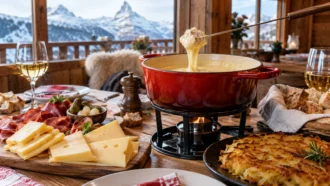
Swiss food is much bigger than fondue and chocolate. Travel from Zurich to Valais and Ticino and the menu changes completely. These 15 dishes show what to order, where each specialty makes sense and which famous foods are actua...
September 21, 2026
4
Subscribe to “lititravels” on Telegram for gaming intel.
No filler, no fuss—just your daily XP boost. Hop in and level up, squad!



Read also
Swiss food is much bigger than fondue and chocolate. Travel from Zurich to Valais and Ticino and the menu changes completely. These 15 dishes show what to order, where each specialty makes sense and which famous foods are actua...
September 21, 2026
4
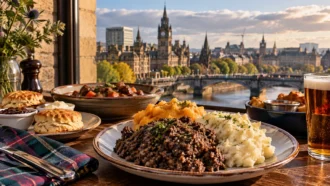
Glasgow food is much bigger than haggis. The city mixes old-school Scottish comfort dishes, legendary breakfast rolls, chippy culture, South Asian flavours and ambitious modern cooking. Start with these 15 foods and the neighbo...
September 19, 2026
13
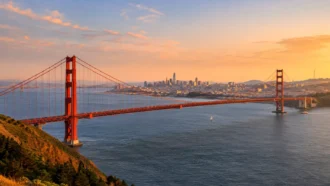
San Francisco is easier to navigate safely when you know how quickly conditions can change from one block to the next. Here is what visitors need to know in 2026 about neighborhoods, nighttime travel, transit, car break-ins and...
September 18, 2026
22
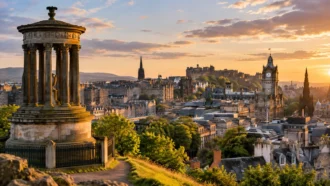
Edinburgh is much easier to enjoy when you stop treating it as one long checklist. This 2026 guide picks the sights worth your time, shows which ones fit together and reveals where to go when the Royal Mile starts feeling too c...
September 17, 2026
14

Looking for the right beach hotel in Greece? Here’s an honest review of Alboro Seaside Suites. When travelers imagine Greece, they often picture whitewashed buildings, crowded beaches, and busy promenades. But there are still p...
 September 21, 2025
473
September 21, 2025
473

The Cabot Trail in Nova Scotia is one of Canada’s most scenic road trips, blending stunning coastal views, thrilling outdoor adventures, and rich cultural experiences. Here are five highlights that make this journey unforgettab...
April 2, 2025
384

Autumn in Europe is just a vibe. Starting with the cool days of October, the thinner crowds make it a totally perfect time to get outdoors and explore. You can catch vibrant colors of fall, food, and festivals, sans chaos from ...
April 5, 2025
435

Barcelona is not only a city with magnificent architecture and a fine sand coastline but also a leisure destination for travelers searching for free places to visit in Barcelona. If you wish to know more about the area’s cultur...
March 20, 2025
858

London is among the number one tourist destinations, and it hosts more than 10 million visitors per year. In order to ensure that you have the best travel experience ever, we have provided easy travel tips London to understand ...
February 13, 2025
332

Paris is an awesome city, but finding affordable hotels in Paris can be tricky. There are tons of options, and prices can skyrocket fast. Want to save some cash and still enjoy the vibe? Check out this article. You’ll lea...
February 3, 2025
533

Cooperation
Looking to shine a spotlight on your project? LitiTravels has you covered! We offer article-based promotion, manage branded blogs on our platform, drive engagement through our social media channels, and create content that delivers real results. Get in touch today and let’s make your brand stand out!
Subscribe to the monthly news digest from LitiTravels
The main news and updates from the team about gadgets, sports, cars, health, and lifestyle.
