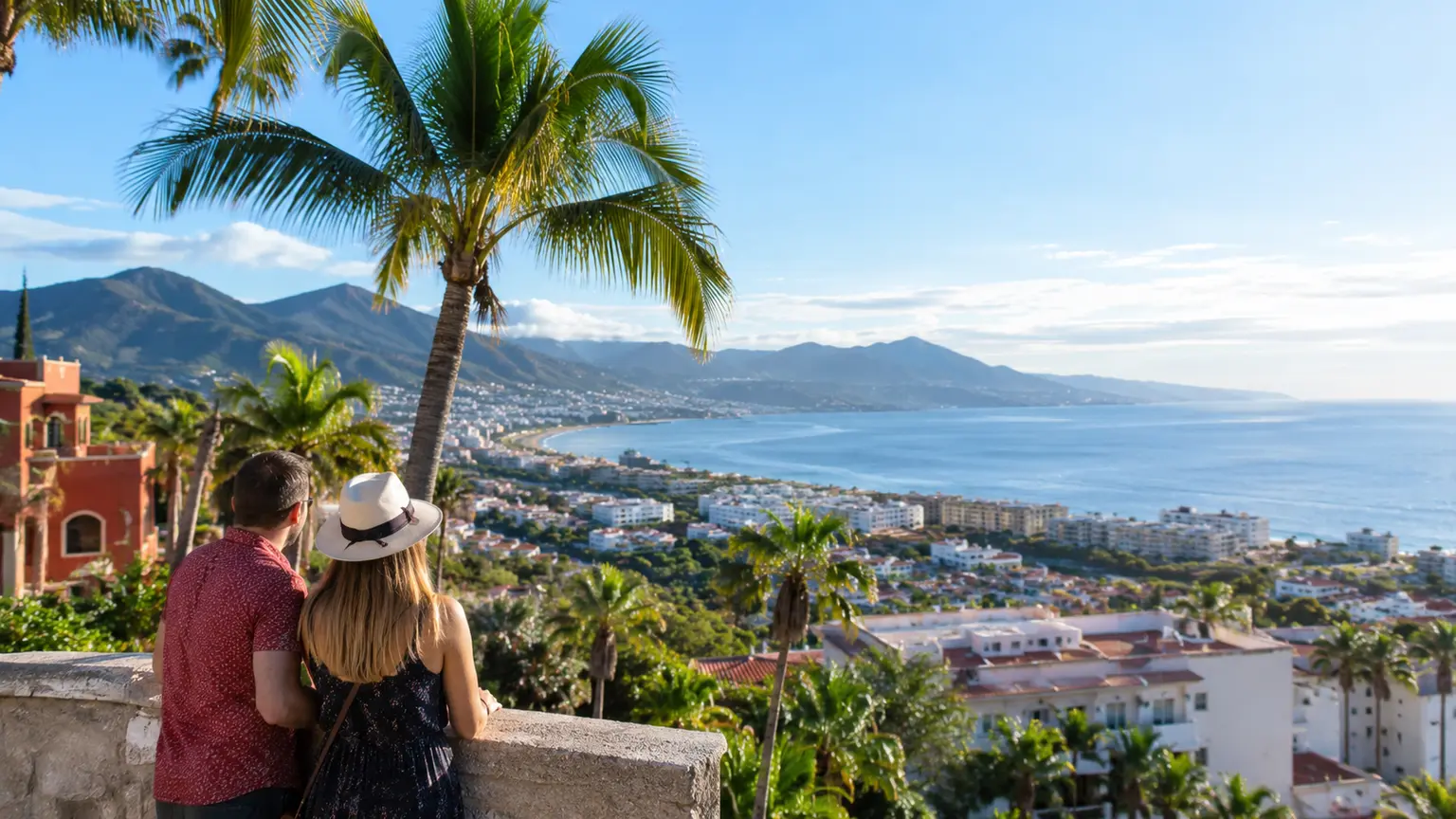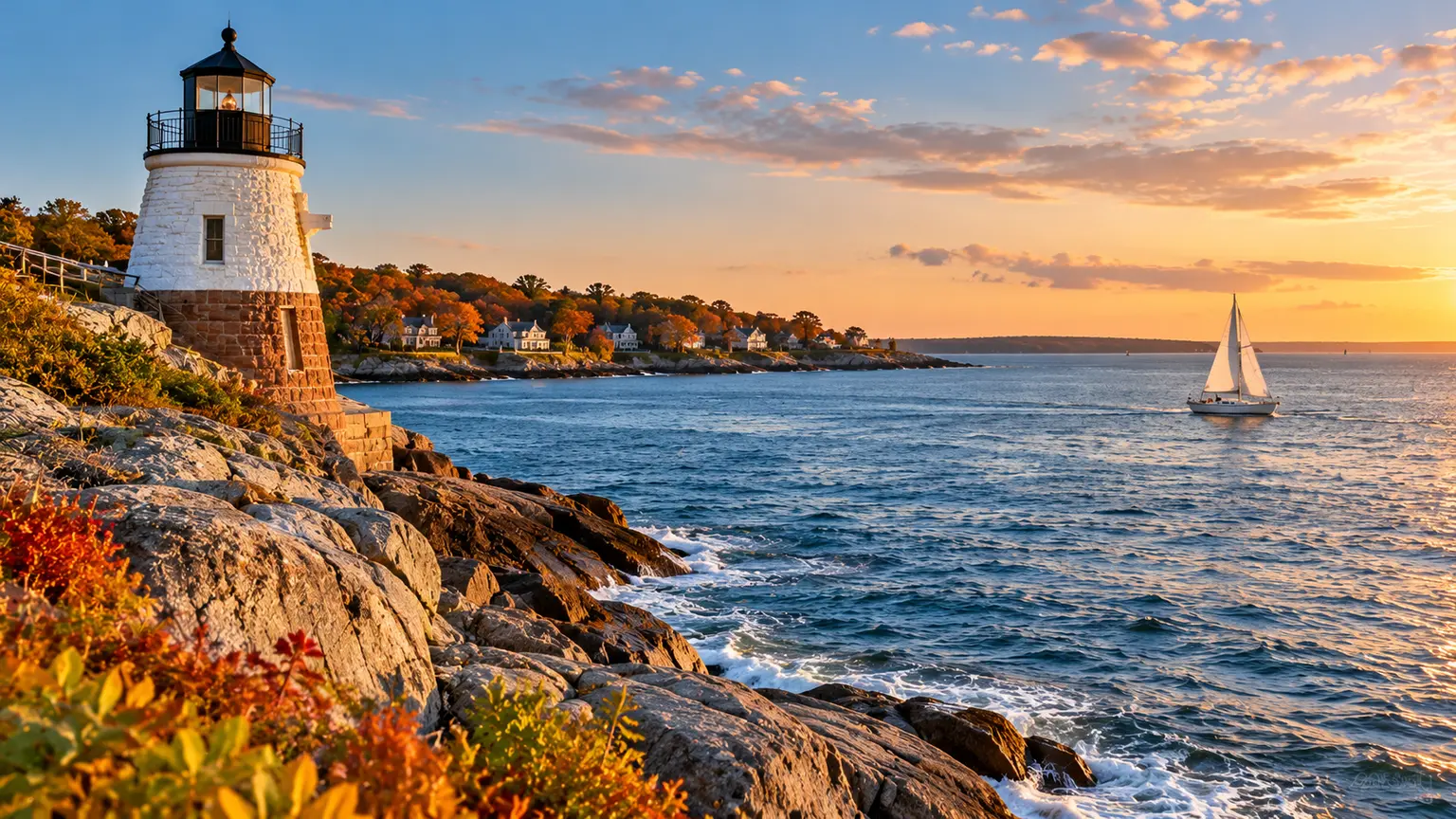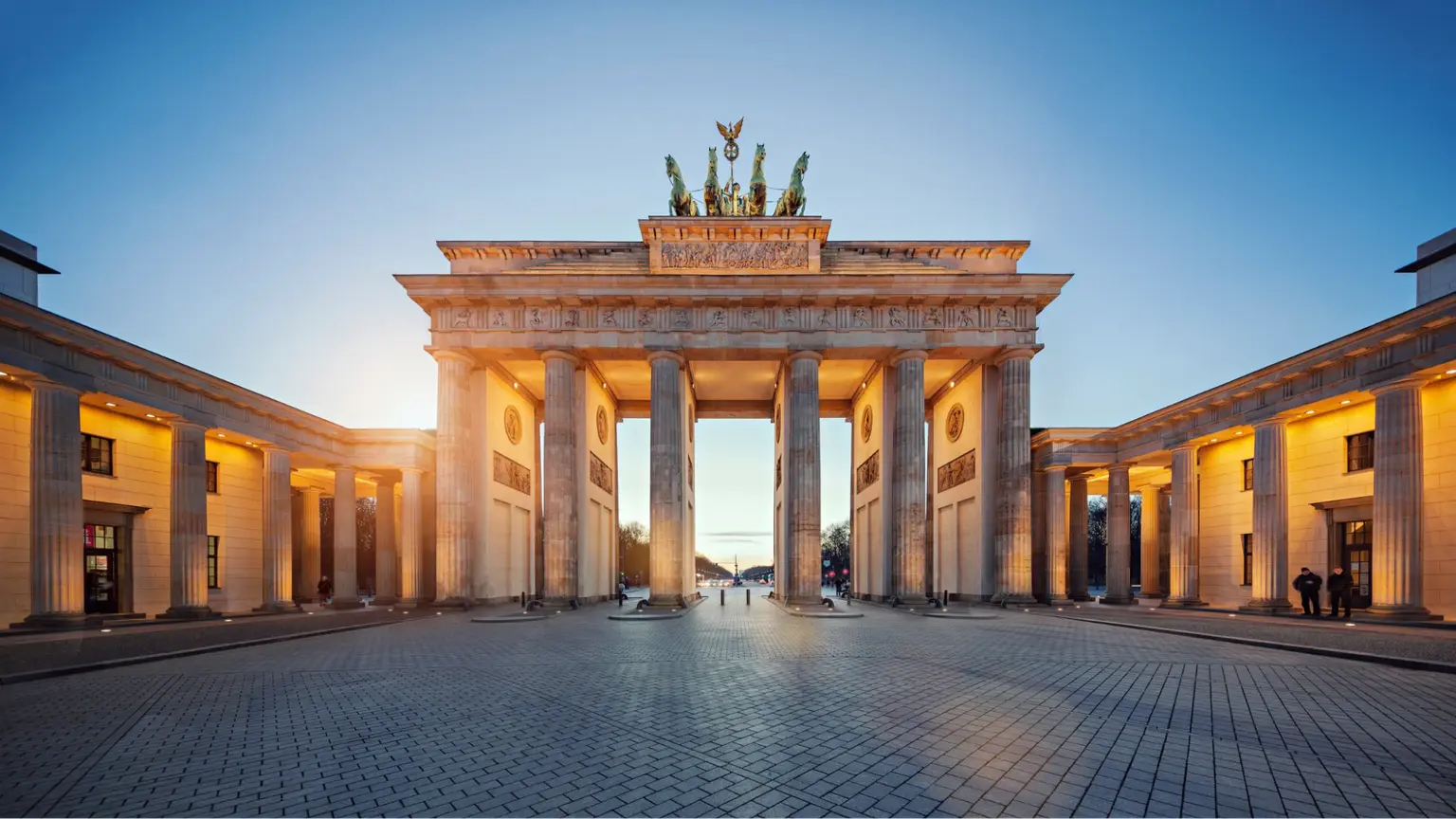
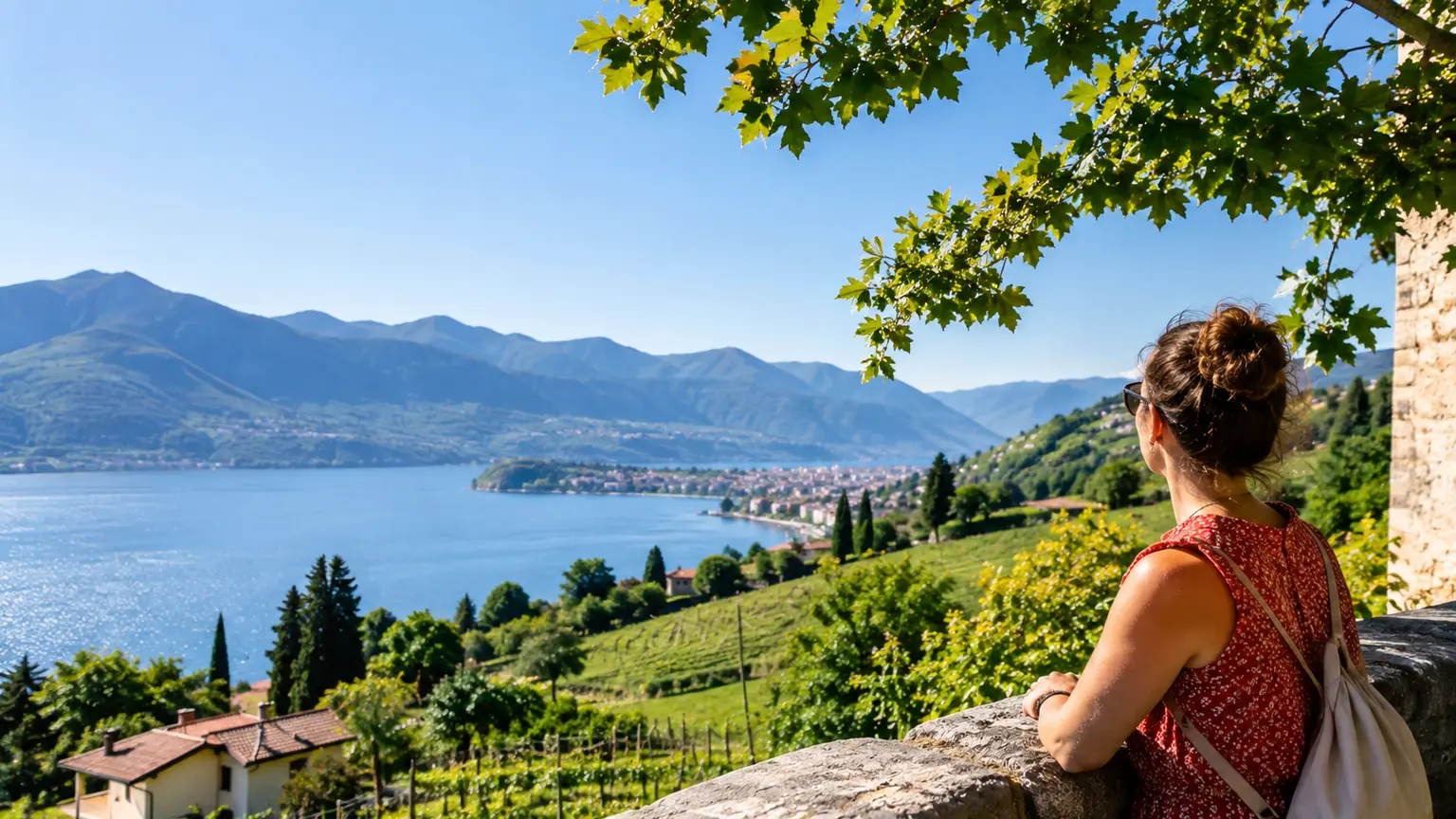
The most interesting undertourism destinations for 2027 are places that offer compelling reasons to visit without the visitor pressure associated with many famous tourist hotspots. From Latvia's Baltic coast and Romania's traditional villages to Sri Lanka's tea-growing highlands and Japan's quieter mountain regions, these destinations provide alternatives to familiar vacation routes.
Undertourism is not simply about finding somewhere with fewer tourists. It is about choosing places where tourism can bring meaningful economic benefits without overwhelming local communities, infrastructure, or natural environments. The best choices already have enough accommodation, transportation, and visitor services to support a rewarding trip.
That distinction is becoming increasingly relevant for 2027. Popular European capitals, famous island resorts, and internationally recognized natural attractions continue to attract large numbers of visitors, while other destinations with comparable cultural or scenic appeal receive less attention.
However, choosing a lesser-known destination involves trade-offs. Transportation may take longer, accommodation choices may be limited, and some places become busy during local festivals or peak seasons despite receiving relatively few visitors overall.
These 11 destinations stand out for different reasons: some are accessible and affordable, others reward adventurous travelers, and several have specific developments making 2027 an especially interesting year to visit.
What Is Undertourism and Why Does It Matter in 2027?
Undertourism describes travel to places that receive relatively few visitors compared with their tourism potential or better-known alternatives. It is often discussed as a response to overtourism, where high visitor concentrations create pressure on housing, transport, public spaces, and the environment.
The important difference is that undertourism does not automatically mean remote, undiscovered, or inexpensive.
A small mountain village may have far fewer visitors than a major city while also having very limited capacity to accommodate additional tourists. Sending large numbers of travelers there could create problems rather than solve them.
A better undertourism strategy prioritizes destinations that welcome visitors, provide appropriate infrastructure, and offer opportunities for tourism spending to reach local businesses.
For 2027, this approach is gaining additional relevance as travelers look beyond famous capitals and established vacation resorts. Interest is expanding toward secondary towns, rural regions, smaller islands, and communities offering distinctive cultural experiences.
The goal is not to find the next overcrowded destination. It is to explore worthwhile places without concentrating every vacation in the same famous locations.
Best Undertourism Destinations for 2027 at a Glance
The best undertourism destinations for 2027 include Liepaja for culture, Alonnisos for quiet beaches, Dalsland for outdoor recreation, and Mestia for mountain scenery. Travelers interested in longer adventures should also consider Chilean Patagonia, Sri Lanka's tea country, and Canada's Yukon.
These places vary substantially in affordability and accessibility. A quieter destination is not always a cheaper destination, particularly when flights, private transportation, ferries, or guided activities are necessary.
The following comparison helps narrow the choices before examining each destination in detail.
|
Destination |
Country |
Best time to visit |
Ideal stay |
Local cost level |
Travel effort |
|
Liepaja |
Latvia |
May–September; cultural events throughout 2027 |
2–3 days |
Low–medium |
Easy–moderate |
|
Alonnisos |
Greece |
May–June, September |
4–6 days |
Medium |
Moderate |
|
Dalsland |
Sweden |
June–September |
3–6 days |
Medium–high |
Moderate |
|
Maramures |
Romania |
May–October |
3–4 days |
Low–medium |
Moderate |
|
Mestia |
Georgia |
June–September |
3–5 days |
Low–medium |
Moderate–difficult |
|
Toyama |
Japan |
April–June, September–November |
3–4 days |
Medium–high |
Easy–moderate |
|
Sri Lanka's Pekoe Trail |
Sri Lanka |
Varies by stage and monsoon conditions |
3–7 days |
Low–medium |
Moderate |
|
Sumba |
Indonesia |
May–October |
5–7 days |
Medium–high |
Difficult |
|
Whitehorse |
Canada |
June–September for hiking; late August–April for auroras |
4–6 days |
High |
Moderate |
|
Carretera Austral |
Chile |
December–March |
7–14 days |
Medium–high |
Difficult |
|
Samburu |
Kenya |
June–September; January–February |
3–4 days |
High |
Difficult |
Cost levels compare typical expenses after arrival, excluding international flights. They are relative planning categories rather than verified 2027 prices. Accommodation, organized excursions, transport, and peak-season demand can change the final budget considerably.
For a relatively straightforward first undertourism trip, Liepaja, Maramures, and Toyama are useful starting points. Travelers prepared for more complicated logistics can find exceptional experiences in Mestia, Sumba, and Chilean Patagonia.
1. Liepaja, Latvia – A Baltic City With a Major Reason to Visit in 2027
Liepaja is one of the most timely undertourism destinations for 2027 because it will hold the title of European Capital of Culture. The city combines Baltic beaches, distinctive architecture, military history, and a growing cultural scene without the international recognition of Europe's most famous coastal destinations.
Located on Latvia's western coast, Liepaja offers a very different experience from Mediterranean resort towns. Wide sandy beaches, residential streets, former industrial areas, and historic buildings create a setting that rewards exploration beyond the waterfront.
One of the city's most recognizable cultural landmarks is the Great Amber Concert Hall, while the former naval district of Karosta provides a fascinating introduction to its military and maritime history.
Liepaja Beach is another major attraction. Its broad shoreline offers plenty of space for walking, swimming in suitable conditions, and enjoying long summer evenings.
Why Liepaja Is Especially Interesting in 2027
Liepaja's European Capital of Culture program will bring more than 500 cultural and artistic events to the city and surrounding regions during 2027. The official opening celebrations are scheduled for January 22–23, while the international choral festival Europa Cantat will take place from August 9–15.
This creates an unusual opportunity to visit a lesser-known city during a major cultural year.
However, Liepaja will not be equally quiet throughout 2027. Large performances and festivals may attract substantial crowds and increase accommodation demand, particularly during the opening weekend and major summer events.
Visitors seeking a calmer trip should consider weekdays outside the largest festival dates.
How to Visit Liepaja Without Overspending
Liepaja is accessible by road from Riga, and intercity buses are a practical option for travelers without a car. Its central streets and beach areas can be explored largely on foot, although some attractions require local transportation.
Spend two days in the city and add another day for nearby coastal or cultural stops if time permits.
Best for: Culture, architecture, Baltic beaches, and affordable European city breaks.
Main trade-off: The cultural calendar that makes Liepaja attractive in 2027 can also create temporary crowding.
2. Alonnisos, Greece – A Quieter Greek Island With Remarkable Marine Life
Alonnisos is one of the best undertourism destinations for travelers who want Greek island scenery without choosing the country's most internationally promoted resort locations. Part of the Northern Sporades island group, it combines pine-covered hills, clear water, traditional villages, and protected marine environments.
The island's atmosphere differs from destinations built around large beach clubs and late-night entertainment.
Patitiri, its main harbor, is a convenient arrival point, while the historic hilltop settlement of Old Alonnisos offers narrow streets, stone houses, and expansive coastal views.
The island is also associated with the National Marine Park of Alonnisos and the Northern Sporades, an important protected environment for marine wildlife, including the endangered Mediterranean monk seal.
What Makes Alonnisos Different From Santorini or Mykonos?
Alonnisos is better suited to travelers who prioritize swimming, walking, local restaurants, and nature over luxury nightlife. Its coastline includes small coves, rocky beaches, and scenic areas such as Agios Dimitrios and Kokkinokastro.
The island also has an extensive hiking network connecting villages, chapels, forests, and coastal viewpoints.
Unlike larger and more developed islands, Alonnisos rewards a slower schedule. Four to six days allow time for beaches, village visits, short hikes, and a boat excursion when conditions permit.
Marine conservation rules must be respected. Visitors should not approach protected wildlife or assume every small island and marine area is freely accessible.
How to Get to Alonnisos in 2027
Alonnisos does not have its own commercial airport. Travelers generally arrive by ferry, with Skiathos serving as one possible connection through its airport and ferry network.
Ferry availability and journey times depend on the departure port, operator, and season.
The island is particularly appealing in late May, June, and September, when conditions can be suitable for swimming and walking without the intensity of the busiest summer weeks.
Best for: Couples, quieter beach vacations, hiking, and marine nature.
Main trade-off: Ferry schedules, seasonal services, and the limited nightlife may not suit travelers expecting a highly developed resort destination.
3. Dalsland, Sweden – A Lake Country Alternative to Famous Mountain Escapes
Dalsland is one of the most rewarding undertourism destinations for outdoor travelers who prefer lakes, forests, and small communities to crowded viewpoints. Located in western Sweden near the Norwegian border, the region provides extensive opportunities for canoeing, cycling, hiking, and nature-focused vacations.
Its defining feature is water.
Dalsland contains a network of lakes, streams, and canals that supports both short paddling excursions and longer journeys through relatively undeveloped landscapes.
The historic Dalsland Canal and its aqueduct at Haverud are among the region's most distinctive attractions. Visitors can combine the canal with woodland trails, lakeside accommodation, and small-town stops.
Is Dalsland a Good Alternative to Norway's Famous Fjords?
Dalsland is a worthwhile alternative for travelers whose priority is outdoor recreation rather than dramatic coastal cliffs. Its appeal lies in sheltered lakes, forests, paddling routes, and quieter rural surroundings.
The landscapes are different from Norway's famous fjords, so the two experiences should not be treated as interchangeable.
A typical trip might include canoeing on one day, a woodland hike on another, and an afternoon exploring the canal.
Travelers interested in overnight canoeing should plan carefully around weather, equipment, campsite availability, and local access rules.
How Much Does a Dalsland Trip Cost?
Dalsland is not automatically a budget destination because Swedish accommodation, food, and equipment rental can be relatively expensive.
However, camping and self-catering cabins can reduce expenses compared with hotels.
A rental car can simplify access to trailheads and accommodation, although selected towns are reachable using rail and bus connections.
For most visitors, June through September offers the most practical conditions for outdoor activities, with warmer weather and longer daylight.
Best for: Canoeing, camping, cycling, hiking, and peaceful nature vacations.
Main trade-off: Public transportation is less convenient in rural areas, and equipment rental can increase the overall budget.
4. Maramures, Romania – Traditional Villages and Wooden Churches
Maramures is one of Europe's most compelling undertourism destinations for travelers interested in traditional architecture, rural heritage, and landscapes shaped by everyday village life. Located in northern Romania, the region offers a slower and more dispersed experience than the country's best-known castle and city itineraries.
Its most distinctive landmarks include historic wooden churches with exceptionally tall, slender towers.
Eight Wooden Churches of Maramures are recognized as UNESCO World Heritage Sites, reflecting the region's architectural craftsmanship and religious heritage.
The area also contains traditional houses, intricately carved wooden gates, agricultural landscapes, and communities where local customs remain significant.
Rather than concentrating on a single famous attraction, a Maramures trip works best as a journey between villages.
What Should You See in Maramures?
The wooden churches are essential, but they should be combined with villages and local landscapes rather than treated as a checklist.
The Merry Cemetery in Sapanta is one of the region's most unusual attractions, with colorful carved wooden crosses featuring personal stories and images.
The Vaser Valley Forest Railway is another well-known experience, offering a journey through forested mountain scenery on a heritage railway service.
For travelers interested in Romania beyond its most visited destinations, a broader itinerary can combine Maramures with the northern region of Bucovina.
More route options, including historic towns and rural areas, are covered in the guide to 17 places to visit in Romania.
Is Maramures Easy to Explore Without a Car?
Exploring rural Maramures is considerably easier with a car or arranged transportation because attractions are distributed across multiple villages.
Public buses and rail services exist, but reaching several dispersed churches in one day can be difficult.
Allow at least three days and consider staying in a locally operated guesthouse. This provides more opportunities to experience regional food and rural hospitality while keeping spending within the destination.
Best for: Cultural heritage, village stays, architecture, and road trips.
Main trade-off: Transport between attractions takes time, and a very short visit misses much of the region's appeal.
5. Mestia, Georgia – A Mountain Escape Beyond the Famous Alpine Routes
Mestia is one of the strongest undertourism destinations for travelers who want mountain scenery, historic villages, and hiking without choosing a heavily developed Alpine resort. Located in Georgia's Upper Svaneti region, the town serves as a gateway to valleys, mountain trails, and settlements known for their medieval defensive towers.
The setting is dramatic.
High mountain peaks surround the valleys, while clusters of stone towers give the region an architectural character unlike the European Alps.
Mestia offers guesthouses, restaurants, hiking services, and local transportation options. However, exploring beyond town often requires careful planning, particularly when reaching remote villages or starting multi-day hikes.
What Can You Do in Mestia?
Mestia provides access to scenic day hikes, mountain viewpoints, traditional settlements, and longer trekking routes.
One of the area's most celebrated hikes connects Mestia with Ushguli over approximately four days. The route passes through several villages and mountainous landscapes, with guesthouse accommodation available along the way.
The full trek is physically demanding and requires appropriate equipment, route information, and attention to mountain weather.
Shorter excursions are possible for travelers who do not want a multi-day trek.
Mestia is not empty during peak hiking season. July and August attract considerable trekking activity, and popular routes may be busy despite the region's lower international profile.
How to Reach Mestia
Travelers commonly reach Mestia by road through Zugdidi. The final mountain journey takes several hours and can be affected by winter weather.
Small aircraft services have also operated on certain routes, but mountain flights are weather-dependent and should not form the only reliable connection in a tightly scheduled itinerary.
Allow three to five nights, especially if hiking is a major priority.
Best for: Mountain hiking, photography, traditional villages, and active travel.
Main trade-off: Long transfers, unpredictable weather, and mountain safety requirements make this unsuitable as a casual short city break.
6. Toyama, Japan – The Japan Alternative That Combines Culture and Mountains
Toyama is one of the most accessible undertourism destinations for travelers looking beyond Japan's most internationally visited cities. Located on the Sea of Japan side of central Honshu, Toyama combines urban conveniences with access to major mountain landscapes and distinctive regional culture.
The city provides a useful contrast to Tokyo, Kyoto, and Osaka.
Visitors can explore local food, museums, parks, and nearby historic towns while using established Japanese transportation infrastructure.
Toyama is particularly appealing because it can function as a base rather than requiring accommodation in a remote mountain village.
What Makes Toyama Worth Visiting?
Toyama offers convenient access to the Tateyama Kurobe Alpine Route, a mountain journey using several forms of transportation to cross spectacular high-altitude scenery.
The route is especially famous for its spring snow corridor and autumn mountain foliage.
However, this is an important example of how undertourism requires careful interpretation.
The Alpine Route itself can become busy during its most celebrated seasonal periods, even if Toyama receives less international attention than Kyoto or Tokyo.
Travelers seeking a quieter experience should spend time exploring Toyama City and nearby destinations rather than treating the entire prefecture as one famous excursion.
The city's glass art and regional seafood provide worthwhile alternatives when mountain conditions are unsuitable.
When Is the Best Time to Visit Toyama in 2027?
Spring and autumn are particularly attractive, but the correct dates depend on the intended activity.
The Tateyama Kurobe Alpine Route normally operates from around mid-April to late November. Its snow corridor is most prominent from the spring opening through early summer, while mountain foliage changes with elevation during autumn.
Winter closures make it unsuitable for travelers assuming the full mountain crossing operates year-round.
Toyama is connected to Tokyo by high-speed rail, allowing it to fit into a wider Japanese itinerary.
Best for: Japanese culture, mountain scenery, public transportation, and regional food.
Main trade-off: Major mountain attractions can be expensive and crowded during peak dates, despite Toyama's quieter reputation.
7. Sri Lanka's Pekoe Trail – Slow Travel Through Tea Country
Sri Lanka's Pekoe Trail is one of the most interesting undertourism destinations for 2027 because it encourages travelers to explore the country's central highlands on foot. The route crosses tea-growing landscapes, villages, forests, and historic mountain areas rather than concentrating visitors in a single resort or famous viewpoint.
The trail extends approximately 300 kilometers across 22 stages.
It connects different sections of Sri Lanka's hill country, passing tea estates, local communities, and mountain scenery.
Travelers can complete individual stages or combine several into a longer hiking itinerary. This makes the experience flexible enough for visitors who do not have several weeks available.
Do You Need to Hike the Entire Pekoe Trail?
No. The route is divided into stages, allowing travelers to select sections suited to their fitness level, schedule, and transportation arrangements.
A three- to five-day trip can combine day hikes with guesthouse stays, local meals, and visits to tea-growing communities.
However, not every stage should be assumed to be available throughout the year.
As of October 2026, Stage 2 is temporarily closed, and multiple other stages have weather-related advisories. Travelers planning for 2027 must check current trail conditions rather than rely on an outdated route description.
Heavy rain, landslides, and muddy paths can affect safety and accessibility.
Is the Pekoe Trail Good for Budget Travelers?
Sri Lanka can offer relatively affordable food and guesthouse accommodation, especially compared with many European hiking destinations.
However, a guided multi-day experience, private transfers, and specialized accommodation may increase the cost significantly.
Hiring local guides where appropriate can improve navigation and provide direct economic benefits to communities along the route.
The best season varies with the particular stage and regional rainfall patterns.
You may also be interested in our article: Where Is Hot in Europe in December 2026? These 12 Places Still Feel Like an Escape
Best for: Hiking, tea landscapes, cultural experiences, and slow travel.
Main trade-off: Seasonal rainfall, trail closures, and transportation between trailheads require careful preparation.
8. Sumba, Indonesia – A Different Kind of Island Escape
Sumba is one of the most distinctive undertourism destinations for travelers who want an Indonesian island experience unlike Bali's established tourism centers. Its appeal lies in wild beaches, traditional villages, open landscapes, and cultural traditions that are not organized primarily around international tourism.
The island is known for its traditional architecture, dramatic coastal scenery, waterfalls, and wide savanna landscapes.
Travelers can spend time exploring different regions rather than following a dense circuit of beach clubs and restaurants.
However, Sumba should not be treated as an inexpensive or effortless substitute for Bali.
Road journeys can be slow, accommodation is unevenly distributed, and transportation may require a driver or careful planning.
Why Choose Sumba Instead of Bali?
Sumba is better suited to travelers interested in landscapes, cultural exploration, and quiet accommodation rather than nightlife and extensive tourist services.
The island's cultural identity also differs significantly from Bali's. Traditional Sumbanese architecture, village life, and local beliefs deserve attention in their own right.
Visitors should ask permission before photographing residents, homes, or ceremonies, and follow guidance at culturally significant sites.
A quieter island does not automatically mean unrestricted access to every village, beach, or cultural event.
Is Sumba One of the Cheapest Undertourism Destinations?
Not necessarily. While some local accommodation can be affordable, transport and remote lodging can increase expenses.
High-end resorts also operate on Sumba, so the island serves both luxury travelers and visitors prepared for simpler accommodation.
For a wider comparison of Indonesian destinations offering different experiences from Bali, explore the guide to the best Bali alternatives for 2027.
Best for: Couples, photography, quieter coastlines, and cultural travel.
Main trade-off: Limited infrastructure and longer transfers make Sumba less convenient than mainstream Indonesian resort destinations.
9. Whitehorse, Canada – Northern Wilderness Without a Crowded Resort Town
Whitehorse is one of the most practical undertourism destinations for experiencing Canada's northern landscapes with access to established urban services. Located in Yukon, it combines a small-city base with opportunities for wilderness excursions, northern lights viewing, and outdoor activities.
The city is especially useful for travelers who want dramatic natural environments without spending every night in remote accommodation.
From Whitehorse, visitors can explore nearby trails, lakes, cultural attractions, and parts of the surrounding Yukon landscape.
The destination is also associated with northern lights tourism, particularly during the darker months.
When Can You See the Northern Lights in Whitehorse?
The northern lights are generally visible in Yukon from late August through approximately mid-April when weather and solar conditions cooperate.
The extended darkness of winter creates more viewing opportunities, but temperatures can become extremely cold.
Late August and September provide a different experience, combining autumn landscapes with the return of sufficiently dark nights.
Aurora sightings are never guaranteed.
A clear sky, suitable solar activity, and distance from bright urban lighting are important factors.
For travelers planning a northern lights vacation, several nights offer a more realistic opportunity than a single evening.
How Expensive Is a Whitehorse Trip?
Whitehorse is not a particularly cheap destination, especially when accommodation, rental vehicles, and organized outdoor excursions are included.
However, travelers who value hiking and scenery can plan some lower-cost activities around public areas and accessible trails.
A rental car may be useful for exploring beyond the city, while winter driving requires appropriate preparation.
Best for: Northern lights, wilderness scenery, hiking, and outdoor adventure.
Main trade-off: Flights, accommodation, cold-weather equipment, and guided activities can make the trip expensive.
10. Carretera Austral, Chile – Patagonia Beyond the Most Famous Trekking Routes
Chile's Carretera Austral is one of the most spectacular undertourism destinations for travelers willing to dedicate time to a long and occasionally challenging road journey. The route extends for more than 1,200 kilometers through Chilean Patagonia, connecting fjords, forests, rivers, glaciers, and remote settlements.
Rather than concentrating on a single famous national park, this journey reveals a broader range of Patagonian landscapes.
The road passes areas such as Puyuhuapi, Queulat National Park, Coyhaique, and Puerto Rio Tranquilo.
Travelers can explore turquoise lakes, mountain scenery, glacier viewpoints, and small communities along the route.
However, its geographic scale means that a short trip cannot realistically cover the entire corridor.
How Many Days Do You Need for the Carretera Austral?
A full Carretera Austral journey is best approached as a substantial road trip of approximately two weeks or longer.
Travelers with seven to ten days should concentrate on a particular section rather than attempt to reach every major attraction.
A shorter itinerary might begin near Balmaceda Airport, continue through Coyhaique, and focus on selected parks and lakes in the surrounding region.
Some sections of the road remain unpaved, and certain journeys require ferry crossings.
Weather, limited fuel availability, and transportation schedules should be considered carefully.
When Should You Visit Chilean Patagonia?
December through March generally offers the most practical conditions for exploring the Carretera Austral, with longer daylight and comparatively favorable summer weather.
That does not mean every day will be dry or warm.
Wind, rain, cold conditions, and road disruptions remain possible even in summer.
For travelers comparing other South American destinations during the shoulder season, the guide to places to visit in Latin America in October explains how spring conditions differ across the continent.
Best for: Road trips, hiking, glaciers, photography, and adventurous independent travel.
Main trade-off: Long distances, changeable weather, ferry logistics, and limited services make the route unsuitable for rushed itineraries.
11. Samburu, Kenya – A Different Safari Experience in Northern Kenya
Samburu is an undertourism destination for travelers interested in wildlife and community-focused safari experiences beyond Kenya's most internationally recognized safari circuits. Located in northern Kenya, Samburu National Reserve protects a dry landscape associated with the Ewaso Nyiro River and wildlife adapted to semi-arid conditions.
The reserve is known for animals such as Grevy's zebra, reticulated giraffe, and gerenuk, alongside elephants and other wildlife.
Its setting differs from the open grassland landscapes many travelers associate with East African safaris.
A safari here can combine wildlife viewing with a broader understanding of northern Kenya's ecology and communities.
Is Samburu Less Crowded Than the Masai Mara?
Samburu generally has a smaller international tourism profile than the Masai Mara, but that does not guarantee an empty reserve or uninterrupted wildlife sightings.
Vehicle concentrations can still occur around particularly interesting wildlife encounters.
The better reason to consider Samburu is its distinct environment and wildlife, rather than the promise of seeing animals without any other tourists.
A stay of three to four nights can provide time for several game drives without making the experience unnecessarily rushed.
Is Samburu Suitable for a Budget Safari?
Samburu is usually a relatively expensive undertourism option. Reserve admission, transportation, accommodation, and guided game drives can create substantial costs.
A private vehicle and guide may make the experience more expensive than a shared organized itinerary.
Travelers should also review current government travel advisories before booking.
In October 2026, the US government classified Kenya at Level 3, advising travelers to reconsider travel because of multiple security and health risks. Conditions and restrictions vary across the country, and the advisory must be reviewed again before any 2027 trip.
Best for: Wildlife, photography, specialist safaris, and nature-focused travel.
Main trade-off: High costs, regional security considerations, and substantial transportation requirements.
Which Undertourism Destinations Are Best for Different Travelers?
The best undertourism destinations depend on the type of experience the traveler wants. A quiet beach vacation, cultural city break, and mountain expedition require completely different decisions about season, budget, and transportation.
The following comparison highlights the strongest matches rather than treating all lesser-known places as interchangeable.
|
Travel style |
Best choice |
Why it works |
|
Affordable cultural city break |
Liepaja |
Walkable city, beaches, cultural events |
|
Quiet Greek island holiday |
Alonnisos |
Smaller settlements, swimming, hiking |
|
Canoeing and camping |
Dalsland |
Lakes, forests, waterways |
|
Traditional European villages |
Maramures |
Historic churches and rural heritage |
|
Mountain trekking |
Mestia |
Caucasus landscapes and guesthouses |
|
Japan beyond major cities |
Toyama |
Rail access, culture, mountain trips |
|
Multi-day hiking |
Pekoe Trail |
Flexible routes through tea country |
|
Remote tropical scenery |
Sumba |
Traditional villages and wild coastlines |
|
Northern lights |
Whitehorse |
Established base for Yukon excursions |
|
Long scenic road trip |
Carretera Austral |
Glaciers, forests, and remote landscapes |
|
Specialist wildlife safari |
Samburu |
Distinctive semi-arid wildlife habitat |
For travelers seeking convenience, Liepaja and Toyama are easier starting points than remote island or mountain destinations.
For visitors who want a journey built around nature, the trip length and transportation requirements become more important than simply finding somewhere described as underrated.
Are Undertourism Destinations Actually Cheaper Than Tourist Hotspots?
Undertourism destinations can be cheaper than famous tourist hotspots, but the difference depends on transportation, accommodation supply, and the experiences planned. Lower visitor numbers do not guarantee lower prices, particularly in remote regions.
Maramures and parts of Sri Lanka can offer relatively affordable guesthouse stays and food.
By contrast, Whitehorse, Samburu, and remote Indonesian islands can require expensive flights, rental vehicles, or organized activities.
The most useful budget calculation includes the total cost of reaching and exploring a destination.
A $50 guesthouse is not automatically a bargain if reaching it requires a costly private transfer. Similarly, a more expensive accommodation option near established public transportation may be the better overall value.
How to Build a Realistic Undertourism Travel Budget
A realistic budget starts with the trip's unavoidable costs rather than accommodation alone. International flights, onward transfers, and specialized activities may account for a substantial share of expenses in less-visited regions.
Before choosing a destination, calculate the following:
- International and regional transportation. Include connecting flights, trains, ferries, and transfers to the final accommodation.
- Accommodation for the full stay. Compare guesthouses, apartments, hotels, and camping options using the same travel dates.
- Daily food expenses. Consider whether self-catering is available and how many restaurants operate nearby.
- Local transportation. Include rental cars, fuel, taxis, buses, and required drivers.
- Activities and permits. Account for guides, national park admission, equipment rental, and organized excursions.
- Travel insurance and contingency funds. Allow for medical coverage, delays, cancellations, and remote-area emergencies.
A destination with fewer attractions requiring tickets may offer excellent value, but only if transportation expenses remain manageable.
The cheapest undertourism trip is usually the one that avoids unnecessary movement between distant locations.
When Is the Best Time to Visit Undertourism Destinations in 2027?
The best time to visit undertourism destinations depends on regional weather, transport availability, and local event calendars. Traveling outside peak tourist periods can reduce crowding, but the lowest-demand month may also be the least suitable season.
For European destinations, late spring and early fall often offer a useful balance between comfortable weather and reduced holiday demand.
The situation changes in mountain and remote regions.
Mestia's higher hiking routes are most accessible during summer. The Carretera Austral is easier to explore during the Southern Hemisphere summer, while Sri Lanka's central highlands require attention to monsoon patterns and individual trail conditions.
The following seasonal guide provides a useful starting point.
|
Season |
Destinations to prioritize |
Important consideration |
|
January–March |
Carretera Austral, selected Sri Lanka highland routes |
Patagonia summer; check Sri Lanka trail conditions |
|
April–May |
Toyama, Maramures, northern Jordan if advisories permit |
Mountain snow and regional safety conditions |
|
June–August |
Dalsland, Alonnisos, Mestia, Whitehorse |
Summer access, but popular weeks can still be busy |
|
September–October |
Alonnisos, Liepaja, Maramures, Toyama, Sumba |
Shoulder-season conditions vary |
|
November–December |
Selected Sri Lanka routes, Whitehorse for auroras |
Rainfall, cold weather, and seasonal closures |
The ideal travel period is rarely identical across an entire country.
A quieter month may also mean fewer ferry departures, closed mountain routes, reduced accommodation choices, or more difficult weather.
How to Plan an Undertourism Trip Without Making It Complicated
Planning an undertourism trip is easiest when the itinerary is built around one region rather than a collection of distant landmarks. This reduces transportation costs, allows more flexibility, and provides time to experience the destination beyond its best-known attractions.
A short stay in Liepaja or Toyama can work well as part of a wider journey.
More remote destinations such as Sumba or the Carretera Austral require longer itineraries because reaching them takes substantial effort.
Travelers planning a European journey with multiple regions can use the three-week Europe itinerary as a starting point for understanding how much time to allocate between destinations.
Three Practical Undertourism Itinerary Ideas for 2027
The following routes provide realistic ways to explore lesser-visited regions without trying to cross several countries in a short vacation.
Baltic culture and coast – 5 to 7 days
Begin in Riga, travel to Liepaja for two or three nights, and continue exploring Latvia's western coast or nearby cultural towns.
This itinerary suits visitors who want architecture, cultural events, and coastal scenery without complicated international transfers.
Northern Romania heritage – 7 to 10 days
Use a northern Romanian city as the arrival point, spend three or four nights exploring Maramures, and continue toward Bucovina if time allows.
A rental car or carefully arranged transfers make the rural sections easier to explore.
Japanese culture and mountains – 7 to 10 days
Combine Toyama with nearby regional destinations and an Alpine Route excursion when seasonal access permits.
This provides an alternative to spending the entire vacation in Tokyo, Kyoto, and Osaka.
Each route allows a manageable balance of transportation and actual sightseeing time.
How to Travel Responsibly to Lesser-Known Destinations
Responsible undertourism means visiting places in ways that support local communities without creating the same pressures found in heavily visited destinations. The approach matters as much as the destination itself.
A quieter place can still have fragile ecosystems, limited waste-management capacity, and communities that do not want uncontrolled tourism growth.
Visitors should respect local expectations rather than assume that low visitor numbers make a destination available for unrestricted exploration.
Practical habits include:
- Stay longer in fewer places. This reduces repeated travel and gives local businesses more opportunities to benefit.
- Use locally operated accommodation. Guesthouses and smaller properties can help distribute tourism spending.
- Respect protected areas. Follow wildlife-viewing rules, trail restrictions, and marine conservation requirements.
- Visit during suitable seasons. Avoid traveling when weather creates unnecessary safety or environmental risks.
- Respect residential communities. Ask permission before photographing people or entering private property.
- Avoid promoting fragile locations carelessly. Not every remote beach, cave, or village is suitable for large visitor numbers.
- Spend beyond accommodation. Local restaurants, guides, markets, and workshops can benefit from visitor spending.
These decisions are particularly important in mountain villages, small islands, and wildlife reserves, where the capacity to absorb additional tourism may be limited.
Can Undertourism Become Overtourism?
Yes. An undertourism destination can experience overtourism if visitor numbers increase rapidly without corresponding infrastructure, management, and community involvement. A place may be quiet for most of the year but overcrowded during a festival, holiday weekend, or popular seasonal event.
Liepaja illustrates one version of this challenge.
Its European Capital of Culture program creates an opportunity to attract more visitors and support local cultural businesses, but major events can still concentrate demand into particular days.
Mountain and island destinations face different pressures.
A remote hiking trail may experience erosion or waste problems long before its visitor numbers approach those of a famous European city.
The practical solution is not to stop exploring lesser-known places. It is to choose destinations carefully, respect capacity limits, travel outside the busiest periods where appropriate, and avoid treating every location as a place that must become internationally famous.
Undertourism works best when tourism growth remains compatible with the needs of the communities and environments receiving visitors.
Which Undertourism Destinations Are Worth Choosing for 2027?
The strongest undertourism destinations for 2027 are those that offer something genuinely distinctive rather than simply promising smaller crowds.
Liepaja stands out because its European Capital of Culture year creates a specific reason to visit. Alonnisos offers a quieter Greek island vacation, while Dalsland appeals to travelers looking for lake-based recreation and woodland landscapes.
Maramures provides cultural heritage that deserves more time than a quick stop, and Mestia offers a mountain experience shaped by the history and geography of the Caucasus.
Toyama is particularly practical for visitors to Japan who want to explore beyond the most familiar cities without sacrificing transportation convenience.
For travelers seeking longer adventures, Sri Lanka's Pekoe Trail, Sumba, Whitehorse, and the Carretera Austral provide very different kinds of scenery and exploration.
Samburu offers a distinctive wildlife experience, although cost and current travel advisories require careful consideration.
The most successful 2027 trip will not necessarily be the one that reaches the least-visited place on a map.
It will be the journey where the destination, season, budget, and travel style fit together – allowing more time to explore and fewer compromises once the trip begins.
FAQ About Undertourism Destinations in 2027
What are undertourism destinations?
Undertourism destinations are places that receive relatively few visitors compared with their tourism potential or better-known alternatives. They may include smaller cities, rural regions, islands, and natural areas where visitor infrastructure exists but tourism is less concentrated.
What are the best undertourism destinations for 2027?
The best undertourism destinations for 2027 include Liepaja in Latvia, Alonnisos in Greece, Dalsland in Sweden, Maramures in Romania, Mestia in Georgia, Toyama in Japan, and Sri Lanka's Pekoe Trail. Each offers different attractions and practical considerations.
What is the difference between overtourism and undertourism?
Overtourism occurs when visitor concentrations place excessive pressure on destinations, residents, or natural resources. Undertourism describes places receiving relatively few visitors compared with their potential. Neither term is determined by a universal visitor-number threshold.
Are undertourism destinations cheaper to visit?
Some undertourism destinations are affordable, particularly areas with inexpensive guesthouses and local transportation. Others are costly because of remote locations, limited flights, or specialized activities. The total travel budget matters more than the price of accommodation alone.
Which undertourism destinations in Europe are best for 2027?
Liepaja, Alonnisos, Dalsland, and Maramures are strong European choices. Liepaja is particularly timely because of its European Capital of Culture program, while the others offer quieter beaches, outdoor activities, or traditional rural heritage.
Are undertourism destinations safe for solo travelers?
Safety depends on the destination, individual circumstances, and current conditions. Some lesser-visited cities have well-established transportation and accommodation, while remote mountain regions require additional preparation. Travelers should review current official travel advisories and local conditions before departure.
When should you book undertourism destinations for 2027?
Book earlier for destinations with limited accommodation, seasonal transportation, or major cultural events. For Liepaja, festival dates may increase demand, while remote islands and mountain regions require attention to ferry schedules, weather conditions, and seasonal service availability.
Can undertourism help local communities?
Yes, when visitors use local businesses, respect community priorities, and avoid overwhelming fragile environments. Tourism can support accommodation providers, restaurants, guides, and cultural activities, but unmanaged growth can create environmental and social pressures.
Are undertourism destinations suitable for families?
Some are, particularly accessible destinations such as Liepaja, Toyama, and selected areas of Alonnisos. Remote hiking routes, demanding road trips, and specialist safaris require more careful planning around transportation, medical access, accommodation, and children's needs.
Is undertourism the same as sustainable tourism?
No. Undertourism describes relatively low visitor numbers, while sustainable tourism considers environmental, social, and economic impacts. Visiting a less-crowded destination is not automatically sustainable, especially when transportation emissions or pressure on fragile ecosystems are high.