Home Destinations23 Free Things to Do in Berlin That Are Actually Worth Your Time
Destinations23 Free Things to Do in Berlin That Are Actually Worth Your Time
Berlin has something many major European capitals struggle to offer: world-famous landmarks, substantial museums, historical exhibitions, and unusual public spaces that genuinely cost nothing to visit. The Brandenburg Gate is free, but so is the glass dome of the Reichstag, provided a place is reserved in advance. Some of the city's most important museums also admit visitors without charging an entrance fee.
The best free things to do in Berlin are not always the most photographed. A former East German border checkpoint near Friedrichstraße station tells the stories of divided families, while a museum in Prenzlauer Berg reveals what ordinary life looked like behind the Berlin Wall. At an abandoned airport, visitors can walk along actual runways without buying a ticket.
There is one complication: older guides often describe attractions as free when their admission policies have changed. Berlin's popular Museum Sunday program ended in December 2024, and the Humboldt Forum now charges for several exhibitions that previously had free admission.
A first-time visitor can comfortably spend two full days exploring Berlin without paying a single attraction admission fee. The only necessary expenses may be food, accommodation, and public transportation.
This guide covers 23 worthwhile free Berlin attractions, organized by neighborhood and interest. It explains which places require reservations, which museums are genuinely free, how much time each stop needs, and how to combine them into manageable walking itineraries.
The best free things to do in Berlin include the Reichstag dome, Brandenburg Gate, Berlin Wall Memorial, East Side Gallery, Topography of Terror, and several permanently free museums. Which ones deserve priority depends on whether the visit focuses on history, architecture, art, or outdoor activities.
The following comparison separates attractions with completely open access from those requiring registration or operating during limited hours.
|
Free attraction |
Neighborhood or area |
Suggested time |
What to know |
|
Reichstag dome |
Mitte |
45–75 min |
Free registration required |
|
Brandenburg Gate |
Mitte |
15–30 min |
Open public landmark |
|
Memorial to the Murdered Jews of Europe |
Mitte |
30–75 min |
Outdoor memorial and free information center |
|
Tiergarten |
Mitte/Tiergarten |
45–90 min |
Free public park |
|
Futurium |
Government district |
60–90 min |
Free museum; closed Tuesdays |
|
Tränenpalast |
Friedrichstraße |
45–60 min |
Free Cold War museum |
|
Bebelplatz |
Mitte |
15–30 min |
Book-burning memorial |
|
Museum Island exteriors |
Mitte |
30–60 min |
Grounds free; most museums paid |
|
Humboldt Forum free areas |
Mitte |
30–60 min |
Selected exhibitions and public spaces only |
|
Hackesche Höfe |
Mitte |
20–40 min |
Historic courtyard complex |
|
Berlin Wall Memorial |
Gesundbrunnen/Mitte |
60–90 min |
Free outdoor and indoor exhibitions |
|
Museum in der Kulturbrauerei |
Prenzlauer Berg |
45–75 min |
Free East German history museum |
|
Topography of Terror |
Kreuzberg |
60–120 min |
Free documentation center |
|
Checkpoint Charlie exterior |
Kreuzberg/Mitte |
15–25 min |
Street-level sights free; museum paid |
|
Jewish Museum Berlin |
Kreuzberg |
90–120 min |
Core exhibition free |
|
East Side Gallery |
Friedrichshain |
45–75 min |
Free outdoor murals |
|
Oberbaum Bridge |
Friedrichshain/Kreuzberg |
15–30 min |
Free bridge and river views |
|
Tempelhofer Feld |
Neukölln/Tempelhof |
60–120 min |
Free former airfield; seasonal hours |
|
URBAN NATION |
Schöneberg |
45–75 min |
Free contemporary street art museum |
|
Viktoriapark |
Kreuzberg |
30–60 min |
Free elevated viewpoint |
|
Treptower Park |
Treptow |
60–90 min |
Riverside paths and historic memorial |
|
Mauerpark |
Prenzlauer Berg |
45–90 min |
Free park; market shopping extra |
|
Philharmonie lunch concert |
Tiergarten |
40–50 min |
Free Wednesdays during concert season |
These are suggested visiting durations, not guaranteed wait times or travel times. Several attractions are close together, while others require a subway or S-Bahn journey.
For a short first visit, prioritize the Reichstag dome, Brandenburg Gate, Holocaust Memorial, Berlin Wall Memorial, and one free indoor museum. These provide a strong introduction without turning the day into an exhausting cross-city itinerary.
Berlin-Mitte contains the city's most recognizable free attractions, along with several smaller places that are easy to miss. The area around the Reichstag, Brandenburg Gate, Friedrichstraße, and Museum Island is particularly suitable for walking.
Most landmarks can be combined without paying for local transportation between every stop.
The Reichstag dome is one of the best free things to do in Berlin because it offers panoramic city views and a close look at the architecture of Germany's parliament building. Admission is free, but advance registration is mandatory.
The glass dome rises above the Bundestag's parliamentary chamber. Visitors follow a spiral ramp while an audio guide explains the building, political institutions, and landmarks visible across Berlin.
The views include the Brandenburg Gate area, government buildings, the Tiergarten, and much of the surrounding city skyline. A late-afternoon reservation can be particularly rewarding, although the experience depends on weather and the available booking slots.
Reservations must include each visitor's name and date of birth. Visitors should bring an accepted original identification document, such as a passport or national identity card, that matches the reservation details.
When advance reservations are unavailable, a visitor service center near the Reichstag may issue same-day places if capacity remains. This is not guaranteed, and any confirmation must be issued at least two hours before the visit.
Practical details:
The dome occasionally closes for maintenance, parliamentary requirements, or special circumstances. It is also closed on December 24, with restricted access on December 31.
For budget travelers, the Reichstag dome is a particularly good alternative to Berlin's paid observation decks. Plan the reservation first, then organize nearby sightseeing around the confirmed time.
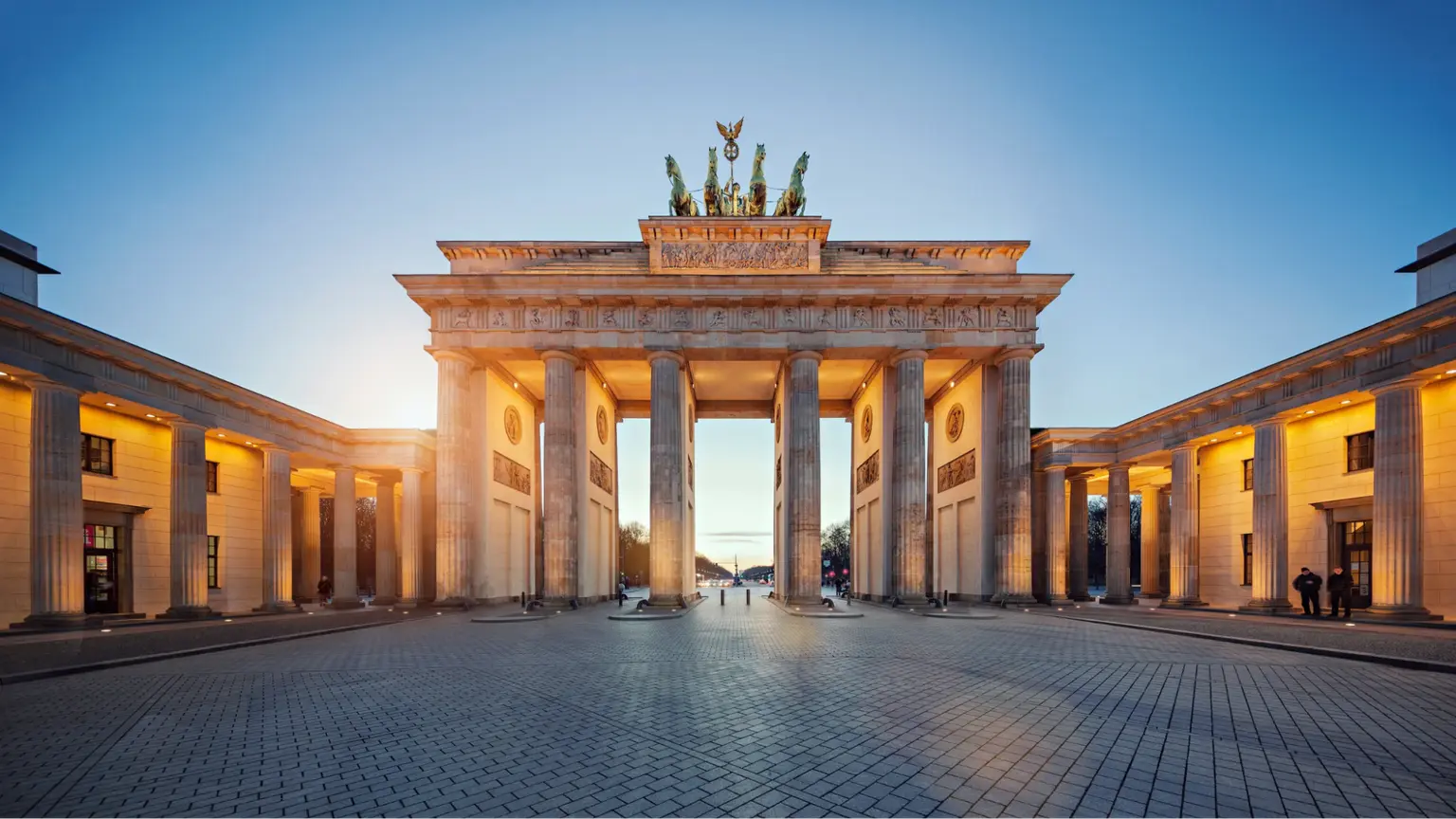
The Brandenburg Gate is one of Berlin's defining historic landmarks, and walking through it costs nothing. Located at Pariser Platz, it is the easiest place to begin a first-time sightseeing route through central Berlin.
Completed in the late 18th century, the neoclassical monument became deeply associated with Germany's division and reunification. During the Cold War, it stood near the border between East and West Berlin, becoming a powerful symbol of a city separated by political conflict.
The gate's position also makes it unusually convenient. The Reichstag is a short walk to the north, the Memorial to the Murdered Jews of Europe is nearby, and Unter den Linden extends eastward into the historic center.
Early morning is particularly good for travelers who want unobstructed views of the architecture. After dark, lighting provides another reason to return.
Admission: Free.
Getting there: S-Bahn or U5 to Brandenburger Tor.
Suggested time: 15–30 minutes.
The gate is accessible as a public landmark, although major public events can temporarily restrict access to the surrounding square.
The Memorial to the Murdered Jews of Europe is a free memorial near the Brandenburg Gate, dedicated to the Jewish victims of the Holocaust. It is one of the most important historical sites in Berlin and deserves a thoughtful visit rather than a brief photograph.
The outdoor Field of Stelae contains 2,711 concrete slabs arranged across an undulating site. Walking slowly through the passages produces changing perspectives as the slabs rise and fall around the visitor.
Beneath the memorial is a free Information Center exploring the persecution and murder of European Jews through historical documents, testimonies, and personal stories.
The outdoor memorial can be visited at any hour, while the Information Center has restricted opening times and security screening.
Practical details:
Access arrangements and holiday closures can differ from the ordinary schedule. Entry to the underground exhibition may involve waiting for security screening.
This is a place of remembrance, not a recreational installation. Visitors should avoid climbing on the slabs, running between them, or treating the memorial as a backdrop for inappropriate photographs.
Tiergarten is one of Berlin's largest and most accessible central parks, offering wooded paths, lawns, ponds, and quiet places to rest between historic landmarks. Entrance to the public park is free.
The park extends westward from the Brandenburg Gate area and provides a substantial contrast to the surrounding government buildings and busy streets.
Visitors can take a short walk beneath mature trees or spend much longer exploring the pathways. Several historic monuments and landscaped spaces appear throughout the park, including routes toward the Victory Column.
The Column itself is a separate paid attraction if visitors want to climb its observation platform. Walking around the exterior and enjoying the park does not require a ticket.
Admission: Free.
Suggested time: 45–90 minutes, or longer for a substantial park walk.
Best for: Picnics, relaxed sightseeing, families, and a break from museums.
Tiergarten is particularly useful after visiting the Reichstag and Brandenburg Gate. There is no need to schedule a separate journey across the city to enjoy a green space.
Futurium is a free museum near Berlin Central Station exploring how technology, society, and the environment might shape the future. It is an excellent indoor attraction for visitors who want something different from the city's history-focused museums.
The exhibitions address subjects such as artificial intelligence, sustainable cities, human relationships, and future ways of living. Interactive installations and the Futurium Lab encourage visitors to examine possible solutions rather than simply read information panels.
The building is also interesting for its contemporary architecture and position near the River Spree.
One particularly useful feature is the Skywalk, a rooftop walkway with views across central Berlin. Skywalk access is seasonal and weather-dependent, so it should not be assumed available on every visit, especially during colder months.
Practical details:
Futurium works especially well for families with older children, science enthusiasts, and travelers visiting on a rainy day.
Its proximity to Berlin Central Station also makes it a practical stop before catching a train.
Tränenpalast, often translated as the Palace of Tears, is a free museum at Friedrichstraße station that explores the human impact of Berlin's division. Many visitors walk past without realizing that the building once formed part of an important border crossing.
During the Cold War, the hall was used for departures from East Berlin to West Berlin. Painful separations between friends and family members gave the building its familiar nickname.
The permanent exhibition, Site of German Division, explains border procedures, surveillance, personal experiences, and everyday consequences of the divided city.
Original objects, documents, photographs, and personal accounts provide a more intimate perspective than large outdoor monuments.
Practical details:
Tränenpalast is a particularly worthwhile choice for travelers who want to understand the Berlin Wall beyond its surviving concrete sections.
It combines naturally with a walk along the Spree or a stop at nearby Friedrichstraße station.
Bebelplatz contains one of Berlin's most easily overlooked memorials: a glass-covered window in the pavement revealing an underground room lined with empty bookshelves. The memorial is free to view from the public square.
Created by artist Micha Ullman, the Empty Library commemorates the Nazi book burning that took place on the square on May 10, 1933.
The underground shelves are intentionally empty, creating a quiet and unsettling reminder of censorship and the destruction of intellectual freedom.
Many people walk across Bebelplatz while looking at the surrounding historic buildings without noticing the artwork beneath their feet.
Admission: Free.
Location: Bebelplatz, near Unter den Linden.
Suggested time: 15–30 minutes.
The memorial is visible through a glass panel in the pavement. Lighting, reflections, and temporary conditions can affect how clearly the underground room can be seen.
Bebelplatz is one of the strongest additions to a free Berlin walking route because it adds historical depth without requiring a detour or ticket.
Museum Island is worth visiting for its architecture and public spaces even when paid museum admission is outside the budget. The UNESCO-listed ensemble sits on an island in the River Spree and contains several major cultural institutions.
Visitors can walk around Museum Island, admire the historic buildings, and spend time in nearby Lustgarten without purchasing museum tickets.
The Altes Museum, Neues Museum, Alte Nationalgalerie, Bode Museum, and Pergamon Museum form the best-known part of the complex.
Most museum interiors require paid admission for adults, and access to individual buildings can be affected by major renovation projects. The Pergamon Museum is undergoing extensive renovation, with a phased reopening scheduled to begin in 2027.
The outdoor area still provides excellent views of Berlin Cathedral, the surrounding architecture, and the Spree.
Admission: Free to public outdoor areas; most museum exhibitions are paid.
Suggested time: 30–60 minutes.
Getting there: U5 Museumsinsel.
Museum Island works particularly well between Bebelplatz and the historic streets around Hackescher Markt.
The Humboldt Forum has several free exhibition spaces and publicly accessible areas, but its principal museum exhibitions are no longer universally free. This distinction matters for travelers following older Berlin budget guides.
The reconstructed palace complex stands at Schlossplatz, close to Museum Island. Visitors can explore its architecture and selected spaces without buying a standard exhibition ticket.
Free offerings include the Palace Cellar, Sculpture Hall, Insights: The Humboldt Brothers, and certain other displays.
However, the major Ethnological Collections, Asian Art exhibitions, and BERLIN GLOBAL follow separate ticketing rules.
Published standard admission is €9 per major exhibition category, with exceptions and discounts for eligible visitors.
Admission: Free for designated areas; tickets required for principal paid exhibitions.
Suggested time: 30–60 minutes for free spaces.
Location: Schlossplatz.
Do not confuse free entry to the building with free access to everything inside. The roof terrace also has separate admission arrangements.
Humboldt Forum is worth adding when already exploring Museum Island, particularly for visitors interested in architecture and Berlin's changing relationship with its historical buildings.
Hackesche Höfe is a collection of interconnected courtyards near Hackescher Markt, known for its Art Nouveau architecture, decorative facades, and small businesses. Walking through the publicly accessible passageways is free.
The complex was developed in the early 20th century and has become one of Berlin's most recognizable examples of courtyard architecture.
The first courtyard is particularly striking because of its colorful glazed-tile facade. Other courtyards contain shops, cafes, cultural spaces, and businesses that create a different atmosphere from the surrounding streets.
The appeal lies in slowing down and looking at the buildings rather than treating the entire complex as a shopping destination.
Admission: Free to accessible public courtyard areas.
Address: Rosenthaler Straße 40–41.
Suggested time: 20–40 minutes.
Individual businesses, exhibitions, or performances may charge admission, and courtyard access can vary outside normal opening periods.
Hackesche Höfe is an easy addition to a Museum Island visit and one of the better free photography stops in central Berlin.
Some of the most meaningful free things to do in Berlin involve understanding the city's 20th-century history. The Berlin Wall Memorial, former border crossings, and documentation centers provide considerably more context than a photograph beside a surviving section of concrete.
These sites are spread across several neighborhoods, so they are best visited in carefully chosen groups.
The Berlin Wall Memorial on Bernauer Straße is one of the most important free historical attractions in Berlin. It preserves traces of the former border and explains how the Wall divided streets, homes, communities, and individual lives.
The outdoor exhibition extends for approximately 1.4 kilometers (0.9 miles) along Bernauer Straße. Visitors encounter historical photographs, preserved structures, interpretive displays, and information about attempts to cross the border.
A particularly important section preserves elements of the border fortifications, helping visitors understand that the Berlin Wall was more than a single concrete barrier.
The Documentation Center provides further historical context, while its observation platform offers a perspective on the former border system.
Practical details:
Visitors can begin at the Visitor Center at Bernauer Straße 119 and continue through the memorial grounds. The Documentation Center is at Bernauer Straße 111.
For understanding how the Berlin Wall actually functioned, Bernauer Straße is more informative than Checkpoint Charlie alone.
It is especially worthwhile for travelers who want historical explanation rather than a short sightseeing stop.
The Museum in der Kulturbrauerei is a free museum in Prenzlauer Berg exploring everyday life in the former German Democratic Republic. It is one of Berlin's most useful less-obvious indoor attractions.
Its permanent exhibition, Everyday Life in the GDR, examines how people lived, worked, shopped, traveled, and spent their free time under East Germany's political system.
The exhibits include household objects, consumer products, photographs, and other material that helps explain ordinary life beyond major political events.
The museum is located within the Kulturbrauerei complex, a former brewery converted into cultural and commercial spaces.
Practical details:
Renovation work is affecting access to some parts of the permanent exhibition until early December 2026, although the museum remains open.
This museum works well after visiting the Berlin Wall Memorial. The combination connects the history of Germany's division with the routines of daily life.
Topography of Terror is one of Berlin's most substantial free historical exhibitions, located on the former site of central Nazi security and police institutions. It provides a detailed account of the systems responsible for persecution and mass murder during National Socialism.
The indoor exhibition uses historical photographs, documents, and explanatory material to examine the Gestapo, SS, and Reich Security Main Office.
Outside, surviving archaeological traces and a section of the Berlin Wall connect different periods of German history within the same area.
The material is serious and often disturbing. Visitors should allow enough time to engage with the exhibits rather than treating the site as a quick stop between other attractions.
Practical details:
The documentation center also offers audio guidance in multiple languages.
It is an excellent rainy-day option, particularly for adults and older teenagers with an interest in history. The institution generally recommends the main exhibition for visitors over 14, with younger children accompanied by parents.
Checkpoint Charlie is a former crossing point between East and West Berlin, and the street-level landmark can be visited free of charge. The famous guardhouse reconstruction and surrounding public displays are accessible from the street.
The checkpoint became an internationally recognizable Cold War location, including during the Berlin Crisis of 1961.
Visitors can see the familiar border-crossing imagery and explore the surrounding streets without purchasing a tour or museum ticket.
However, the experience is less historically complete than the exhibitions at Bernauer Straße or Tränenpalast. The modern location is surrounded by traffic, businesses, and commercial sightseeing activity.
Admission: Free for the public street-level sights.
Location: Friedrichstraße and Zimmerstraße.
Suggested time: 15–25 minutes.
Important: The nearby Wall Museum, also known as Mauermuseum, charges admission.
Checkpoint Charlie is best included while walking between Topography of Terror and other central attractions. It rarely justifies a lengthy detour for budget travelers focused on historical depth.
The Jewish Museum Berlin offers free admission to its core exhibition and several spaces within its striking Daniel Libeskind-designed building. It is one of the strongest free indoor cultural experiences in the city.
The core exhibition explores Jewish life in Germany across different historical periods, combining everyday culture, religion, personal stories, and the consequences of persecution.
The building itself is an important part of the experience. Its angular architecture, voids, and carefully designed spaces contribute to the museum's interpretation of Jewish history and memory.
The core exhibition is free, but temporary exhibitions may require a paid ticket. Standard adult admission to certain temporary exhibitions is €10, while visitors under 18 qualify for free admission under the museum's rules.
Practical details:
Visitors can obtain admission tickets through the museum's ticketing system or at the counter, subject to availability. Groups have separate reservation requirements.
This is a better choice for a substantial indoor visit than attempting to fit several large exhibitions into the same afternoon.
Berlin's free attractions also include open-air art, repurposed infrastructure, residential neighborhoods, and parks with strong local character. These places reveal a side of the city that is less formal than its historic monuments and national museums.
They are particularly appealing for travelers who prefer walking, photography, and exploring everyday urban spaces.
The East Side Gallery is one of the best-known free things to do in Berlin, combining surviving sections of the Berlin Wall with large-scale public artworks. It stretches approximately 1.3 kilometers along Mühlenstraße in Friedrichshain.
Artists from around the world painted the surviving Wall after the political changes of 1989–1990. Their works address freedom, political transformation, memory, and the hopes associated with German reunification.
Some murals have become internationally recognizable, but the value of the East Side Gallery extends beyond its most photographed images.
Walking the full length allows visitors to see a variety of artistic styles and messages. Interpretive material also provides context for the artworks and the history of the site.
You may also be interested in our article: 23 Free and Cheap Things to Do in Berlin That Make Every Euro Count
Admission: Free.
Location: Mühlenstraße, between Ostbahnhof and the Oberbaum Bridge area.
Suggested time: 45–75 minutes.
Best time: Early morning for fewer crowds.
The gallery is outdoors and can be visited without tickets. Respect the artworks and avoid adding graffiti or touching painted surfaces.
The Oberbaum Bridge is one of Berlin's most distinctive bridges, connecting Friedrichshain and Kreuzberg across the River Spree. Walking across it costs nothing and provides views of the river, surrounding neighborhoods, and passing trains.
Its red-brick towers and upper-level railway make the bridge visually distinctive. It is also associated with the city's formerly divided geography.
The bridge is especially appealing for photography when trains cross above the road and pedestrian level.
Admission: Free.
Location: Between Warschauer Straße and Schlesisches Tor.
Suggested time: 15–30 minutes.
Best for: Architecture, river photography, and neighborhood walks.
The bridge pairs naturally with the East Side Gallery. Continue across the river into Kreuzberg rather than traveling to it as a separate attraction.
Tempelhofer Feld is one of Berlin's most unusual free attractions: an enormous former airport where visitors can walk, cycle, skate, or relax on old runways. The open space offers a dramatically different experience from the city's historic center.
The former Tempelhof Airport closed to commercial flights in 2008. Its airfield subsequently became a public park, preserving the wide runways and unusually open urban landscape.
Visitors use the space for picnics, cycling, skating, kite flying, and other recreational activities. The surrounding grasslands also provide important habitat, so some areas are protected or subject to access restrictions.
Admission: Free.
Suggested time: 60–120 minutes.
Getting there: U8 Boddinstraße, U6 Paradestraße, or nearby stations, depending on the entrance.
Important: Tempelhofer Feld is not open 24 hours. Gates operate according to seasonal opening times.
During winter, the field closes earlier than in summer. The open airfield can also be exposed to wind and provides relatively little shelter from bad weather.
Renting recreational equipment or taking a guided tour costs extra, but simply enjoying the former runways is free.
URBAN NATION is a free museum in Schöneberg dedicated to street art, graffiti, and urban contemporary art. It offers a chance to explore this art form indoors rather than relying entirely on outdoor murals.
The museum presents changing exhibitions and works by artists associated with urban art movements. The building's exterior and surrounding area also contribute to the experience.
Unlike many major Berlin museums, general admission is free, although donations are welcome.
Practical details:
For travelers interested in art but unwilling to spend a large amount on gallery admissions, URBAN NATION is one of the strongest options.
Combine it with another Schöneberg attraction rather than traveling across Berlin solely for a short visit.
Viktoriapark in Kreuzberg offers one of Berlin's most accessible free elevated viewpoints. The park rises around the National Monument for the Liberation Wars, providing views over surrounding rooftops toward the city skyline.
Paths lead uphill through landscaped green space, and a waterfall operates seasonally depending on maintenance and conditions.
The park is less monumental than Tiergarten and feels more closely connected to its surrounding residential neighborhood.
Admission: Free.
Location: Around Kreuzbergstraße and the National Monument.
Suggested time: 30–60 minutes.
Best for: A quiet viewpoint, short walks, and a break from busy streets.
The climb involves slopes and steps in some sections, so visitors with mobility limitations should choose their route carefully.
The viewpoint is particularly rewarding in clear weather, although surrounding trees and structures influence what can be seen.
Treptower Park is a large riverside park in southeastern Berlin, offering shaded walking paths, open lawns, and access to one of the city's most significant Soviet memorials.
The Soviet War Memorial commemorates Soviet soldiers who died during the Second World War. Its monumental design and scale make it a striking historic site, while the surrounding park provides a quieter recreational setting.
Treptower Park also extends along the River Spree, with paths that are suitable for a relaxed afternoon walk.
Admission: Free.
Getting there: S-Bahn to Treptower Park.
Suggested time: 60–90 minutes.
Best for: Riverside walking, historical architecture, and spacious green areas.
Treat the memorial as a place of remembrance and observe its setting respectfully.
Treptower Park is more practical for travelers with several days in Berlin than those trying to complete the main central landmarks in a single afternoon.
Mauerpark is a popular public park in Prenzlauer Berg, known for its relaxed atmosphere, public performances, and busy Sunday flea market. Admission to the park itself is free.
The park occupies land connected with the former border area between East and West Berlin. Its modern identity is associated with informal recreation, music, and community gatherings.
On Sundays, the flea market attracts visitors browsing secondhand clothing, antiques, vintage objects, artwork, and food stalls. Browsing is free, but purchases are not.
Mauerpark also has a well-known outdoor karaoke tradition, although performances are weather-dependent and should not be assumed to take place on every Sunday.
Admission: Free.
Suggested time: 45–90 minutes.
Best time: Sunday for the busiest atmosphere; weekdays for a quieter walk.
This is one of the best free places to experience contemporary Berlin beyond major monuments.
The park is particularly convenient when combined with the Museum in der Kulturbrauerei or the Berlin Wall Memorial.
Berlin's Philharmonie offers free lunchtime concerts on selected Wednesdays during its regular season. For music lovers, this is one of the most valuable free cultural experiences in the city.
The concerts generally take place at 1 p.m. on Wednesdays from September through June, with performances lasting approximately 40–50 minutes.
Programs may feature chamber music, piano, percussion, or other small ensembles. Performers can include members of the Berliner Philharmoniker, its Karajan Academy, and guest musicians.
Admission is free, but capacity is limited and seats cannot be reserved through the ordinary lunch-concert process.
Practical details:
Visitors receive an admission chip at the entrance while capacity remains. Once the permitted audience has been admitted, further entry is not available.
The concerts are generally standing events, although limited seating arrangements are available for eligible visitors with disabilities.
This is an excellent cultural alternative to paid concerts, but it requires more schedule planning than an outdoor attraction.
The best permanently free museums in Berlin include Futurium, Topography of Terror, Tränenpalast, Museum in der Kulturbrauerei, URBAN NATION, and the Jewish Museum's core exhibition. Each covers a different subject, making the choice more about interests than admission price.
For visitors with limited time, the following comparison helps select one or two without spending an entire day moving between museums.
|
Museum |
Main subject |
Normally closed |
Suggested visit |
|
Futurium |
Science, technology, future societies |
Tuesday |
60–90 min |
|
Topography of Terror |
Nazi institutions and persecution |
Selected holidays |
60–120 min |
|
Tränenpalast |
Cold War border crossings |
Monday |
45–60 min |
|
Museum in der Kulturbrauerei |
Everyday life in East Germany |
Monday |
45–75 min |
|
URBAN NATION |
Street art and contemporary urban culture |
Monday |
45–75 min |
|
Jewish Museum Berlin core exhibition |
Jewish history and culture |
Monday |
90–120 min |
|
Berlin Wall Memorial Documentation Center |
Berlin's division |
Monday |
45–75 min |
These museums offer substantially different experiences. Someone interested in everyday history might combine Tränenpalast and the Kulturbrauerei museum, while art enthusiasts may prefer URBAN NATION.
For a rainy day, Futurium and the Jewish Museum are particularly good choices when there is enough time for an extended indoor visit.
Not as a general citywide program anymore. Berlin's Museum Sunday initiative, which previously offered free admission to approximately 60 participating museums on the first Sunday of the month, held its final event on December 1, 2024.
The official city information states that no further dates are currently planned.
Some museums still offer permanently free admission, while individual institutions may run separate promotions or special free-access events.
Do not plan a budget trip around automatic first-Sunday admission to Berlin's major museums.
The difference matters at Museum Island, where many important collections normally require tickets for adult visitors.
No. The Pergamon Museum is not a generally free attraction, and its main building is undergoing major renovation. A phased reopening is planned beginning in 2027, but construction and exhibition arrangements should be checked before a visit.
Walking around Museum Island costs nothing, but entry to the major museum collections follows separate admission rules.
Travelers interested in seeing the architecture can still enjoy the surrounding outdoor spaces without paying.
Yes, many major publicly funded Berlin museums provide free admission to children and teenagers, although age limits and ticketing rules vary.
For example, children and young people under 18 generally receive free admission to the Staatliche Museen zu Berlin collections, subject to the relevant conditions. The Jewish Museum Berlin also offers free admission to visitors under 18, including exhibitions that cost adults money.
Free admission does not always mean visitors can enter without obtaining a ticket or selecting a time slot.
Check the individual institution's age policy and any documentation requirements before arriving.
The best one-day free Berlin itinerary concentrates on Mitte and the nearby historic center, combining famous landmarks with one substantial museum. This avoids spending a large part of the day on transportation between distant neighborhoods.
The following route works best when the Reichstag dome reservation is available in the morning and the indoor attractions are open.
A comfortable plan is:
This is a relatively full day with substantial walking and museum time. Expect approximately 7–9 kilometers (4–5.5 miles) of walking, depending on the precise route and detours.
If the Reichstag reservation is later in the day, reverse the order of nearby stops rather than traveling across Berlin twice.
Travelers preferring a slower pace can skip Checkpoint Charlie and the Museum Island segment. The Reichstag, Holocaust Memorial, and Topography of Terror already provide a meaningful day's sightseeing.
Two days allow visitors to explore Berlin's history and contemporary neighborhoods without forcing distant attractions into the same schedule. The most effective approach is to keep the first day around the central landmarks and use the second day for the Berlin Wall, street art, or parks.
Spend the first day around the Reichstag, Brandenburg Gate, Holocaust Memorial, and the historic center.
A useful route begins with a reserved Reichstag visit, followed by the Brandenburg Gate and the Holocaust Memorial. Continue toward Bebelplatz and Museum Island, allowing time for either Tränenpalast or the free areas of Humboldt Forum.
This schedule gives visitors a mix of architecture, remembrance, and indoor cultural exhibitions without requiring admission fees.
The exact order depends on the Reichstag reservation and museum hours.
The second day can focus on Berlin's division and the contemporary culture that developed around its former border areas.
Begin at the Berlin Wall Memorial on Bernauer Straße, allowing enough time for the outdoor exhibition and Documentation Center.
Continue toward the Museum in der Kulturbrauerei for an introduction to everyday life in East Germany. A lunch break in Prenzlauer Berg makes sense before traveling to Friedrichshain.
In the afternoon, walk the East Side Gallery and cross the Oberbaum Bridge toward Kreuzberg.
These locations are not all next to one another, so at least one public transportation journey is practical. The day is still manageable because each cluster offers several attractions within walking distance.
Travelers more interested in parks can replace the afternoon Wall art walk with Tempelhofer Feld or Treptower Park. Trying to include both large parks in addition to museums would make the day unnecessarily rushed.
Walking is the cheapest way to explore Berlin's central sights, but public transportation is useful for reaching attractions in Kreuzberg, Schöneberg, Friedrichshain, and Tempelhof. Most major locations fall within Berlin fare zones A and B.
For 2026, the standard adult Berlin AB fare is €4 for a single journey. A 24-hour AB ticket costs €11.20, providing unlimited eligible journeys during its validity period.
A single ticket permits travel in the applicable direction for up to two hours, including transfers. It does not allow arbitrary return or round trips on the same ticket.
A 24-hour AB ticket is often economical when planning at least three separate single-ticket journeys in one day. Two ordinary single journeys cost €8, while three would cost €12, slightly more than the 24-hour ticket.
The following figures use standard adult 2026 fares.
|
Ticket |
Berlin AB price |
When it makes sense |
|
Single ticket |
€4 |
One journey with allowed transfers |
|
Short-trip ticket |
€2.80 |
Qualifying short journeys |
|
Four-trip ticket |
€12.40 |
Four separate journeys at a lower total price |
|
24-hour ticket |
€11.20 |
Multiple journeys within 24 hours |
|
24-hour small-group ticket |
From €35.30 |
Up to five eligible travelers |
Short-trip tickets have restrictions on the number of stops and transfers, so they are not interchangeable with standard single tickets.
A traveler using only the central walking route may not need a day pass at all. Someone visiting Tempelhofer Feld, the East Side Gallery, and Schöneberg in one day will usually benefit more from unlimited travel.
Berlin Brandenburg Airport is in fare zone C, so an ordinary Berlin AB ticket does not cover the full journey to or from the airport.
Save attractions by neighborhood and use public transportation only for longer connections. A geographically organized itinerary is more useful than collecting a long list of places scattered across the city.
Offline maps can help reduce unnecessary travel and keep routes accessible when mobile reception is poor. The best travel apps for navigation and trip planning include tools for organizing sightseeing stops and using offline directions.
For visitors staying several days, divide Berlin into walking areas rather than starting each morning with a journey to the opposite side of the city.
The best free rainy-day activities in Berlin are museums with permanent free admission, including Futurium, Topography of Terror, Tränenpalast, URBAN NATION, and the Jewish Museum's core exhibition. These provide enough indoor material for a substantial part of the day.
A practical rainy-day schedule should still consider museum opening days. Several institutions close on Mondays, while Futurium normally closes on Tuesdays.
The easiest choices are:
All these attractions have free general or designated permanent-exhibition access as described earlier.
The most important distinction for rainy days is not simply whether a museum is indoors. It is whether the specific exhibition that interests the visitor is included in free admission.
Berlin offers several free family-friendly attractions, particularly parks, interactive museums, and outdoor art locations. The best choices depend on the children's ages and interest in history.
Futurium is one of the strongest indoor options because its exhibits encourage curiosity and interaction. Tiergarten and Tempelhofer Feld provide space for outdoor activities, while the East Side Gallery offers colorful public art.
Families with younger children may prefer shorter visits to complex historical exhibitions.
A useful combination is Futurium followed by Tiergarten or a nearby riverside walk. This balances an indoor activity with time outside.
Older children and teenagers may find the Berlin Wall Memorial particularly valuable when its exhibits are discussed in an age-appropriate way.
The Topography of Terror and certain Holocaust-related exhibitions contain distressing historical material. Parents should review suitability rather than treating every free museum as a general family attraction.
Berlin's free museums and central historical landmarks remain worthwhile during winter, although short daylight hours and colder weather make long outdoor itineraries less comfortable. The best winter plan alternates between indoor exhibits and shorter walks.
The Reichstag dome is especially appealing when the skies are clear, but advance registration and maintenance closures still matter.
The Berlin Wall Memorial, Brandenburg Gate, and Holocaust Memorial are accessible outdoors during winter. Warm clothing and waterproof footwear are important because visitors may spend significant time standing outside.
Tempelhofer Feld operates shorter seasonal hours, while the Futurium Skywalk may be closed during winter or unsuitable weather.
For budget travelers visiting Germany during the colder months, the free Berlin museums provide a useful alternative to expensive indoor attractions.
A broader European city-break itinerary can also combine Berlin with the free attractions and historic neighborhoods of Prague. The two cities offer different architectural and cultural experiences, making them complementary rather than interchangeable.
Some popular Berlin attractions charge admission even though their buildings, squares, or surrounding spaces are free to access. Older travel guides can also contain outdated information about museum promotions.
These distinctions help avoid unexpected expenses:
|
Attraction |
Free access |
Paid access or limitation |
|
Reichstag |
Dome and roof terrace with registration |
Restaurant purchases and other separate services |
|
Museum Island |
Public grounds and exterior views |
Most museum interiors |
|
Humboldt Forum |
Selected displays and public spaces |
Major exhibitions and roof terrace |
|
Checkpoint Charlie |
Street-level landmark |
Mauermuseum |
|
Victory Column |
Exterior and surrounding park |
Observation platform |
|
Berlin TV Tower |
Views from surrounding public areas |
Tower observation decks |
|
Pergamon Museum |
Exterior surroundings |
Museum access subject to renovations and ticketing |
|
Teufelsberg |
Surrounding public walking areas where accessible |
Former listening station complex |
|
Tempelhofer Feld |
Public park and former runways |
Special guided experiences or rentals |
|
Philharmonie |
Scheduled lunch concerts |
Ordinary ticketed performances |
The main lesson is simple: a free public square does not make every building or attraction within it free.
For visitors whose interests are mainly outdoors, Berlin still provides enough worthwhile locations to fill several days without paying for conventional sightseeing tickets.
Free attractions have the greatest financial benefit when combined with sensible transportation, food, and accommodation choices. A day without museum tickets can still become expensive if every meal and journey is purchased impulsively.
For a lower-cost Berlin visit, choose accommodations with convenient public transportation rather than automatically selecting the most central hotel. Compare the full accommodation cost with the price and time of additional daily journeys.
Supermarkets, bakeries, and inexpensive casual eateries provide alternatives to restaurant meals near famous landmarks. Carrying a reusable water bottle and planning a lunch break can also reduce unnecessary purchases.
Avoid automatically buying sightseeing passes that offer discounts primarily on attractions that are not part of the itinerary. If the planned activities are free, paying for a discount pass may provide little benefit.
Travelers comparing European capitals on a limited budget can also explore free and low-cost attractions in Athens. As with Berlin, the useful distinction is between public landmarks and paid interiors, rather than assuming every major sight requires a ticket.
The most frequent mistakes are assuming a free attraction needs no reservation, relying on discontinued museum promotions, and underestimating the distances between neighborhoods. Berlin rewards organized sightseeing more than an attempt to visit every landmark in one continuous walk.
Several problems are easy to avoid:
The best solution is to select a few high-priority experiences and organize the rest around geography, opening hours, and personal interests.
Berlin has numerous free attractions, but museum rules, reservations, and transport costs can affect how easy they are to visit. These answers cover common questions about sightseeing without admission fees.
The Reichstag dome, Brandenburg Gate, Berlin Wall Memorial, East Side Gallery, Topography of Terror, and Tempelhofer Feld are among the strongest free experiences. Several museums also provide free permanent exhibitions.
Yes. The Reichstag dome and roof terrace are free, but visitors must register in advance and provide the required identification information. Admission can also be affected by maintenance or parliamentary arrangements.
Yes. Walking through the Brandenburg Gate and exploring Pariser Platz is free. Temporary restrictions can apply during major events.
Yes. The East Side Gallery and Berlin Wall Memorial have free outdoor access. The Berlin Wall Memorial also offers free indoor exhibitions during published opening hours.
Futurium, Topography of Terror, Tränenpalast, Museum in der Kulturbrauerei, and URBAN NATION offer free general admission during their operating hours. The Jewish Museum's core exhibition is also free.
Some museums are free every day they operate, including Sundays. However, Berlin's former citywide Museum Sunday program ended in December 2024, so most paid museums no longer offer automatic first-Sunday free admission through that initiative.
Yes. The outdoor Field of Stelae is freely accessible at all hours, and the underground Information Center has free admission during its scheduled opening times.
Yes. The approximately 1.3-kilometer outdoor artwork section of the Berlin Wall is free to visit. No sightseeing ticket is needed to walk alongside the murals.
Yes. The public outdoor areas and views of the historic museum buildings are free. Most museum interiors require tickets for adults.
Yes. The Reichstag dome provides panoramic views with free registration, while Viktoriapark and several bridges offer outdoor viewpoints without admission. The Futurium Skywalk is also free when open.
Families can visit Tiergarten, Tempelhofer Feld, Futurium, Mauerpark, and the East Side Gallery. Activities should be selected according to children's ages, mobility needs, and interests.
Visit Topography of Terror, Futurium, Tränenpalast, URBAN NATION, or the Jewish Museum's free core exhibition. Check opening days and any special closures before traveling.
Yes. Entry to the former airport park is free, but opening hours vary by season and the gates close in the evening.
Yes. A day can include the Brandenburg Gate, Holocaust Memorial, Topography of Terror, and Museum Island's outdoor areas without admission fees. Add the Reichstag dome when a free reservation is available.
The standard adult Berlin AB single ticket costs €4 in 2026, and a 24-hour ticket costs €11.20. Many central attractions can be combined on foot to reduce transportation expenses.
Some walking tours have no mandatory upfront ticket price but operate on a tip-based model. Confirm the organizer's terms, meeting location, and expected gratuity arrangements before joining.






Morocco's food changes from the medinas of Fes to Marrakech's slow-cooked meat kitchens and the Atlantic coast's seafood stalls. These 17 dishes reveal what to order in each region, how much to budget, and which traditional spe...
 November 5, 2026
 1
A beautiful hotel can still be the wrong place to stay in San Francisco. These 15 boutique hotels offer everything from quiet Pacific Heights luxury to waterfront views and lively downtown escapes. Compare locations, prices, fe...
November 5, 20260
A valid prescription does not guarantee that a medication can cross every border. Learn which medicines face restrictions, how much you can carry, what documents to prepare, and how rules differ for Japan, the UK, the US, Singa...
November 4, 20260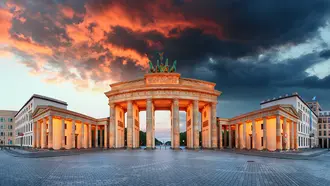
Berlin's best experiences don't have to come with expensive tickets. Explore 23 free and budget-friendly attractions, from the Reichstag dome and Berlin Wall to street art, hidden courtyards, and local parks - plus realistic da...
November 4, 20260Berlin's best experiences don't have to come with expensive tickets. Explore 23 free and budget-friendly attractions, from the Reichstag dome and Berlin Wall to street art, hidden courtyards, and local parks - plus realistic da...
November 4, 20260
As the sun sets over Dubai, dates and water appear on tables, families gather, and the evening call to prayer marks the end of the daily fast. Tourists can share this tradition without being Muslim or fasting. Here's how to fin...
November 3, 20261
January in Dubai can mean comfortable all-day sightseeing and surprisingly cool swimming water. By April, the sea feels warmer, but midday heat can change your plans. Discover when to visit for beaches, desert adventures, famil...
November 1, 20260
Amsterdam's canals become an open-air light art exhibition from November 26 to January 17. Discover how to see the installations for free, when a paid walking map makes sense, which boat cruise to choose, and how to plan a comf...
October 31, 20261
Just 35 minutes from Seattle, Bainbridge Island offers more than waterfront shops and ferry views. Explore 13 worthwhile stops, including free museums, quiet forest trails, gardens, and beaches, with practical itineraries for t...
October 30, 20260
Copenhagen has more to offer than colorful harbor houses and famous landmarks. This guide shows which attractions deserve your time, what they cost, and how to explore the city in one, two, or three days without unnecessary det...
October 29, 20260
The Canary Islands stay pleasantly warm in November, but choosing the wrong coast can mean clouds instead of beach weather. Compare all seven main islands, discover where swimming and hiking are best, and find the right resort,...
October 28, 20260
Vienna's Christmas markets begin opening November 6, 2026, but not every market deserves equal time. Compare palace settings, traditional craft stalls, family activities, quieter neighborhoods, and costs, then plan a route that...
October 27, 20261
Athens does not have to be an expensive sightseeing city. Many of its best views, ancient landmarks, neighborhoods and local experiences are completely free. Here are 25 things to do in Athens for free or very little, plus a wa...
October 10, 202664
Budapest can swallow a weekend if every famous sight becomes a separate mission. These 25 things to do combine thermal baths, Danube views, grand architecture, food and neighbourhoods into a route that leaves time to enjoy the ...
October 10, 202693
Looking to shine a spotlight on your project? LitiTravels has you covered! We offer article-based promotion, manage branded blogs on our platform, drive engagement through our social media channels, and create content that delivers real results. Get in touch today and let’s make your brand stand out!
The best travel guides, trip planning tips and cultural discoveries from the LitiTravels team — once a month, straight to your inbox.